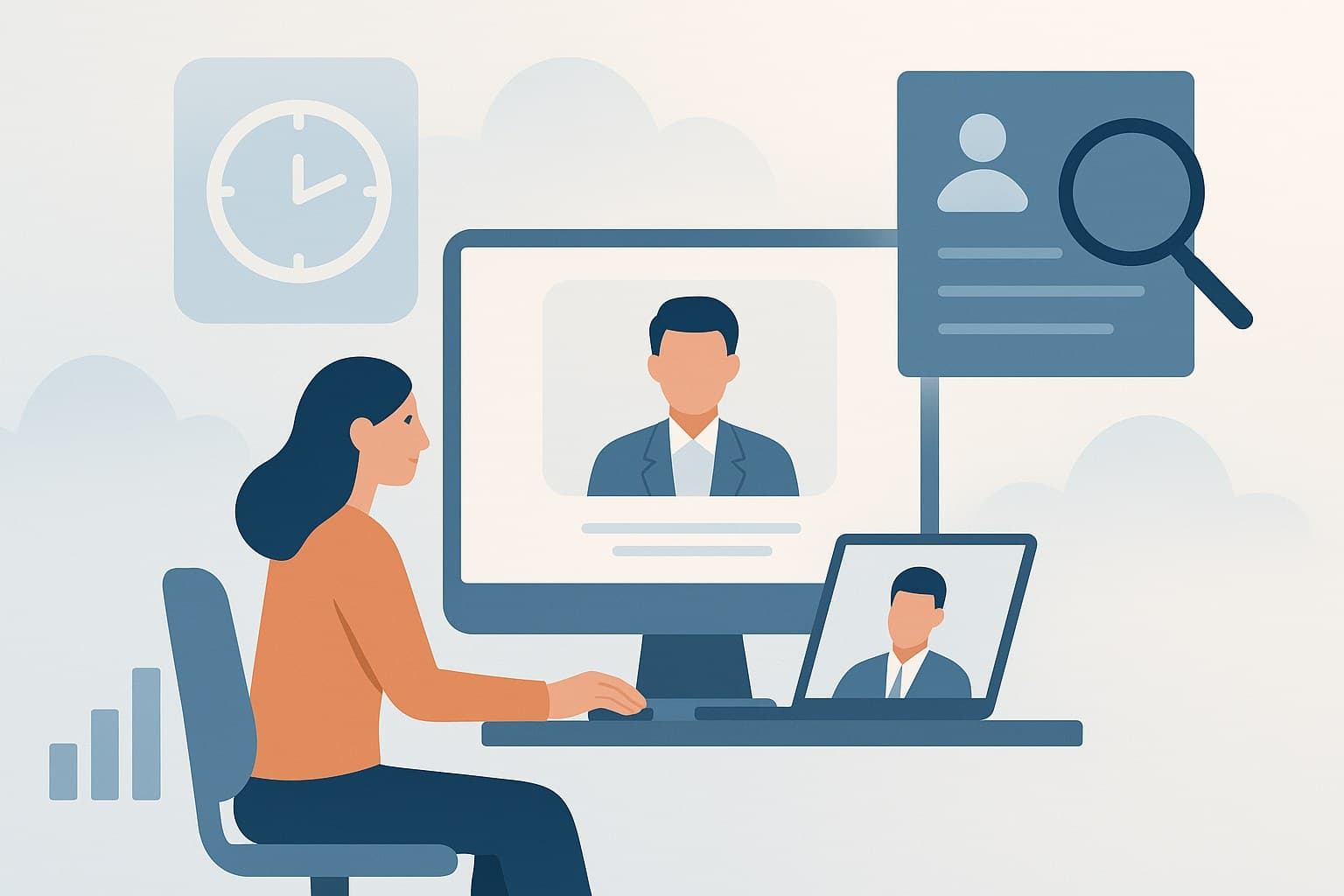
Optimizing Recruitment: A Tiered Hiring Funnel with AI
In today’s fast-paced and competitive business environment, companies are constantly on the lookout for ways to streamline their operations and make more informed decisions. One area that has seen significant transformation with the advent of artificial intelligence (AI) is recruitment. By integrating a tiered hiring funnel with AI, organizations can enhance their recruitment processes, ensuring they attract, assess, and hire the best talent efficiently. This article delves into the concept of a tiered hiring funnel, the role of AI within it, and the benefits it offers to business decision-makers and HR leaders.
Understanding the Tiered Hiring Funnel
A tiered hiring funnel is a structured approach to recruitment that breaks down the hiring process into distinct stages. Each stage serves as a filter, narrowing down candidates until the most suitable ones remain. Typically, these stages include sourcing, screening, interviewing, evaluating, and finally, hiring. By organizing the recruitment process into these stages, companies can systematically manage and assess a large pool of applicants.
The Role of AI in the Hiring Funnel
AI technologies can be integrated at various stages of the hiring funnel to automate tasks, improve decision-making, and enhance the candidate experience. Here’s how AI can be leveraged at each tier:
-
Sourcing: AI-powered tools can scour the internet, including job boards, social media, and professional networks, to identify potential candidates based on predefined criteria. These tools can analyze candidates’ profiles and predict their suitability for open positions, thereby expanding the talent pool and saving time for recruiters.
-
Screening: Once a pool of candidates has been sourced, AI can assist in the initial screening process. Natural language processing (NLP) algorithms can analyze resumes and cover letters to identify relevant skills, experiences, and qualifications. AI can also eliminate bias by focusing solely on data-driven insights rather than subjective judgments.
-
Interviewing: AI-driven chatbots can conduct preliminary interviews, asking candidates standardized questions and evaluating their responses. This not only speeds up the process but also ensures a consistent and fair assessment of all candidates. AI can also analyze video interviews, assessing factors such as language use, tone, and facial expressions to gauge candidate suitability.
-
Evaluating: AI can help in evaluating candidates by analyzing data from assessments, interviews, and previous job performances. Machine learning algorithms can predict a candidate’s potential for success within the organization, allowing HR teams to make more informed decisions.
-
Hiring: In the final stage, AI can assist in drafting offers and contracts, ensuring that terms are competitive and aligned with industry standards. AI tools can also facilitate a smooth onboarding process by providing new hires with personalized training and resources.
Benefits of a Tiered Hiring Funnel with AI
For business decision-makers and HR leaders, integrating AI into a tiered hiring funnel offers several compelling benefits:
-
Efficiency and Speed: AI automates repetitive and time-consuming tasks, freeing up HR professionals to focus on strategic initiatives. This results in a faster hiring process, reducing the time-to-fill metric and ensuring that top talent is not lost to competitors.
-
Improved Candidate Quality: By leveraging AI’s data-driven insights, organizations can enhance the accuracy of their candidate assessments. This leads to higher-quality hires who are more likely to succeed and thrive within the company.
-
Reduced Bias: AI can help mitigate unconscious bias by focusing on objective data rather than subjective opinions. This leads to a more diverse and inclusive workforce, which has been shown to drive innovation and business success.
-
Cost Savings: While there is an initial investment in AI technology, the long-term cost savings are significant. By improving efficiency and reducing turnover, companies can lower their recruitment and training expenses.
-
Enhanced Candidate Experience: AI can personalize and streamline the candidate journey, from application to onboarding. This positive experience can enhance the company’s employer brand and attract more high-caliber candidates.
Challenges and Considerations
While the benefits of integrating AI into a tiered hiring funnel are substantial, there are challenges and considerations that companies must address:
-
Data Privacy: With the increased use of AI and data analytics, ensuring candidate data privacy and compliance with regulations such as GDPR is paramount.
-
Quality of AI Algorithms: The effectiveness of AI tools depends on the quality of the algorithms and the data they are trained on. Organizations must continuously monitor and update their AI systems to ensure accuracy and fairness.
-
Human Oversight: While AI can provide valuable insights, human oversight remains crucial. HR professionals should interpret AI recommendations and incorporate human judgment to make final decisions.
-
Change Management: Implementing AI solutions requires a cultural shift and change management strategy. HR teams must be trained to work alongside AI tools and adapt to new processes.
Conclusion
The integration of AI into a tiered hiring funnel represents a significant advancement in recruitment strategies. For business decision-makers and HR leaders, this approach offers a competitive edge by enhancing efficiency, improving candidate quality, and reducing bias. However, to fully realize these benefits, organizations must address challenges related to data privacy, algorithm quality, and change management. By carefully navigating these considerations, companies can harness the power of AI to transform their recruitment processes and secure the talent needed to drive future success.
Frequently Asked Questions
Key questions often raised by business leaders and HR teams:
What is a tiered hiring funnel?
A tiered hiring funnel is a structured recruitment approach that breaks down the hiring process into distinct stages, filtering candidates until the best fit remains.
How does AI improve the hiring process?
AI enhances the hiring process by automating tasks, improving decision-making, and providing data-driven insights to assess candidate suitability.
What are the benefits of using AI in recruitment?
Benefits include increased efficiency, improved candidate quality, reduced bias, cost savings, and enhanced candidate experience throughout the hiring journey.
What challenges come with integrating AI in recruitment?
Challenges include data privacy concerns, the quality of AI algorithms, the need for human oversight, and managing cultural shifts within the organization.