
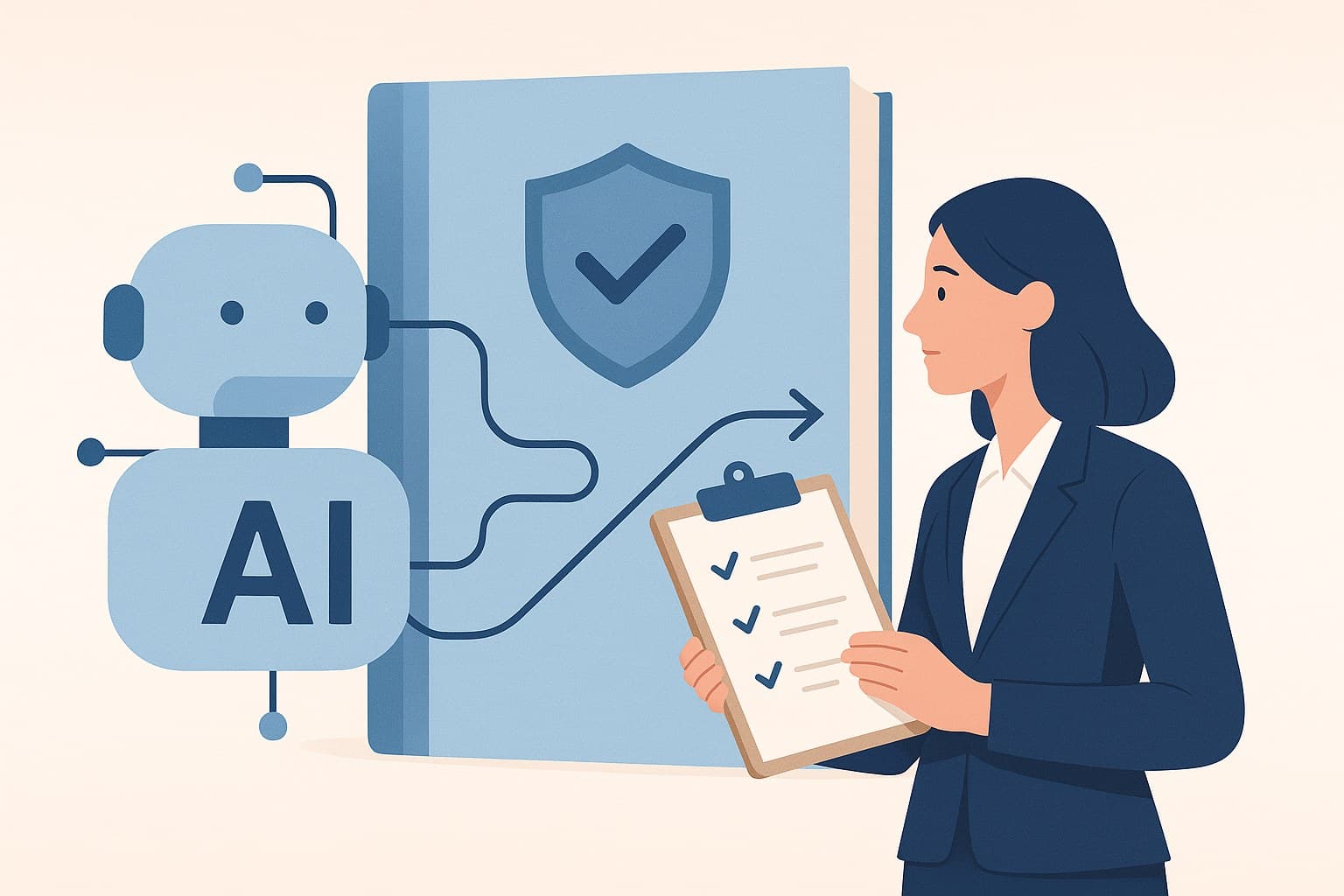
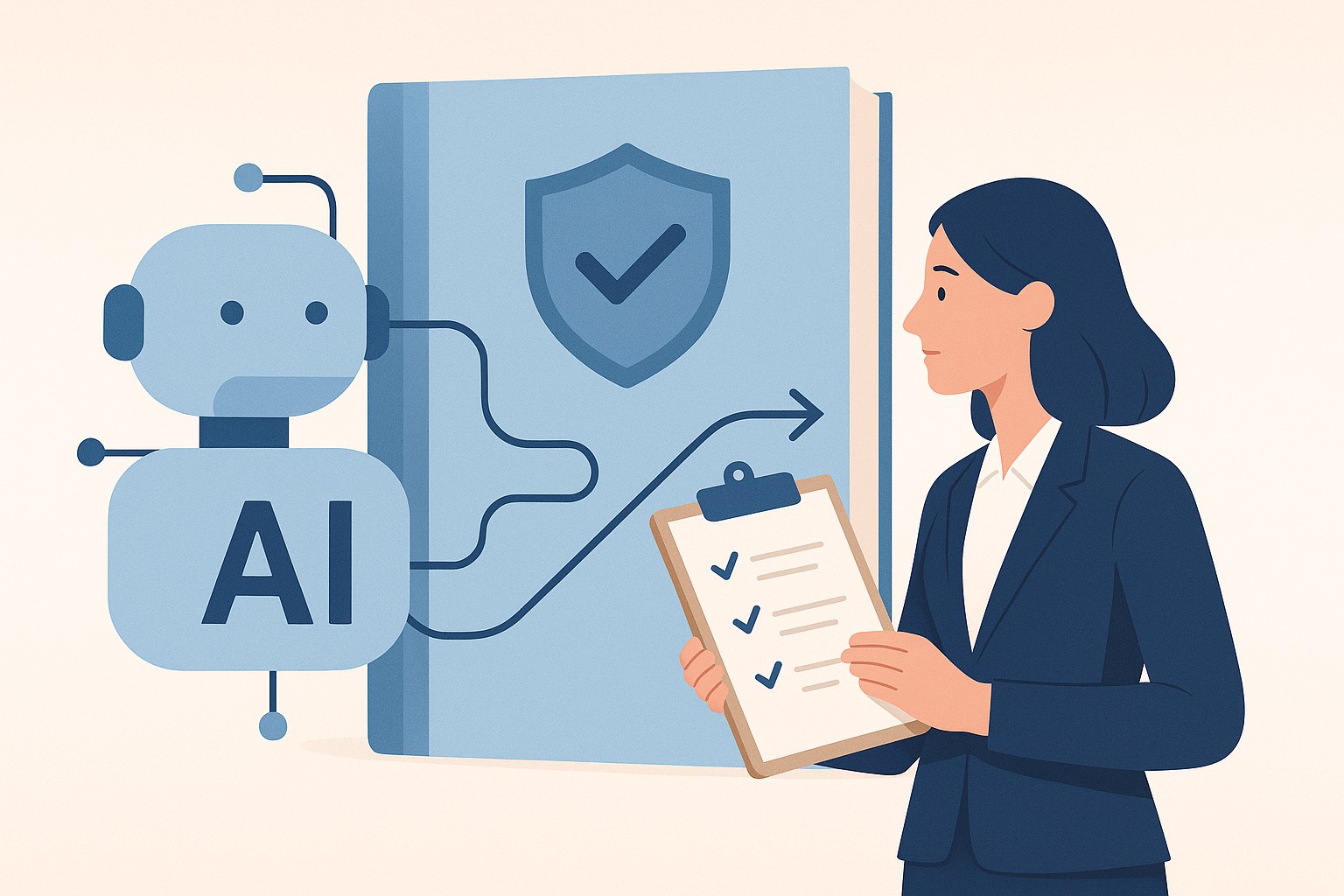
Many talent teams hesitate to adopt AI screening for one practical reason: candidate personal data. Resumes, video interviews, transcripts, and scorecards are all personal data. If those records live in email threads, shared drives, consumer video tools, and disconnected spreadsheets, the organization may move quickly in the short term and still struggle to explain purpose, consent, access, and retention when legal or internal audit asks.
A PDPA-ready ATS workflow solves that tension. It treats hiring software not as a filing cabinet for applications, but as a controlled process system: one workspace where role requirements, candidate evidence, reviewer decisions, and personal-data safeguards travel together. For Taiwan enterprises, that means aligning day-to-day recruiting with the Personal Data Protection Act (PDPA / 個資法) while still shortening first-round screening.
MIND Interview is built for this operating model. It combines AI resume analysis, structured asynchronous video interviews, competency evidence, and collaborative review in an auditable hiring workspace—so recruiters and hiring managers can move faster without improvising personal-data handling outside a governed system.
Why traditional ATS habits create personal-data risk
Legacy applicant tracking often records status changes well and evidence poorly. A candidate may be marked “screened” after a recruiter skimmed a PDF in email. Interview feedback may sit in a private chat. A hiring manager may watch an unsecured recording link with no clear retention rule. When a candidate later asks what data was collected, who saw it, and why, the team reconstructs the answer from memory.
That reconstruction problem is the real PDPA exposure for many organizations. The statute expects enterprises to know the purposes of collection, to process data for those purposes, to limit unnecessary exposure, and to maintain accountable handling. Speed alone does not violate the law. Uncontrolled copies, unclear purposes, and invisible access patterns create the operational risk.
High-volume campus hiring, multi-site backfills, and group-company audits amplify the issue. Different business units may use different tools. Temporary contractors may receive overly broad folder access. Recordings may remain online long after the role is filled. An AI tool layered onto that chaos does not automatically create compliance. The workflow has to put controls where the work already happens.
What a modern ATS workflow should actually do
A modern hiring ATS should do more than store applications. It should operationalize a repeatable process:
- Capture the role criteria before candidates are ranked.
- Collect only the candidate data needed for that stage.
- Present comparable evidence to authorized reviewers.
- Record decisions with an audit trail.
- Support retention and access rules that legal and HR can defend.
In practice, that looks like a single candidate journey: resume intake and AI-assisted triage, structured asynchronous interview responses, competency scores with reviewable evidence, hiring-manager collaboration, and a documented decision path before live panel time is spent. The system becomes the default place where personal data is processed for recruitment—not an afterthought next to informal channels.
MIND Interview supports this flow by bringing resume signals, interview responses, and review comments into one workspace. Recruiters can prioritize high-fit candidates earlier. Hiring managers can review structured evidence instead of reconstructing a case from scattered files. Compliance and TA leaders can see that the process itself produces records, rather than asking teams to invent documentation after the fact.
How PDPA principles map to the hiring process
Taiwan’s Personal Data Protection Act is often discussed as a legal checklist. For recruiting teams, it is more useful as an operating design.
Purpose notification and consent before processing expands
Candidates should understand why their data is collected and how it will be used in recruitment. When the process includes recording, transcription, and AI-assisted scoring, those purposes should be clear before the interview begins—not buried in a single unchecked footer. A PDPA-ready workflow separates understandable purposes and records consent evidence that can be reviewed later.
Data minimisation and stage-appropriate collection
Not every stakeholder needs every file. Early screening may require resume content and structured interview responses. Personality-trait detail, sensitive notes, or full media access should be limited by role. Minimisation is not about collecting nothing. It is about collecting and exposing only what the decision at that stage requires.
Access control instead of forwarded copies
Forwarding candidate packs by email multiplies uncontrolled copies. Role-based access inside a hiring workspace reduces unnecessary exposure while still allowing recruiters, hiring managers, and approvers to collaborate quickly. When access is granted inside the system, it is easier to explain who could see what.
Retention aligned to hiring policy
Video, transcripts, and scorecards should not live forever by default. Retention schedules should match company policy and the purpose of recruitment processing. A governed ATS workflow makes retention a process setting rather than an ad hoc cleanup project after an audit request.
Auditability for candidate and internal review
If a candidate, auditor, or business leader asks how a decision was made, the organization should be able to show the evidence path: what was reviewed, what scores or recommendations were submitted, and who advanced or rejected the candidate. Audit trails do not replace human judgment. They make judgment reviewable.
Why “ATS + AI interview” can reduce—not increase—risk
Teams sometimes assume that adding video AI increases personal-data risk. Unstructured video tools can do that. A purpose-built hiring workflow can do the opposite: it centralizes processing, narrows access, documents consent purposes, and preserves decision evidence in one controlled environment.
The comparison is not “AI versus no AI.” It is “governed recruitment workspace versus fragmented personal-data handling.” Email inboxes, consumer meeting recordings, and unmanaged cloud folders are difficult to inventory. A recruitment system designed around resume analysis, structured interviews, and review permissions gives TA and legal a clearer map of where candidate data lives and why.
MIND Interview also sits beside broader governance signals that enterprise buyers already evaluate: ISO 42001-aligned AI management (with internal audit completed), AI Verify validation for fairness and governance evidence, and product design aligned with Taiwan PDPA expectations. Together, these are not marketing ornaments. They describe a system intended for accountable enterprise use: AI capability, AI governance, and personal-data protection in one operating stack.
Important boundary: product alignment is not a regulator-issued certification, and it does not replace your organization’s privacy notice, processor agreements, retention policy, or counsel review for a specific rollout. What it does provide is a practical path where the easiest way to hire is also the controlled way to handle candidate data.
A practical rollout checklist for HR and compliance
Use this checklist when evaluating or launching a PDPA-ready ATS workflow:
- Confirm the purposes stated at application and interview invitation cover the processing you actually run (screening, recording, transcription, AI-assisted scoring, collaborative review).
- Keep consent and notice records versioned and retrievable.
- Restrict access by role; avoid exporting candidate media into uncontrolled channels as the default habit.
- Define retention for resumes, recordings, transcripts, and scorecards before volume hiring begins.
- Require scorecards and stage evidence before live interviews whenever the role volume justifies structure.
- Ensure hiring managers can see evidence inside the workspace rather than requesting private file shares.
- Align vendor contracts and security expectations with your internal personal-data policy.
- Run a short pilot on one campus or high-volume requisition family, then review access logs, retention settings, and decision quality together with TA and legal.
From anxiety to operating confidence
Personal-data law should not freeze hiring innovation. It should force clarity: why data is collected, who can use it, how long it is kept, and how decisions can be explained. A modern ATS workflow turns those requirements into product behavior instead of a separate compliance project after every campaign.
When resume screening, structured asynchronous interviews, and collaborative review live in one auditable system, recruiters gain speed, hiring managers gain better evidence earlier, and compliance teams gain a process they can inspect. That is the practical promise of a PDPA-ready hiring ATS: less improvisation with candidate data, more consistent first-round decisions, and a recruitment workflow designed so teams do not have to choose between efficiency and accountable personal-data handling.