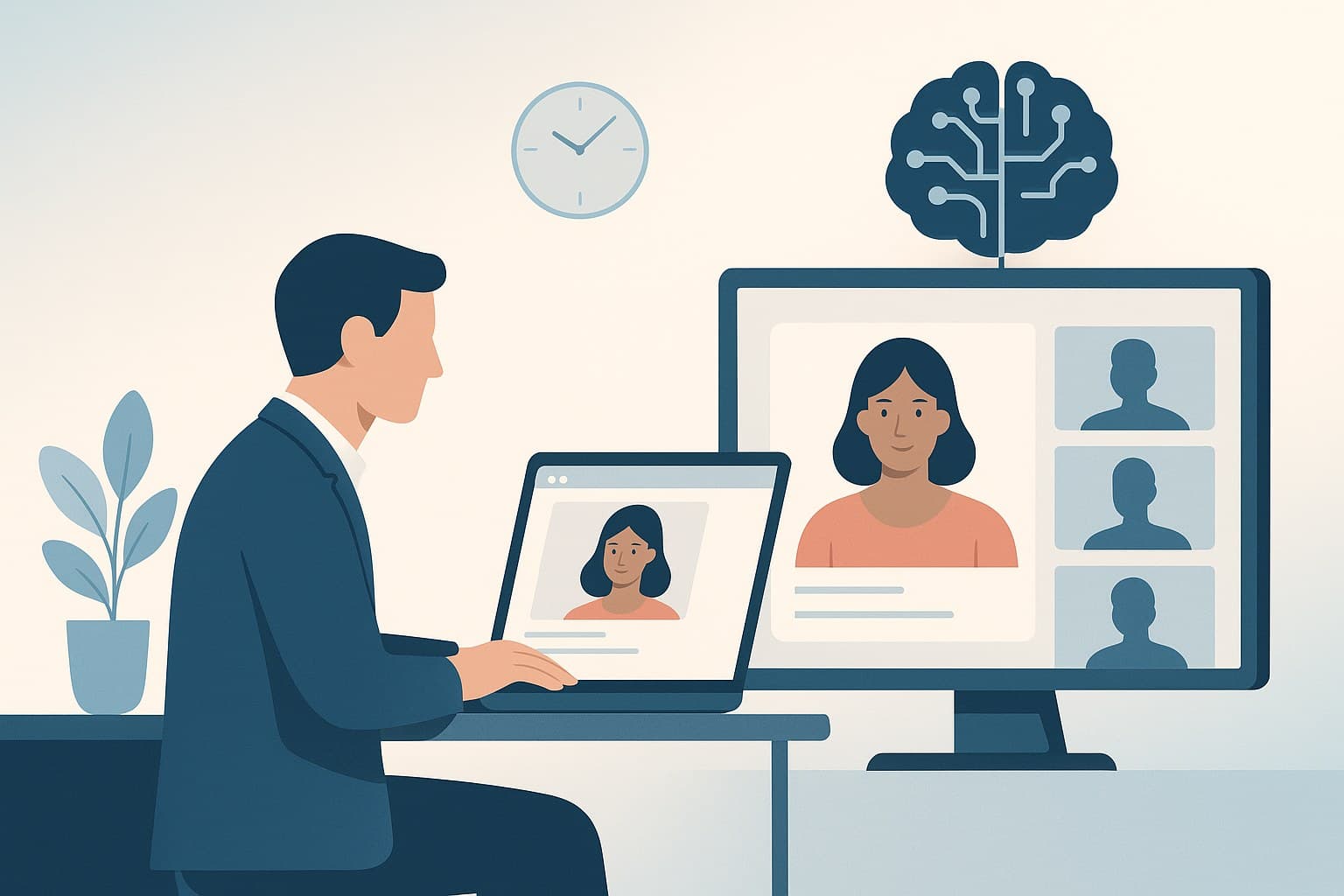
Navigating Personality Tests in Screening Interviews
Imagine being in a screening interview where beyond the usual questions about your experience, you're asked to take a personality test. This scenario is increasingly common as employers seek to understand potential hires on a deeper level. Personality tests in screening interviews have become a pivotal tool for recruiters. But what exactly are these tests, and why do they matter? This article explores the significance of personality tests, common misconceptions, core concepts, and actionable strategies to help you prepare effectively.
The Importance of Personality Tests in Screening Interviews
Personality tests have emerged as an essential component in the hiring process, providing insights that traditional interviews may overlook. These tests help employers assess traits like emotional intelligence, openness, conscientiousness, and more—traits that predict job performance and cultural fit.
Understanding why these tests are important can alleviate anxiety and better prepare you for the process. Employers use personality tests to screen candidates for a few key reasons:
-
Cultural Fit: Employers want to ensure that new hires will integrate well with the existing team. A harmonious workplace can significantly boost productivity and employee satisfaction.
-
Predicting Job Performance: Certain personality traits are linked to job performance. For instance, conscientiousness is often associated with reliability and competence.
-
Reducing Bias: Personality tests offer a more objective measure, reducing the risk of unconscious bias that can occur in face-to-face interviews.
By understanding these motivations, candidates can appreciate the value of these tests and approach them with confidence.
Common Misconceptions About Personality Tests
Despite their growing prevalence, several misconceptions about personality tests persist. Clarifying these can help candidates approach them with a more informed perspective.
One common myth is that personality tests have "right" or "wrong" answers. Unlike aptitude tests that measure specific skills, personality tests aim to capture your natural tendencies and preferences. The idea isn't to score perfectly but to provide a genuine picture of who you are.
Another misconception is that these tests are solely for weeding out candidates. In reality, they are a tool for matching the right person with the right role. Employers are looking for diversity in traits that complement their teams and fill existing gaps.
Lastly, some candidates believe that they can easily "game" these tests. While it might be tempting to answer in ways you think are desirable, tests are designed with mechanisms to detect inconsistencies. Honesty is crucial, as discrepancies can raise red flags for recruiters.
Core Principles of Personality Tests
Personality tests are grounded in psychological theories and aim to measure various dimensions of personality. Two of the most widely used frameworks are the Big Five personality traits and the Myers-Briggs Type Indicator (MBTI).
-
Big Five: This model categorizes personality into five broad domains: Openness, Conscientiousness, Extraversion, Agreeableness, and Neuroticism. Each trait represents a spectrum, and individuals fall somewhere along this range.
-
MBTI: This test categorizes individuals into 16 personality types based on preferences in four pairs of opposing traits: Introversion vs. Extraversion, Sensing vs. Intuition, Thinking vs. Feeling, and Judging vs. Perceiving.
Understanding these frameworks can demystify the testing process. For example, knowing that you're an "ISTJ" in MBTI terms or high in "Agreeableness" in the Big Five can help you understand your strengths and areas for improvement.
How to Prepare for Personality Tests
Preparation for personality tests involves more than just understanding the theories behind them. Here are practical steps you can take to ensure you present your best self:
-
Self-Reflection: Spend time identifying your key personality traits. Reflect on past experiences where these traits have been evident. This self-awareness helps you respond more authentically during the test.
-
Practice: While you can't study for a personality test in the traditional sense, familiarizing yourself with the format can be beneficial. There are numerous online resources where you can take practice tests to get a feel for the types of questions asked.
-
Relaxation Techniques: Being calm and collected can improve your ability to respond honestly. Techniques like deep breathing or mindfulness exercises can help reduce any anxiety associated with testing.
-
Consistency: Ensure your answers are consistent. Tests often include similar questions phrased differently to check for uniformity in responses.
Preparing effectively can reduce stress and help you approach personality tests with confidence, knowing that they are an opportunity to showcase your true self.
Common Pitfalls and How to Avoid Them
Navigating personality tests isn't without its challenges. However, being aware of common pitfalls can help you avoid them.
One major trap is overthinking each question. Trying to predict what the employer wants can lead to inconsistent answers. Instead, focus on providing responses that genuinely reflect your personality.
Another common issue is not understanding the context of the test. Remember that these assessments are just one part of the screening process. A candidate might excel in a personality test but still need to demonstrate their skills and experience in other areas.
Lastly, don't overlook the importance of feedback. Post-interview, if you have the opportunity, request feedback on your performance in the personality test. This can provide valuable insights into how your traits are perceived and areas where you might align better with different roles.
Conclusion
Personality tests in screening interviews are a valuable tool for both employers and candidates. They provide a deeper understanding of how an individual might fit within a team and perform in a role. By recognizing their importance, dispelling misconceptions, understanding core principles, preparing effectively, and avoiding common pitfalls, you can navigate these tests with confidence.
In your next screening interview, remember that these tests are not about perfection but about authenticity. Approach them as an opportunity to showcase your unique personality and how it aligns with potential career opportunities. As you prepare, consider: What unique traits do you bring to the table that could be your greatest asset in your desired job?
Frequently Asked Questions
Key questions often raised by business leaders and HR teams:
What are personality tests used for in interviews?
Personality tests help employers assess candidates' traits and predict job performance and cultural fit within the team.
Are there right or wrong answers in personality tests?
No, personality tests aim to reflect your natural tendencies rather than score you on a right or wrong scale.
How can I prepare for a personality test?
Prepare by reflecting on your traits, familiarizing yourself with the test format, and practicing relaxation techniques to reduce anxiety.
Can I 'game' the personality test?
It's not advisable to try to manipulate your answers, as tests are designed to detect inconsistencies and value honesty.
What should I do if I receive feedback on my personality test performance?
Use the feedback to gain insights into your traits and consider how you might better align with different roles.