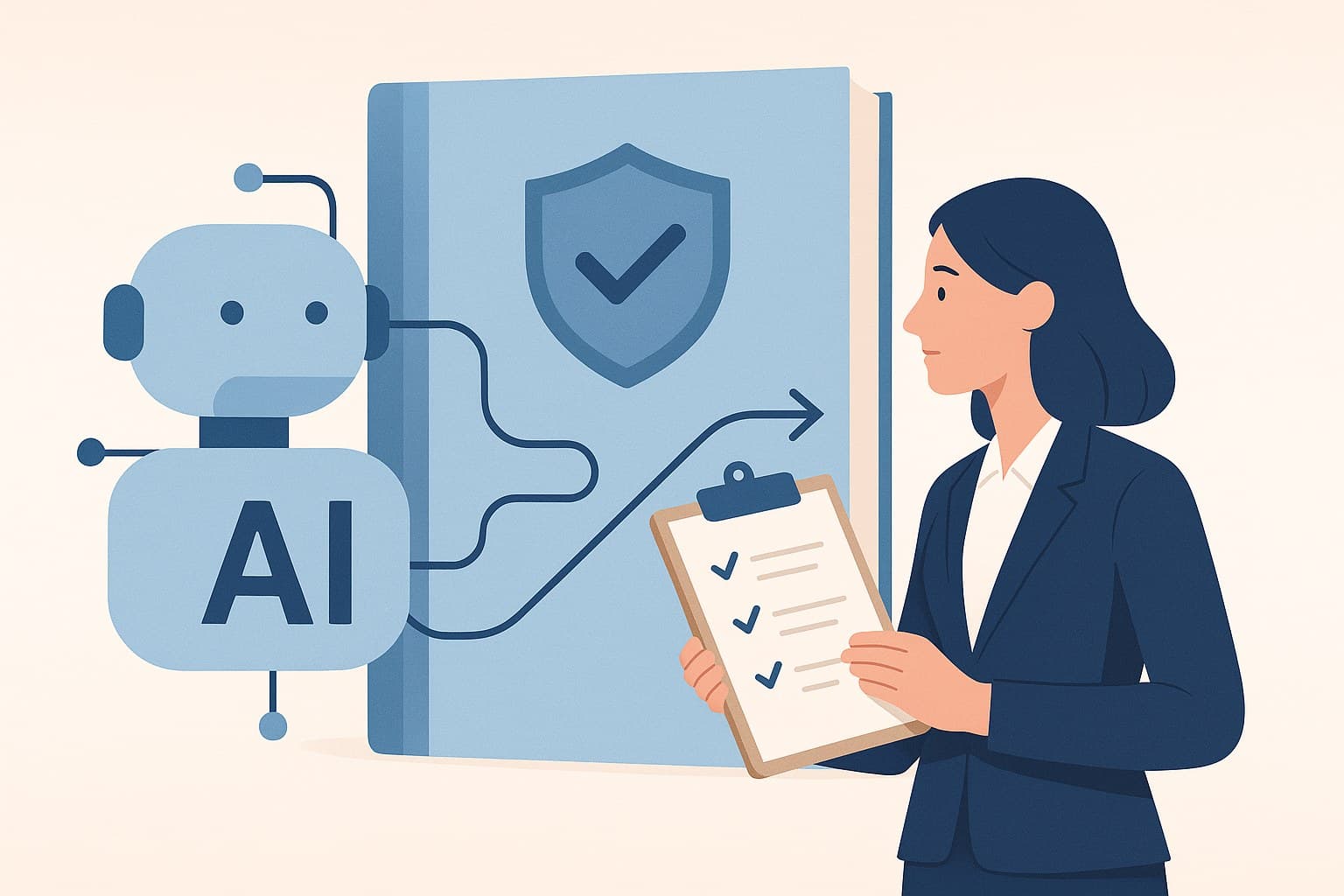
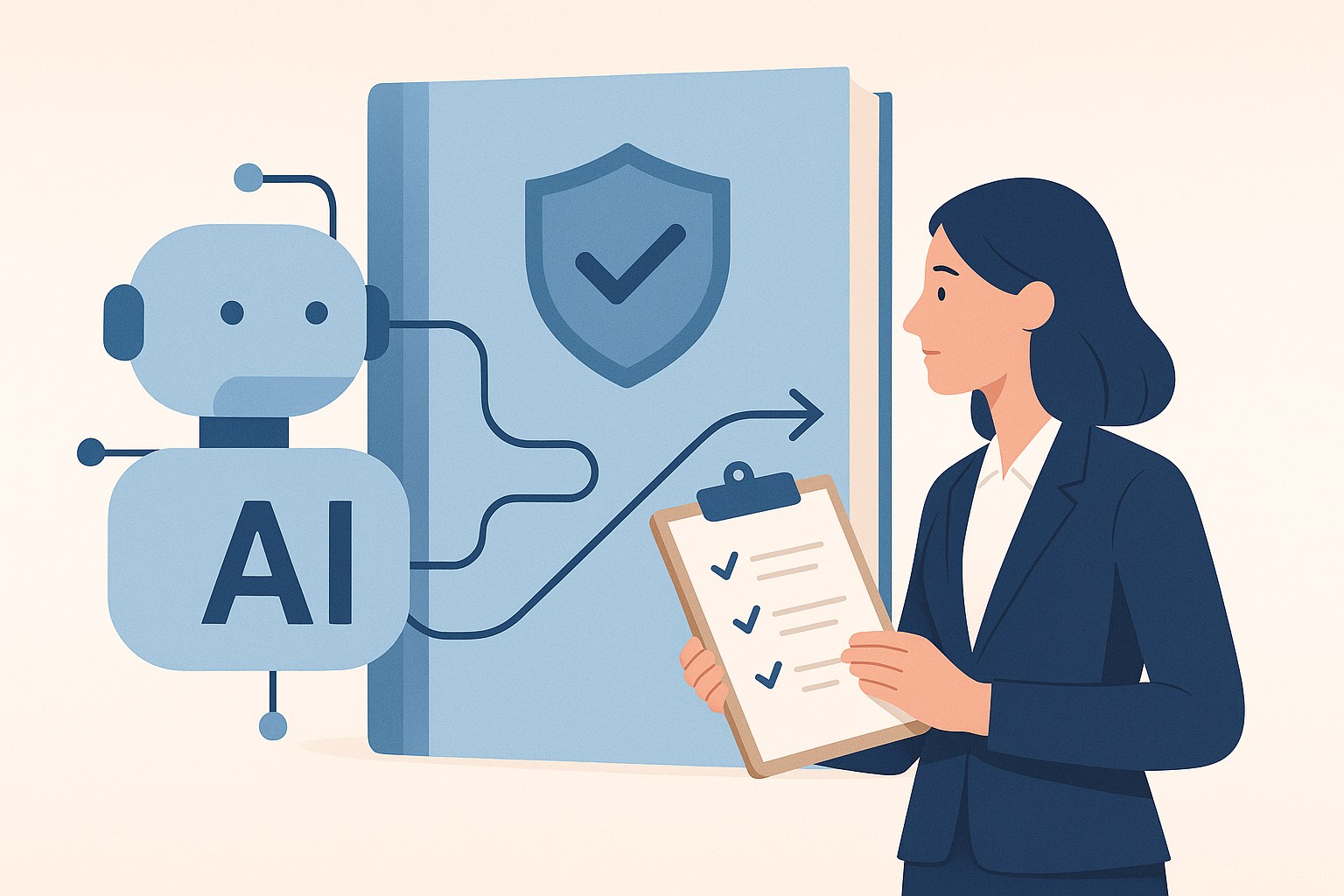
Next to ISO 42001 and AI Verify on the MIND Interview homepage, you will see a third mark: GDPR-aligned. It signals that our AI interview and screening flows are designed around EU-style expectations for lawful processing, transparency, and candidate rights—not that privacy is an afterthought bolted onto automation.
Global talent teams often run high-volume hiring across borders. Speed without documented purpose, consent, and retention creates audit risk. The badge is meant to show that throughput and accountable data handling can travel together.
What the badge claims—and what it does not
“GDPR-aligned” means product design tracks common GDPR themes: clear purposes, consent where appropriate, data minimisation, accessible privacy/terms pages, and records that support later review. It is not a regulator-issued certification, and it does not replace your organisation’s DPIA, processor agreements, or local counsel review for a specific rollout.
ISO 42001 and AI Verify address AI management and governance evidence. The privacy badge adds the personal-data layer so buyers see AI capability, AI governance, and data protection in one glance.
Personal data in AI video interviews
Asynchronous interviews typically involve identity and contact details, CV content, video/audio capture, speech-to-text, AI-assisted scoring, and process logs. We split consent into understandable purposes—application processing, recording, transcription, and AI-assisted scoring—and record consent before the interview starts, instead of burying everything in a single unchecked footer.
A practical checklist for HR and compliance
- State purposes and retention at invitation and job application time.
- Ensure consent covers the processing you actually run (recording, STT, scoring).
- Align access control, retention, and vendor contracts with your policies.
- Keep versioned consent evidence ready for audits or data-subject requests.
Use the GDPR-aligned badge as a conversation starter with legal and security—not as a substitute for your own compliance programme.