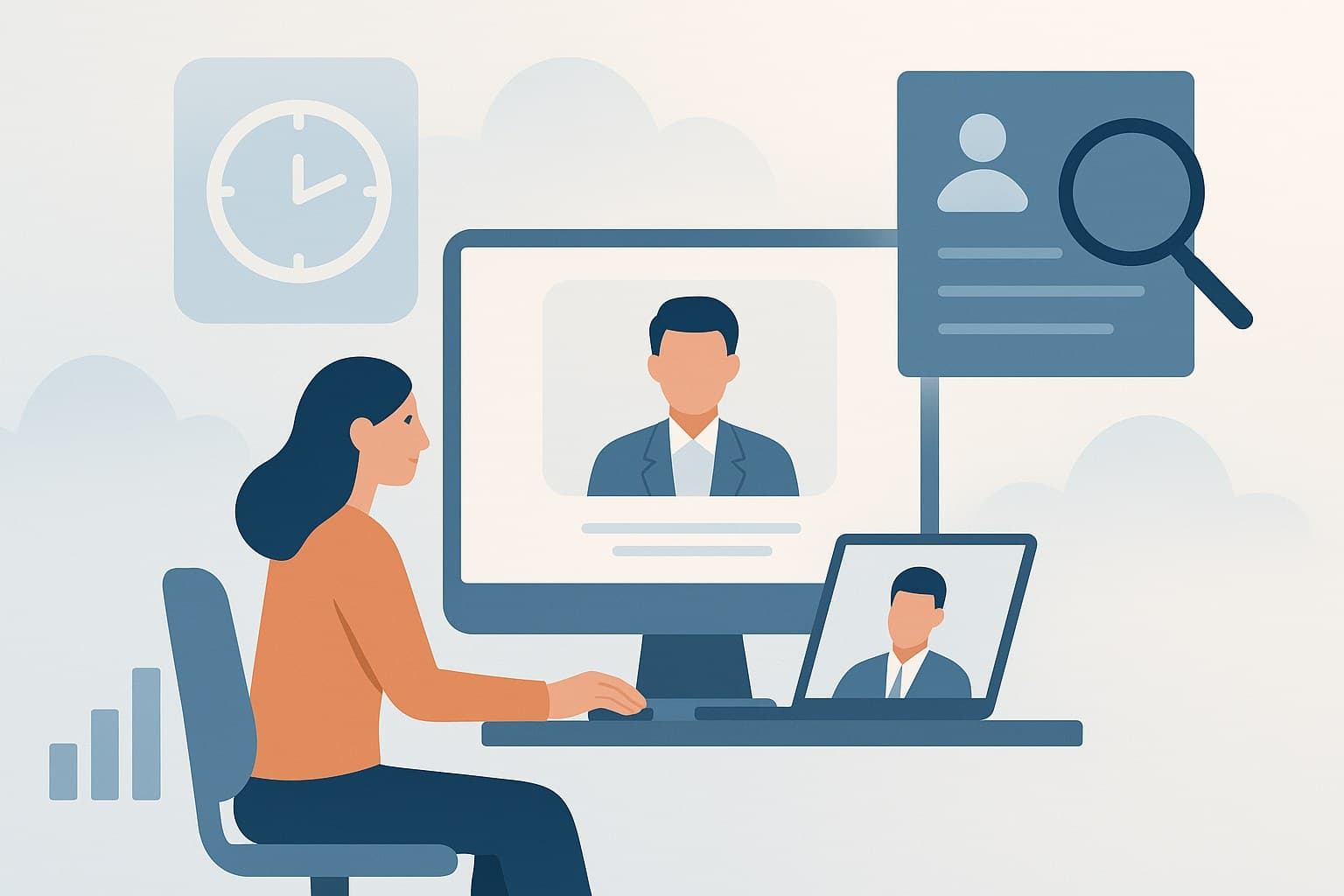
Title: Reducing Interview No-Shows with AI: A Game-Changer for HR Leaders
In the fast-paced world of recruitment, few things are as frustrating as candidate no-shows. These occurrences waste valuable time and resources, disrupt schedules, and can even lead to lost opportunities in securing top talent. For HR leaders and enterprise decision-makers, addressing this issue is not just about improving efficiency but also about optimizing the entire recruitment process. Leveraging Artificial Intelligence (AI) offers a promising solution to mitigate this challenge and enhance the overall candidate experience.
Understanding the Problem
Before delving into how AI can help, it is crucial to understand why candidates fail to show up for interviews. Common reasons include scheduling conflicts, lack of interest, miscommunication, and, sometimes, anxiety about the interview process itself. Traditional methods of addressing these issues often fall short because they are reactive rather than proactive. This is where AI can make a significant impact by predicting and preventing no-shows before they occur.
Predictive Analytics: Anticipating No-Shows
One of the most powerful applications of AI in recruitment is predictive analytics. By analyzing data from past recruitment cycles, AI can identify patterns and trends that indicate the likelihood of a candidate not attending an interview. Factors such as the candidate's previous interaction history, engagement levels, and even social media activity can be analyzed to produce a predictive score.
For example, if a candidate frequently reschedules interviews or shows low engagement with recruitment communications, AI can flag these candidates as high-risk for no-shows. HR professionals can then take preemptive actions, such as reaching out personally to reaffirm the candidate's interest and availability.
Enhanced Communication Through AI-Powered Chatbots
Communication breakdowns are a leading cause of interview no-shows. AI-powered chatbots can play a crucial role in ensuring clear and consistent communication with candidates. These chatbots can handle repetitive tasks such as sending reminders, answering FAQs, and confirming interview details, thereby freeing up HR personnel to focus on more complex tasks.
Moreover, chatbots can be programmed to interact with candidates in a personalized manner, providing a more engaging experience. By maintaining an open line of communication, candidates are more likely to feel connected and committed to the interview process.
Automated Scheduling and Rescheduling
Scheduling conflicts are another significant factor behind no-shows. AI can streamline the scheduling process by offering candidates multiple time slots and automatically updating calendars in real-time. If a candidate needs to reschedule, AI systems can quickly provide alternative options without the need for back-and-forth emails or calls.
By automating these processes, AI not only reduces the administrative burden on HR teams but also ensures that candidates have a seamless scheduling experience, thereby reducing the likelihood of conflicts that lead to no-shows.
Improving Candidate Engagement
AI can also enhance candidate engagement by personalizing the recruitment process. Through machine learning algorithms, AI can analyze a candidate's profile and tailor communications and content to their specific interests and career goals. This personalized approach can increase a candidate's interest and investment in the process, making them less likely to miss scheduled interviews.
Additionally, AI-driven platforms can provide candidates with insights and feedback, helping them prepare better for interviews. When candidates feel supported and informed, they are more likely to show up and perform well during interviews.
Reducing Anxiety with Virtual Simulations
Interview anxiety is a common issue and can sometimes deter candidates from attending. AI can help alleviate this anxiety through virtual interview simulations. These simulations allow candidates to practice and prepare in a stress-free environment, boosting their confidence and reducing the chances of a no-show due to anxiety.
Measuring and Optimizing the Recruitment Process
AI not only helps in reducing interview no-shows but also provides valuable insights into the recruitment process. By continuously analyzing data, AI can help HR leaders identify bottlenecks and areas for improvement. This data-driven approach allows organizations to refine their recruitment strategies and make informed decisions, leading to more efficient and effective hiring processes.
Conclusion
For HR leaders and enterprise decision-makers, the integration of AI into recruitment strategies offers a transformative opportunity to reduce interview no-shows significantly. By leveraging predictive analytics, enhancing communication, automating scheduling, and improving candidate engagement, AI addresses the root causes of no-shows proactively and effectively.
As organizations continue to navigate the challenges of talent acquisition in a competitive market, embracing AI solutions will be crucial in staying ahead. By reducing no-shows, companies can not only save time and resources but also ensure they are attracting and retaining the best talent available. Adopting AI in recruitment is not just a technological upgrade; it's a strategic move that aligns with the future of work and the evolving expectations of candidates.
Frequently Asked Questions
Key questions often raised by business leaders and HR teams:
How can AI help reduce interview no-shows?
AI can predict potential no-shows using predictive analytics, enhance communication through chatbots, and automate scheduling to improve the overall candidate experience.
What are common reasons for interview no-shows?
Common reasons include scheduling conflicts, lack of interest, miscommunication, and anxiety about the interview process.
How do AI-powered chatbots improve communication with candidates?
AI chatbots can send reminders, answer FAQs, and confirm interview details, ensuring clear and consistent communication with candidates.
What role does candidate engagement play in reducing no-shows?
Improving candidate engagement through personalized communications and insights can increase their investment in the process and decrease the likelihood of missed interviews.
Can AI help with interview preparation?
Yes, AI can provide virtual interview simulations, allowing candidates to practice and build confidence, which can reduce anxiety and improve attendance.