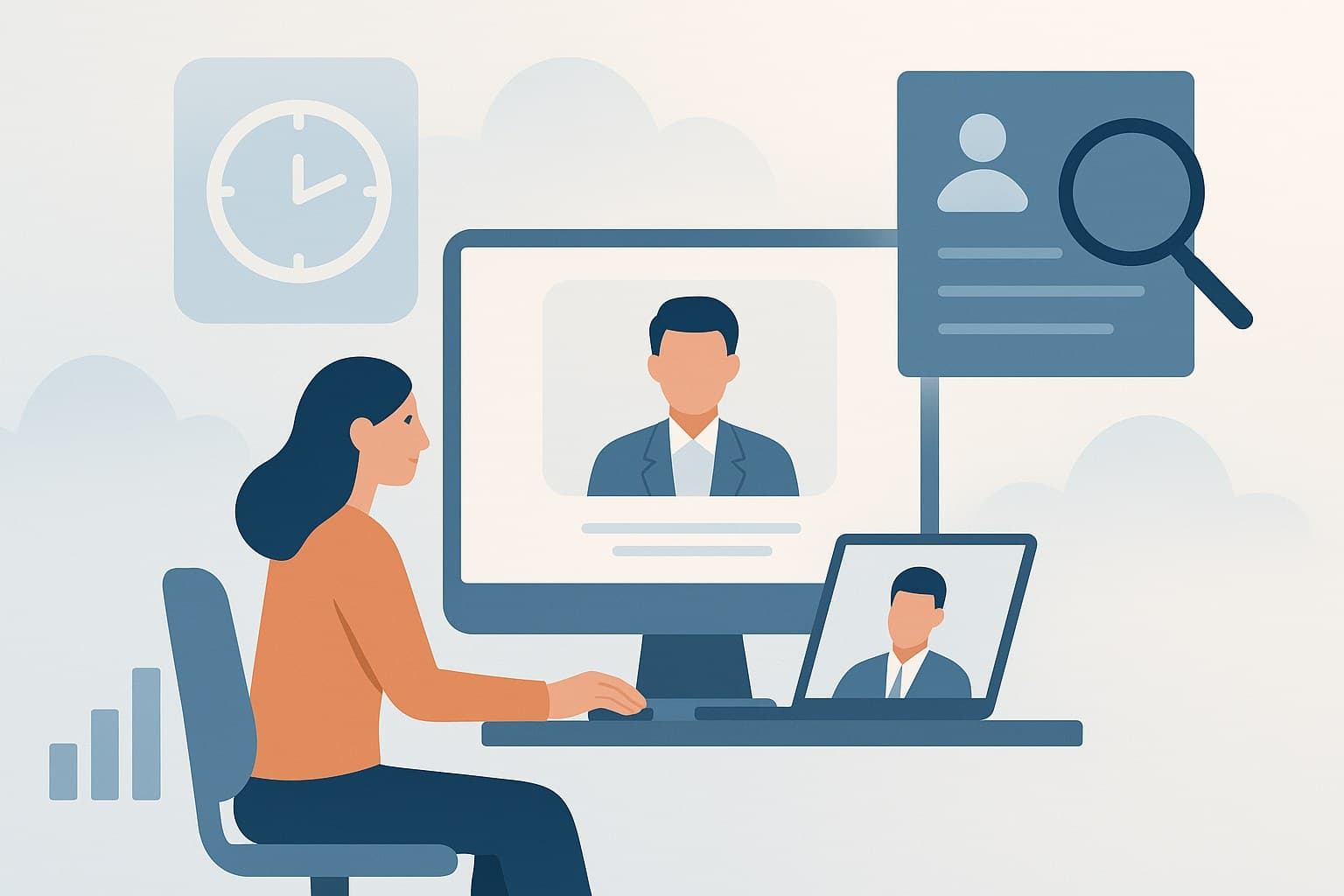
Reducing Interviewer Bias in University Admissions: Strategies and Insights
In the competitive landscape of university admissions, ensuring fair and unbiased assessment of applicants is paramount. Interviewer bias can inadvertently influence admission decisions, leading to less diverse and equitable educational environments. This article explores the dynamics of interviewer bias, its implications, and actionable strategies to mitigate it within university admissions processes.
Understanding Interviewer Bias in University Admissions
Interviewer bias occurs when the subjective perceptions and attitudes of the interviewer influence their evaluation of candidates. This bias can be based on factors such as race, gender, socioeconomic background, or even personal affinities. In the context of university admissions, such biases can skew decisions, potentially sidelining deserving candidates.
Types of Interviewer Bias
- Confirmation Bias: This occurs when interviewers look for information that confirms their pre-existing beliefs or stereotypes about a candidate.
- Affinity Bias: Interviewers may favor candidates who share similarities with them, whether in terms of background, interests, or experiences.
- Halo Effect: A single positive trait or achievement can overshadow other aspects of a candidate's profile, leading to a disproportionately favorable assessment.
- Stereotype Bias: Prejudices based on race, gender, or cultural stereotypes can unfairly influence the evaluation process.
Implications of Interviewer Bias
Interviewer bias in admissions can have far-reaching consequences. It not only affects the diversity and inclusivity of the student body but also impacts the university's reputation and compliance with anti-discrimination laws. Moreover, unchecked bias can lead to a homogenized academic environment, limiting the exchange of diverse perspectives that enrich learning experiences.
Data-Driven Insights on Interviewer Bias
Research has consistently highlighted the prevalence of bias in admissions interviews. A study by the National Association for College Admission Counseling found that nearly 50% of college admissions officers acknowledged the presence of bias in their processes. Additionally, a report by the Harvard Business Review emphasized that even minor biases could lead to significant disparities in admissions outcomes.
Key Statistics
- Diversity and Inclusion: Universities that actively address interviewer bias see a 20-30% increase in the diversity of their incoming classes.
- Bias Training Impact: Institutions that implement comprehensive bias training for interviewers report a 40% reduction in biased decision-making.
- Candidate Experience: 65% of applicants feel that interviews are more fair and transparent when universities actively work to reduce bias.
Strategies to Mitigate Interviewer Bias
To foster a more equitable admissions process, universities can implement several strategies designed to minimize interviewer bias. Below are actionable insights that institutions can adopt:
1. Implement Structured Interviews
Structured interviews involve using a consistent set of questions for all candidates, focusing on predetermined criteria. This approach reduces the influence of personal biases, as interviewers evaluate each candidate based on the same metrics.
Actionable Takeaway: Develop a standardized interview template that aligns with the university's values and admission criteria. Train interviewers to adhere strictly to the structured format, ensuring consistency across all interviews.
2. Conduct Bias Awareness Training
Training programs that focus on recognizing and mitigating bias can significantly improve the objectivity of interviewers. These programs should cover the various forms of bias and provide strategies for minimizing their impact.
Actionable Takeaway: Partner with diversity and inclusion experts to design comprehensive training sessions for all admissions staff. Encourage ongoing learning through workshops, seminars, and e-learning modules.
3. Diversify Interview Panels
A diverse interview panel can provide a broader range of perspectives and reduce individual biases. By incorporating interviewers from varied backgrounds, universities can ensure a more balanced assessment of candidates.
Actionable Takeaway: Assemble interview panels with members who represent different genders, ethnicities, and professional backgrounds. Regularly rotate panel members to maintain objectivity and prevent groupthink.
4. Utilize Technology and Data Analytics
Leveraging technology can help reduce bias by providing objective data-driven insights. AI-powered tools can analyze candidate responses and highlight potential biases in interviewer evaluations.
Actionable Takeaway: Invest in AI-based interview platforms that offer unbiased scoring and analytics. Use data analytics to identify patterns of bias and adjust interview protocols accordingly.
5. Implement Anonymous Evaluations
Anonymous evaluations, where personal information is withheld from the interviewer, can help ensure that assessments are based solely on merit and qualifications.
Actionable Takeaway: Remove identifiable information from application materials during the interview stage. Use candidate numbers instead of names to maintain anonymity throughout the evaluation process.
Building a Culture of Fairness and Inclusivity
Beyond implementing specific strategies, universities must cultivate a broader culture that values fairness and inclusivity. This involves a commitment to ongoing evaluation and improvement of admissions processes, ensuring they align with the institution's diversity goals.
Continuous Improvement and Feedback
Regularly reviewing and updating admissions practices is crucial for sustaining progress. Solicit feedback from both interviewers and candidates to identify areas for improvement.
Actionable Takeaway: Establish a feedback loop where interviewers and applicants can share their experiences and suggestions. Use this feedback to refine interview protocols and address any emerging biases.
Leadership Commitment
Leadership plays a vital role in championing diversity initiatives. University leaders must actively advocate for unbiased admissions processes and allocate resources to support these efforts.
Actionable Takeaway: University leaders should publicly commit to reducing bias in admissions and set measurable diversity targets. Regularly communicate progress towards these goals to foster accountability and transparency.
Collaboration and Partnerships
Collaborating with external organizations and experts can enhance a university's ability to address interviewer bias. Partnerships can provide access to additional resources, research, and best practices.
Actionable Takeaway: Forge partnerships with diversity-focused organizations and academic institutions to share knowledge and resources. Participate in forums and networks dedicated to advancing fair admissions practices.
Conclusion
Reducing interviewer bias in university admissions is a multifaceted challenge that requires a concerted effort from all stakeholders involved. By implementing structured interviews, conducting bias training, diversifying interview panels, leveraging technology, and fostering a culture of inclusivity, universities can create a more equitable admissions process. These efforts not only enhance the diversity and quality of the student body but also strengthen the institution's commitment to fairness and excellence in education.
As universities continue to evolve and adapt to changing societal needs, addressing interviewer bias remains a critical component of ensuring that higher education is accessible and equitable for all aspiring students.
Frequently Asked Questions
Key questions often raised by business leaders and HR teams:
What is interviewer bias?
Interviewer bias occurs when an interviewer's personal perceptions influence their evaluation of a candidate, potentially leading to unfair admission decisions.
How can universities reduce interviewer bias?
Universities can implement structured interviews, conduct bias awareness training, diversify interview panels, and utilize technology to mitigate bias.
Why is it important to address interviewer bias?
Addressing interviewer bias is crucial for promoting diversity and inclusivity in the student body, ensuring that all candidates are evaluated fairly.
What role does technology play in reducing bias?
Technology can provide objective data-driven insights and help identify patterns of bias in interviewer evaluations, leading to more equitable assessments.
What are anonymous evaluations?
Anonymous evaluations involve withholding personal information from interviewers to ensure that assessments are based solely on candidates' merits.