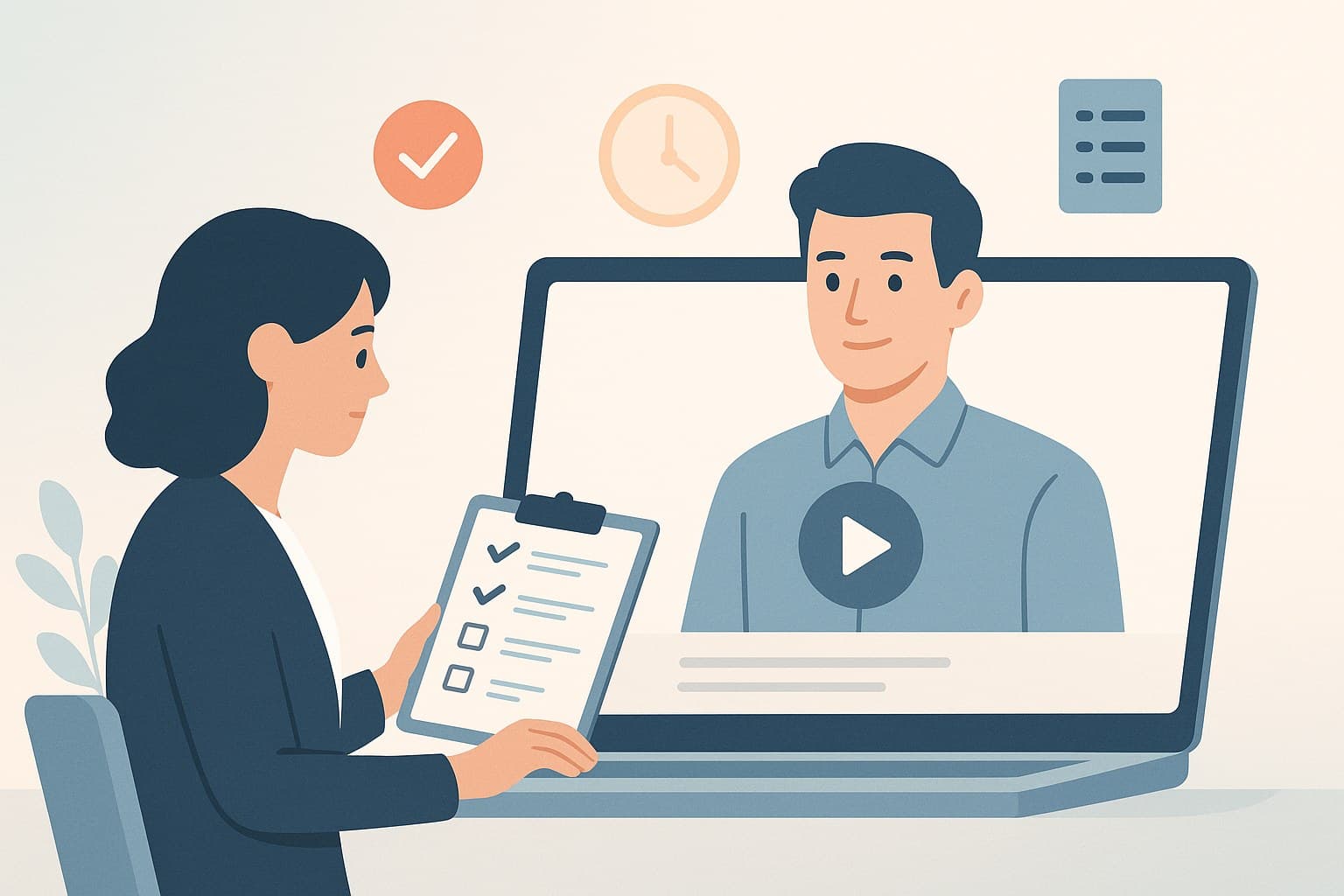
Navigating Remote Job Interview Challenges: Essential Insights
The landscape of job interviews has transformed significantly, with remote interviews becoming a common practice. This shift, while convenient, presents unique challenges that job seekers must navigate to succeed. Understanding these challenges and how to effectively tackle them can be pivotal in securing your next role.
The Importance of Understanding Remote Interview Challenges
In today's job market, remote interviews are not just a temporary trend but a staple in the hiring process. As companies continue to embrace digital solutions, the ability to perform well in remote interviews becomes crucial. Success in these interviews can open doors to global opportunities without the need for relocation. However, the lack of physical presence and potential technical issues can add layers of complexity that candidates must be prepared to handle.
Remote interviews require you to convey your skills and personality effectively through a screen. This can be challenging as non-verbal cues, which play a significant role in communication, are often lost. Furthermore, the comfort of being in your own space can sometimes lead to a false sense of informality. Thus, understanding and preparing for these nuances is essential to stand out in a competitive job market.
Common Problems Encountered in Remote Interviews
Remote interviews introduce several unique challenges that are not as prevalent in face-to-face meetings. One of the primary issues is technical difficulties, such as poor internet connection or software glitches. These can disrupt the flow of the interview and potentially leave a negative impression.
Another common problem is the lack of personal connection. Building rapport with an interviewer is more difficult when you cannot engage directly. This can lead to misunderstandings and a lack of engagement from both parties.
Additionally, distractions at home can interrupt the interview process. Unlike controlled office environments, your home might have unexpected noise or interruptions that can detract from your professional image. Preparing a dedicated, quiet space for the interview can mitigate these issues.
Key Concepts for Successful Remote Interviews
To overcome the challenges of remote interviews, it's important to focus on several core concepts. Firstly, ensuring your technology is reliable is crucial. This means testing your internet connection, camera, and microphone well before the interview. Familiarizing yourself with the video conferencing software the company will use also prevents last-minute hiccups.
Secondly, creating a professional setting is vital. This involves having a clean, uncluttered background and good lighting. Your attire should be professional from head to toe, as this not only presents a good impression but also mentally prepares you for the interview.
Another key concept is communication. Since body language is limited, your verbal communication needs to be clear and concise. Practice articulating your thoughts and maintaining a steady pace to ensure your points are conveyed effectively.
Practical Steps to Prepare for Remote Interviews
Preparation is the cornerstone of any successful interview. Start by researching the company thoroughly, understanding its culture, values, and the role you are applying for. Tailor your responses to reflect how you can contribute to the company’s goals.
Next, practice common interview questions and answers. You can do this by conducting mock interviews with a friend or using a mirror to practice your delivery. Pay attention to your facial expressions and tone, as these are crucial in a remote setting.
It's also beneficial to prepare questions for the interviewer. This not only shows your interest in the role but also provides insight into whether the company is the right fit for you.
Finally, ensure you have all necessary documents ready and accessible, such as your resume, portfolio, and any references. Having these at hand during the interview demonstrates organization and preparedness.
Real-Life Scenarios and Common Pitfalls
Consider a scenario where a job seeker, eager to impress, joins the remote interview with a cluttered background and poor lighting. Despite having excellent qualifications, the visual distraction and lack of preparation create a less than favorable impression. This highlights the importance of setting up a professional environment.
Another common pitfall is neglecting to check the functionality of your equipment. Imagine the frustration of an interviewer when a candidate's microphone fails, and communication is hindered. Such technical oversights can easily be avoided with thorough preparation.
Additionally, some candidates might over-rely on notes during a remote interview, which can come across as scripted. It's important to be familiar with your key points but also maintain a conversational flow to keep the interaction engaging.
Conclusion
Successfully navigating remote job interview challenges requires a blend of technical preparedness, professional presentation, and effective communication. By understanding the unique aspects of virtual interviews and taking proactive steps to address potential issues, you can enhance your interview performance significantly. As you prepare for your next remote interview, consider what steps you can take today to ensure you present the best version of yourself. Are you ready to embrace the digital interview landscape with confidence?
Frequently Asked Questions
Key questions often raised by business leaders and HR teams:
What are common challenges in remote job interviews?
Common challenges include technical difficulties, lack of personal connection, and distractions at home. Preparing a quiet space and ensuring reliable technology can help.
How can I prepare for a remote job interview?
Research the company, practice common interview questions, and set up a professional environment. Ensure your technology works well before the interview.
Why is body language important in remote interviews?
Body language helps convey confidence and engagement. Since it's limited in virtual settings, focus on clear verbal communication and maintain eye contact with the camera.
What should I wear for a remote interview?
Dress professionally from head to toe, as it not only creates a good impression but also helps you mentally prepare for the interview.
How can I build rapport with the interviewer remotely?
Engage in active listening, ask thoughtful questions, and maintain a friendly tone to foster a connection despite the virtual setting.