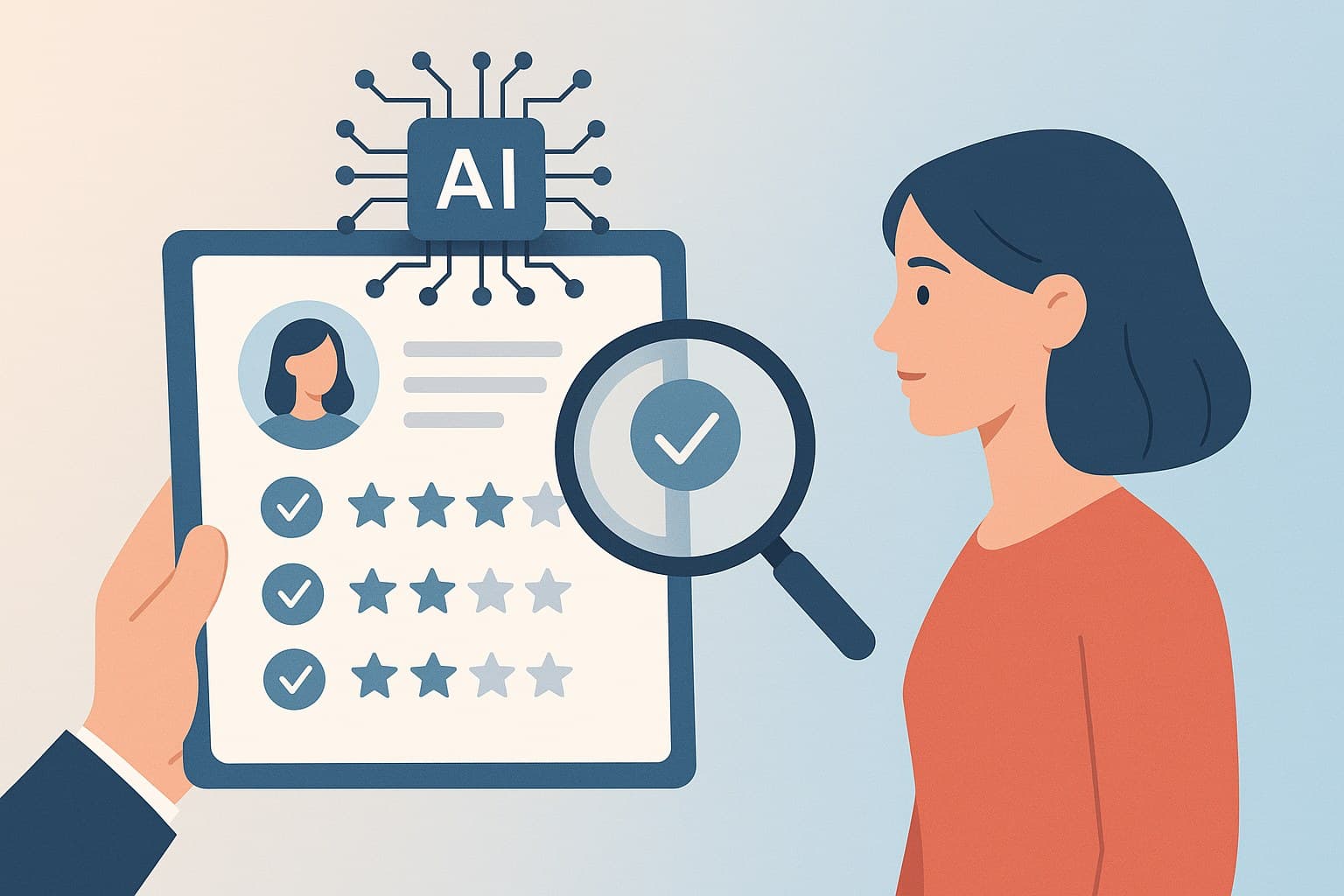
Mastering the Art of Tailoring Your Resume for Applications
In today's competitive job market, standing out is crucial. A well-crafted resume tailored for each job application can be your ticket to success. Tailoring your resume involves customizing it to highlight the experiences and skills most relevant to the job you are applying for. This article will guide you through the process, offering actionable insights and strategies to enhance your chances of landing your dream job.
Why Tailoring Your Resume is Important
The importance of tailoring your resume cannot be overstated. Employers often receive hundreds of applications for a single position. To sift through these, many use applicant tracking systems (ATS) that scan resumes for specific keywords and phrases related to the job. If your resume does not include these keywords, it might not even be seen by a human recruiter.
Tailoring your resume ensures that it not only passes through the ATS but also appeals to hiring managers who are looking for candidates who fit their specific needs. By customizing your resume, you demonstrate that you understand the job requirements and have the relevant skills and experiences.
Common Challenges and Misconceptions
A common misconception about resume tailoring is that it involves merely changing a few words or phrases. However, effective tailoring goes beyond superficial edits. It requires a deep understanding of the job description and a thoughtful rearrangement of your experiences and skills to match the employer's needs.
Another challenge is the time it takes to tailor each resume. Many job seekers are tempted to send a generic resume to multiple employers to save time. However, this approach often results in fewer interview opportunities. The key is to strike a balance between efficiency and customization.
Understanding the Core Principles of Resume Tailoring
To tailor your resume effectively, you need to understand the core principles involved. First, thoroughly read the job description to identify the key skills and experiences the employer is seeking. Highlight these keywords because they are likely what the ATS will scan for.
Next, prioritize these elements in your resume. If a job requires a particular skill or experience, ensure it is prominently featured. This might mean moving certain experiences higher up on your resume or expanding on particular projects that demonstrate your proficiency in a skill the employer values.
Step-by-Step Guide to Tailoring Your Resume
-
Analyze the Job Description: Start by dissecting the job description. Look for the essential qualifications and responsibilities. Note any recurring themes or skills that are emphasized.
-
Identify Relevant Experiences: Match your experiences with the job requirements. If the job emphasizes project management, highlight your relevant projects and the results you achieved.
-
Use Appropriate Keywords: Incorporate keywords from the job description into your resume. This can include specific skills, technologies, or industry-specific terms.
-
Customize Your Objective or Summary: Your career objective or summary statement should reflect the position you are applying for. Mention the company name and how your goals align with theirs.
-
Revise Your Professional Experience Section: Reorder your job experiences to feature the most relevant ones first. Use bullet points to clearly and concisely detail your responsibilities and achievements.
-
Highlight Relevant Skills: Include a skills section that lists both hard and soft skills relevant to the job. Ensure that these skills are also reflected in your professional experiences.
Scenarios and Pitfalls to Avoid
Consider a hiring manager at a mid-size tech firm looking for a software developer. They receive two resumes: one generic and one tailored. The tailored resume highlights experiences with the specific programming languages mentioned in the job ad and details projects that align with the company's goals. This candidate is more likely to be called for an interview.
A common pitfall is over-tailoring, where candidates might embellish or misrepresent their skills. This can backfire during interviews if you cannot substantiate your claims. Always ensure that your resume is truthful and that you can discuss any experiences or skills listed.
Conclusion
Tailoring your resume for each job application is a critical step in your job search strategy. It enhances your visibility to both ATS and human recruiters, increases your chances of securing interviews, and ultimately helps you land the job you desire. Start by analyzing job descriptions carefully, aligning your experiences with job requirements, and incorporating relevant keywords. Remember, a customized resume speaks volumes about your enthusiasm and attention to detail. Are you ready to take your job applications to the next level?
Frequently Asked Questions
Key questions often raised by business leaders and HR teams:
Why is tailoring my resume important?
Tailoring your resume is crucial because it helps you stand out in a competitive job market and ensures your application passes through applicant tracking systems.
How do I tailor my resume for a specific job?
To tailor your resume, analyze the job description, identify relevant experiences, incorporate keywords, and customize your objective or summary.
What common mistakes should I avoid when tailoring my resume?
Avoid over-tailoring by embellishing your skills and ensure that your resume remains truthful and accurately reflects your experiences.