Mastering Screening Interview Questions: A Guide for Job Seekers
The job market is competitive, and the first step to securing a position is often the screening interview. This initial phase can set the tone for your entire job-seeking journey. Understanding and preparing for common screening interview questions is crucial. These questions are designed to assess your basic qualifications and fit for the role. By mastering them, you can make a lasting impression on hiring managers.
Why Screening Interviews Matter
Screening interviews are a critical first step in the hiring process. They serve as an initial filter, allowing employers to narrow down the pool of candidates. The goal is to identify those who meet the basic requirements and have the potential to succeed in the role. For job seekers, it's an opportunity to demonstrate their value and stand out from the competition.
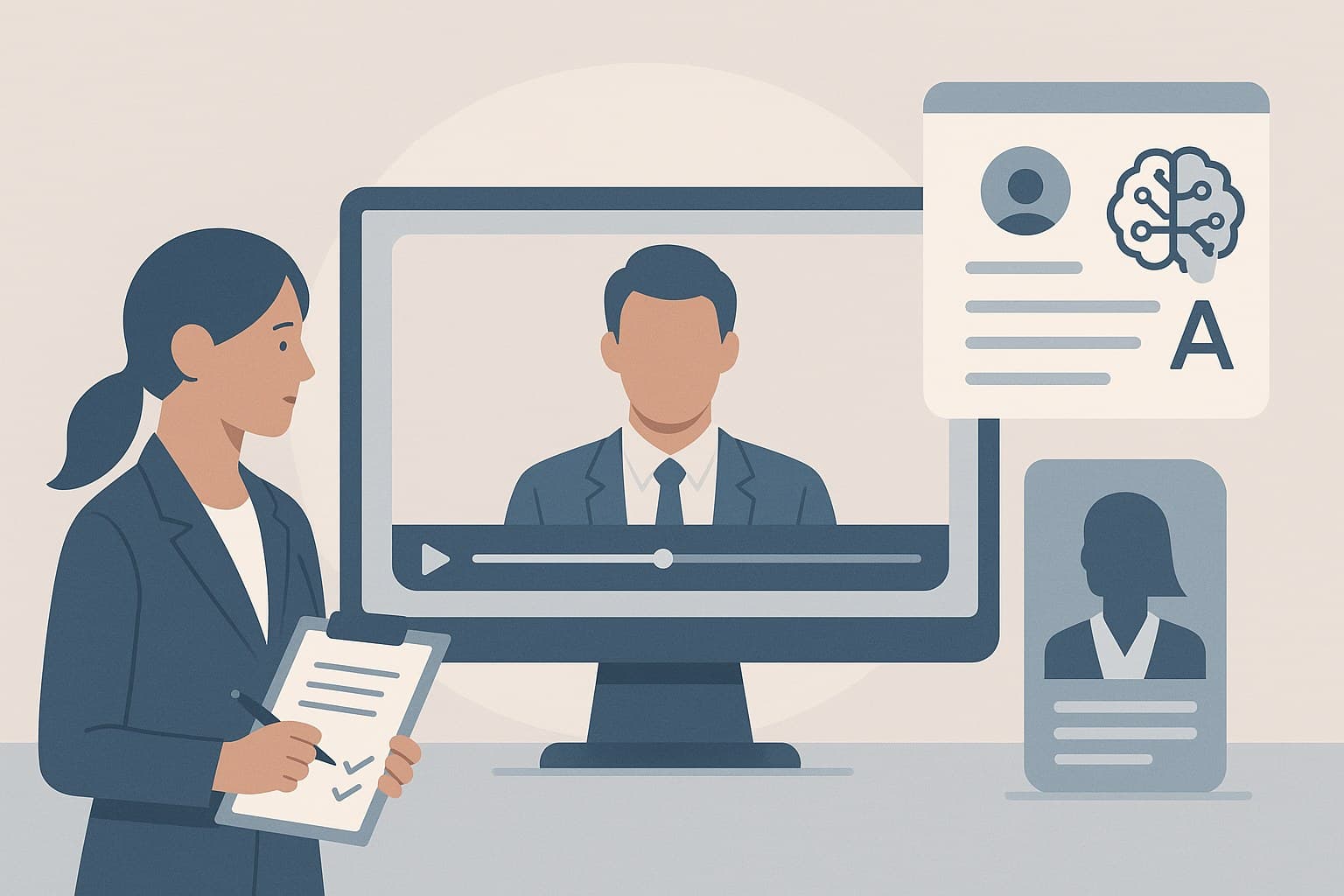
Organizations often receive hundreds of applications for a single position. Screening interviews help streamline this process, saving time and resources. They are usually conducted over the phone or via video call, making them a convenient way for employers to evaluate basic skills and experience without the need for an in-person meeting.
Understanding why these interviews are important helps candidates appreciate their role in the hiring process. It's not just about answering questions correctly; it's about making a strong first impression and showcasing your ability to communicate effectively under pressure.
Common Screening Interview Questions
There are several questions that frequently appear in screening interviews. Familiarizing yourself with these can help reduce anxiety and improve your performance. Here are some typical questions and how you can approach them:
-
Tell me about yourself. This is often the opening question. Focus on your professional background, key skills, and what you bring to the role. Keep it concise and relevant to the position you’re applying for.
-
Why do you want to work here? Research the company beforehand. Mention specific aspects of the company that attract you, such as values, culture, or recent achievements, and align them with your career goals.
-
What are your strengths and weaknesses? Highlight strengths that are relevant to the job. When discussing weaknesses, choose something you are actively working to improve and explain how you are doing so.
-
Describe a challenge you've faced and how you handled it. Use the STAR method (Situation, Task, Action, Result) to structure your response. This method helps provide a clear and concise answer.
-
Where do you see yourself in five years? Employers want to know your career aspirations and whether you have a vision that aligns with the company’s goals. Be honest but also express a desire to grow with the company.
These questions are designed to assess your fit and potential contribution to the organization. Practicing your responses can help you deliver them with confidence and clarity.
How to Prepare for Screening Interviews
Preparation is key to success in screening interviews. Here are steps you can take to ensure you are ready:
-
Research the Company: Understand its mission, values, products, and culture. This will help you tailor your answers to align with what the company is looking for.
-
Review the Job Description: Identify key skills and experiences required for the role. Prepare examples from your past work that demonstrate these abilities.
-
Practice Common Questions: Use the questions listed above and practice your answers out loud. This will help you become more comfortable with your responses.
-
Set Up Your Environment: If your screening interview is virtual, ensure your technology is working, your environment is quiet, and your background is professional.
-
Plan Your Questions: Have a few questions ready to ask the interviewer. This shows you are engaged and interested in the position.
By following these steps, you can approach your screening interview with confidence, knowing you have done everything possible to prepare.
Mistakes to Avoid in Screening Interviews
Even well-prepared candidates can make mistakes during screening interviews. Being aware of common pitfalls can help you avoid them:
-
Focusing Only on Yourself: While it’s important to talk about your qualifications, also show interest in the company and how you can meet their needs.
-
Being Unprepared for Obvious Questions: Failing to prepare for standard questions can make you appear uninterested or unqualified.
-
Over-Explaining Answers: Keep your responses concise and to the point. Rambling can confuse the interviewer and dilute the impact of your answer.
-
Neglecting to Follow Up: Always send a thank-you note after your interview. This is an opportunity to reiterate your interest and highlight any points you may have missed.
-
Displaying Negative Body Language: Even in phone interviews, your tone and enthusiasm matter. In video calls, maintain eye contact and avoid fidgeting.
By avoiding these mistakes, you can present yourself as a polished and capable candidate, increasing your chances of progressing to the next stage.
Real-Life Scenarios and Tips
Imagine a hiring manager at a mid-sized tech firm conducting a screening interview. They are looking for someone who not only fits the technical requirements but also aligns with the company culture. Here’s how a well-prepared candidate might navigate this:
- Situation: The candidate is asked about their experience with remote teamwork, a key aspect of the role.
- Action: They describe a project where they coordinated with colleagues across different time zones, emphasizing communication tools and strategies used.
- Result: They highlight the successful completion of the project within deadlines and how it improved team collaboration.
This example illustrates the importance of using specific examples and outcomes. It shows the candidate’s ability to work remotely, a crucial skill for the position, and demonstrates their proactive approach to problem-solving.
Conclusion
Mastering screening interview questions is essential for job seekers aiming to make a strong initial impression. By understanding the importance of these interviews, preparing thoroughly, avoiding common mistakes, and learning from real-life scenarios, candidates can enhance their chances of success. As the job market continues to evolve, the ability to effectively navigate these early stages of the hiring process remains a vital skill. Are you ready to make your mark in your next screening interview?
Frequently Asked Questions
Key questions often raised by business leaders and HR teams:
What are screening interview questions?
Screening interview questions are designed to assess a candidate's basic qualifications and fit for a role. They often focus on skills, experience, and motivations.
How can I prepare for a screening interview?
Research the company, review the job description, practice common questions, and ensure your interview environment is professional.
What common mistakes should I avoid during a screening interview?
Avoid focusing only on yourself, being unprepared for standard questions, and neglecting to follow up after the interview.