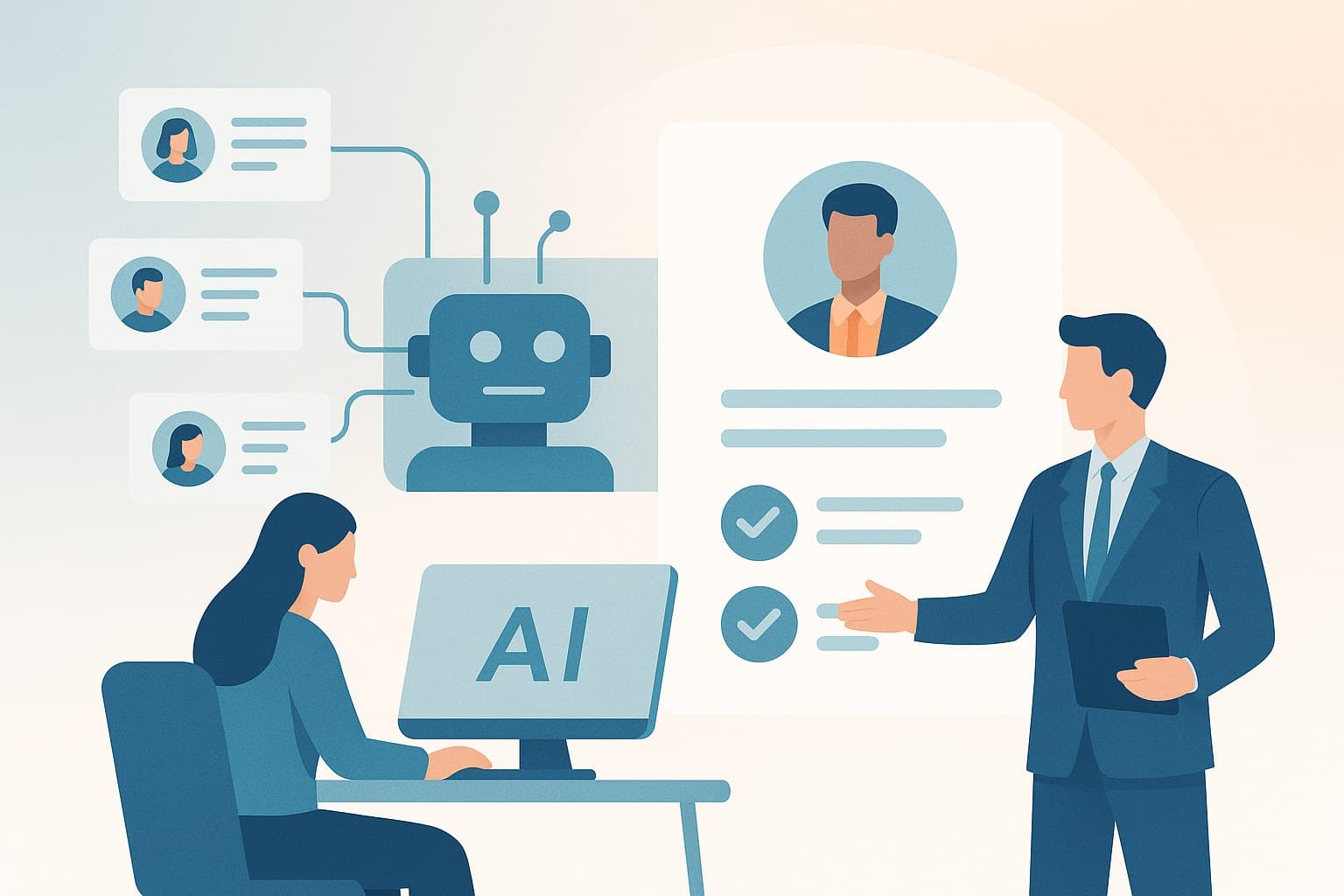
Campus Hiring SLA AI Interviews: Streamlining Recruitment Processes for Higher Education Institutions
In today's highly competitive job market, recruitment processes have become more complex and time-consuming, especially for higher education institutions. With a large volume of applicants, it can be challenging for universities and colleges to efficiently review and select the best candidates for their campus hiring needs. This is where the concept of SLA AI interviews comes in.
SLA AI interviews, or Service Level Agreement Artificial Intelligence interviews, have been gaining traction in the recruitment industry, particularly in campus hiring. This article will delve into the importance of SLA AI interviews in streamlining the recruitment processes for higher education institutions, based on extensive research and insights.
The Reality of Campus Hiring
Campus hiring is a crucial process for higher education institutions, as it allows them to attract and select the best talents from a pool of fresh graduates. However, with the increasing number of students graduating each year, the volume of applicants for campus hiring has also significantly increased. This poses a challenge for university and college recruiters to efficiently review and select the best candidates for their institution.
The Need for SLA AI Interviews
To address the challenges posed by the high volume of applicants in campus hiring, there is a need for a more efficient and reliable recruitment process. This is where SLA AI interviews come in. These interviews utilize artificial intelligence and machine learning algorithms to streamline the recruitment process, making it faster, more accurate, and more efficient.
Volume Campus Reality
One of the key benefits of SLA AI interviews is that they can handle a large volume of applicants. These interviews can review a large number of resumes and applications in a short period, significantly reducing the time and effort required from recruiters. This is especially beneficial for higher education institutions that receive a high volume of applicants for their campus hiring needs.
Clear Criteria and Scheduling Automation
SLA AI interviews also provide a clear set of criteria for evaluating candidates, ensuring a fair and unbiased review process. This eliminates the risk of human error and ensures that all candidates are evaluated based on the same standards.
Moreover, SLA AI interviews also offer scheduling automation, which is a significant advantage for higher education institutions that recruit across different time zones. With this feature, recruiters can easily schedule interviews with candidates from different locations, making the process more convenient and efficient for both parties.
Reviewer Queues That Do Not Hide Evidence
Another essential aspect of SLA AI interviews is the reviewer queues that do not hide evidence. This means that all the information and data gathered from the candidates during the screening process are transparent and readily available for review. This ensures that all decisions made in the recruitment process are based on concrete evidence, reducing the risk of bias and discrimination.
The Operating Model of Campus Hiring
To better understand how SLA AI interviews can be integrated into the recruitment process for higher education institutions, we must also look into the operating model of campus hiring. This model involves a workflow that is repeatable across roles, schools, events, applicant batches, and more.
The operating model of campus hiring involves four main stages: sourcing, screening, interviewing, and selecting. Each stage requires a different set of activities and processes to be completed efficiently. With SLA AI interviews, each stage can be streamlined and automated, making the overall recruitment process more efficient and effective.
AI Guidelines for Hiring and Employment
The use of AI in recruitment processes has raised concerns about potential biases and discrimination. To address these concerns, the AI Verify governance was established, providing guidelines for the use of AI in hiring and employment. These guidelines ensure that AI is used ethically and responsibly, without any bias or discrimination against candidates.
SLA AI interviews, particularly MIND Interview, follow the AI Verify guidelines, providing a fair and unbiased recruitment process for higher education institutions. This not only ensures compliance with ethical standards but also builds trust and credibility in the recruitment process.
How MIND Interview Can Help
As mentioned earlier, MIND Interview is one of the leading providers of SLA AI interviews. This enterprise-grade AI recruitment platform offers a range of features and benefits that can significantly improve the recruitment process for higher education institutions.
AI Resume Analysis
MIND Interview's AI resume analysis feature parses skills, matches job descriptions, flags potential risks, and ranks a shortlist of candidates. This significantly reduces the time and effort required for manual resume screening, ensuring that all qualified candidates are considered for the position.
Asynchronous AI Video Interviews
MIND Interview also offers asynchronous AI video interviews that assess candidates based on their expression, tone, logic, and structure. This feature eliminates the need for scheduling and conducting in-person interviews, making the process more convenient and efficient for both recruiters and candidates.
Visualized Candidate Reports
One of the unique features of MIND Interview is its visualized candidate reports. These reports provide a 5-dimension radar, Big Five traits, and interview replay links that are shareable and accessible without the need for login credentials. This enables hiring managers and decision-makers to have a more comprehensive understanding of each candidate, making it easier to compare and select the best fit for the institution.
Multilingual and Global-Ready
MIND Interview is also multilingual and global-ready, making it easier for higher education institutions to recruit candidates from different countries and backgrounds. Candidates can conduct their interviews in their preferred language, and hiring teams can translate reports with just one click, making the process more efficient and inclusive.
Conclusion
In conclusion, SLA AI interviews, particularly MIND Interview, can significantly improve the recruitment processes for higher education institutions. By streamlining the process and providing a fair and unbiased evaluation of candidates, these interviews can help universities and colleges attract and select the best talents for their campus hiring needs.
To learn more about how SLA AI interviews can benefit your higher education institution, visit MIND Interview's website and schedule a demo today.
CTA: Schedule a demo with MIND Interview now and streamline your campus hiring process with AI! Visit https://www.mind-interview.com/en/ for more information.
Frequently Asked Questions
Key questions often raised by business leaders and HR teams:
What are SLA AI interviews?
SLA AI interviews are Service Level Agreement Artificial Intelligence interviews designed to streamline the recruitment process by utilizing AI and machine learning.
How do SLA AI interviews benefit higher education institutions?
They help manage large volumes of applicants efficiently, provide unbiased evaluation criteria, and automate scheduling, making the hiring process faster and more effective.
What is MIND Interview?
MIND Interview is a leading provider of SLA AI interviews, offering features like AI resume analysis and asynchronous video interviews to enhance recruitment.
Are SLA AI interviews biased?
SLA AI interviews follow AI Verify guidelines to ensure ethical use of AI, reducing the risk of bias and discrimination in the hiring process.