The Importance of a Standardized Interview Process: Maintaining Consistency and Objectivity in Candidate Evaluation
In today's highly competitive job market, finding the right candidate for a position is crucial for the success of any company. As a result, the interview process has become a crucial step in the hiring process, allowing employers to assess a candidate's skills, qualifications, and fit for the company culture. However, with the rise of diversity and inclusion initiatives, it has become increasingly important for companies to have a standardized interview process to ensure fairness and objectivity in candidate evaluation.
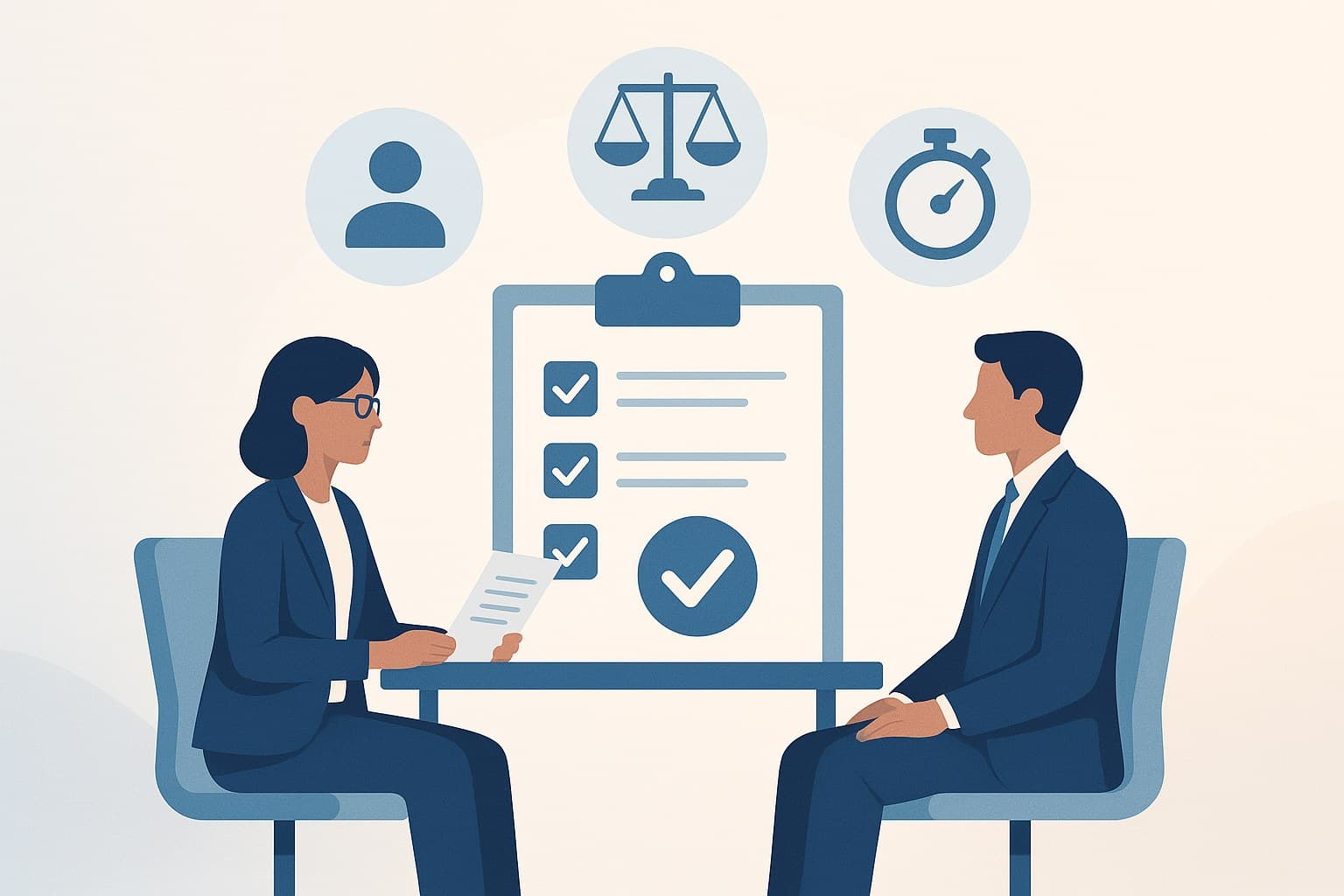
A standardized interview process refers to the use of consistent evaluation criteria that all interviewers follow when assessing candidates. This means that all candidates are asked the same set of questions, and their responses are evaluated using the same criteria. This process aims to eliminate any potential biases and subjectivity in the hiring decision, allowing for a fair and objective assessment of all candidates.
The Need for a Standardized Interview Process
The traditional interview process, where each interviewer asks different questions and uses their own evaluation criteria, can lead to inconsistent and biased candidate evaluations. This can result in the hiring of candidates who may not be the best fit for the position or the company, leading to high turnover rates and a negative impact on the company's bottom line.
Research has shown that unconscious biases can influence hiring decisions, leading to discrimination against certain groups of candidates. A study by the National Bureau of Economic Research found that resumes with "white-sounding" names were 50% more likely to receive a callback for an interview than those with "black-sounding" names. This highlights the need for a standardized interview process to eliminate any biases and ensure a fair evaluation of all candidates.
Moreover, a standardized interview process also helps to create a level playing field for all candidates, regardless of their background or previous experience. This is especially important for companies that are looking to increase diversity and inclusivity in their workforce. By using the same evaluation criteria for all candidates, companies can ensure that each candidate is given an equal opportunity to showcase their skills and qualifications.
Implementing a Standardized Interview Process
Creating a standardized interview process requires careful planning and collaboration between all members of the hiring team. The following are some key steps to follow when implementing a standardized interview process:
1. Define the Evaluation Criteria
The first step in creating a standardized interview process is to define the evaluation criteria for each position. This includes the required skills, qualifications, and attributes that the ideal candidate should possess. It is essential to involve all stakeholders in this process to ensure that the criteria are fair and relevant to the position.
2. Develop Interview Questions
Once the evaluation criteria have been defined, the next step is to develop a set of standardized interview questions. These questions should be designed to assess the candidate's qualifications, skills, and fit for the company culture. It is crucial to ensure that all interviewers ask the same questions to all candidates to maintain consistency.
3. Train Interviewers
To ensure that the standardized interview process is followed correctly, all interviewers should be trained on the evaluation criteria and the interview questions. This will help them understand the importance of consistency and objectivity in the hiring process and how to evaluate candidates based on the defined criteria.
4. Use a Scoring System
To further maintain consistency and objectivity, it is recommended to use a scoring system to evaluate candidates' responses. This can be a numerical rating or a scale of "excellent," "good," "fair," and "poor." The scoring system should be clearly defined and communicated to all interviewers to ensure that they use the same criteria when evaluating candidates.
5. Document the Process
It is crucial to document the standardized interview process to ensure that it is consistently followed for all candidates. This includes keeping records of the interview questions, evaluation criteria, and the scoring system. It can also help to identify any areas of improvement for future interviews.
The Benefits of a Standardized Interview Process
Implementing a standardized interview process can bring several benefits to a company, including:
- Increased objectivity and fairness in candidate evaluation
- A higher likelihood of hiring the best candidate for the position
- Improved diversity and inclusivity in the workforce
- Reduced turnover rates and associated costs
- A more efficient and streamlined hiring process
Conclusion
In today's diverse and inclusive work environment, companies must prioritize fairness and objectivity in their hiring processes. The use of a standardized interview process can help eliminate biases and ensure a fair evaluation of all candidates. By defining evaluation criteria, developing standardized interview questions, training interviewers, and using a scoring system, companies can maintain consistency and objectivity in their candidate evaluation. This will not only lead to a more diverse and inclusive workforce but also contribute to the company's overall success.
Frequently Asked Questions
Key questions often raised by business leaders and HR teams:
Why is a standardized interview process important?
A standardized interview process ensures fairness and objectivity in candidate evaluations, reducing biases that can affect hiring decisions.
What are the key steps to implement a standardized interview process?
Key steps include defining evaluation criteria, developing standardized questions, training interviewers, using a scoring system, and documenting the process.
How does a standardized interview process improve diversity?
By using consistent evaluation criteria, all candidates are given equal opportunities, which helps to create a more diverse and inclusive workforce.
What benefits does a standardized interview process provide?
Benefits include increased objectivity, higher chances of selecting the best candidate, improved diversity, reduced turnover rates, and a more efficient hiring process.