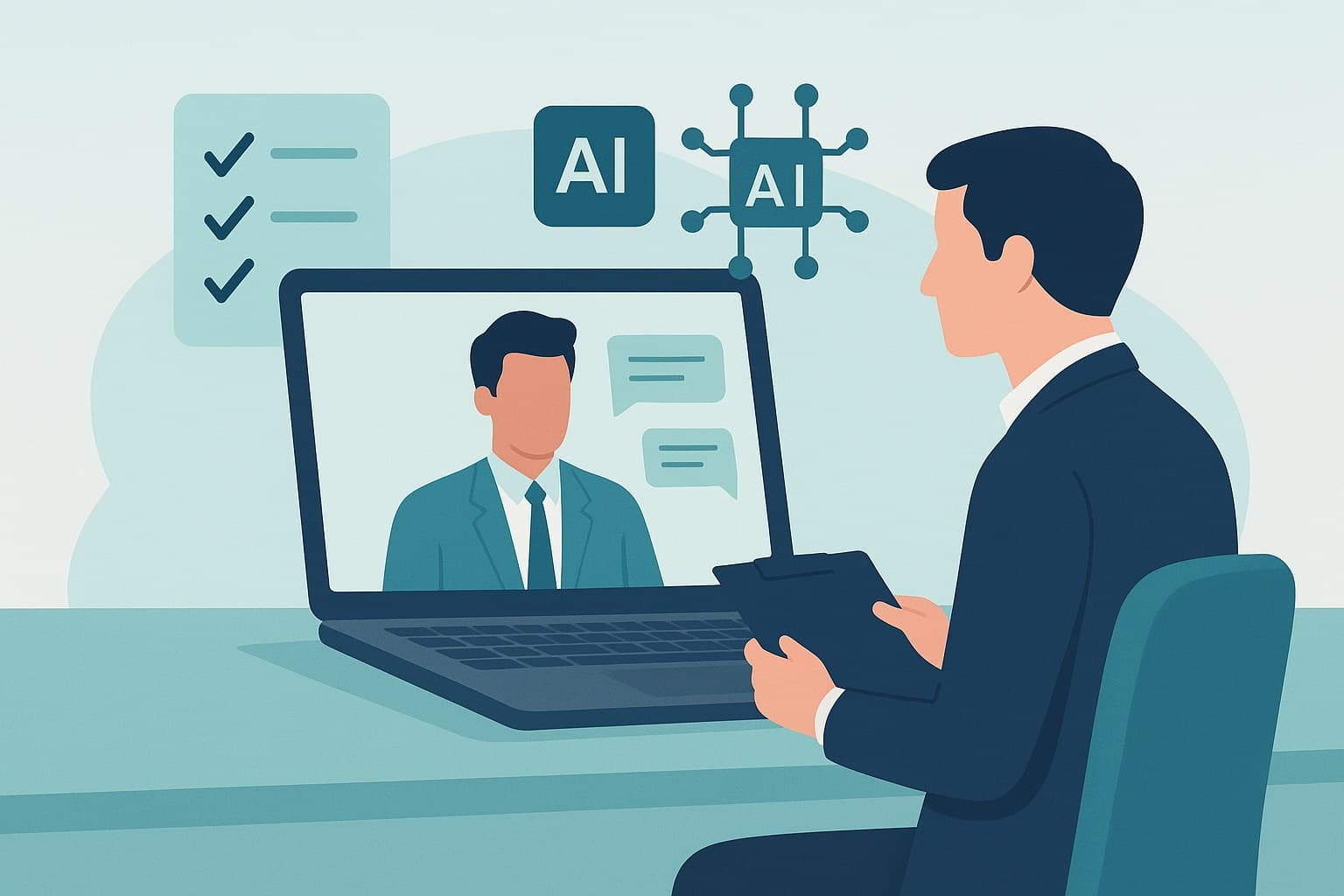
Unlocking the Potential of Structured AI Video Interviews in Recruitment
As businesses strive to innovate and enhance their recruitment processes, structured AI video interviews have emerged as a transformative tool. By leveraging artificial intelligence to streamline and augment video interviews, companies can improve hiring outcomes, enhance candidate experience, and achieve significant time and cost efficiencies. This article explores the dynamics of structured AI video interviews, their benefits, and actionable insights for businesses looking to incorporate this technology into their recruitment strategy.
Understanding Structured AI Video Interviews
Structured AI video interviews represent an evolution in the recruitment process, integrating artificial intelligence with video technology to conduct interviews. Unlike traditional interviews, these are asynchronous—a candidate records their responses to pre-set questions, and AI algorithms analyze these recordings for various parameters.
How It Works
- Question Design: Recruiters design a series of structured questions tailored to the role.
- Interview Recording: Candidates receive a link to the interview platform where they record their responses.
- AI Analysis: The AI evaluates video responses based on predefined criteria, such as speech patterns, sentiment analysis, and facial expressions.
- Feedback and Scoring: The system generates a report with scores and insights, aiding recruiters in decision-making.
Benefits of Structured AI Video Interviews
Enhanced Objectivity
AI-driven analysis reduces human biases that may inadvertently influence hiring decisions. By focusing on data-driven insights, these systems foster fairer assessments of candidates, irrespective of gender, ethnicity, or other biases that could skew evaluations.
Efficiency and Scalability
Conducting live interviews is resource-intensive. AI video interviews allow recruiters to conduct multiple interviews simultaneously, significantly reducing the time-to-hire and enabling the assessment of a larger pool of candidates efficiently.
Consistent Candidate Experience
Candidates can complete interviews at their convenience, reducing scheduling conflicts and improving the overall experience. This flexibility is particularly advantageous when interviewing across different time zones.
Data-Driven Insights
Structured AI video interviews provide recruiters with comprehensive data analytics. These insights include linguistic analysis, emotional intelligence scores, and personality traits, offering a multi-dimensional view of the candidate beyond the conventional resume and cover letter.
Real-World Data Points and Insights
Adoption Rates
According to a report by Gartner, 60% of organizations have started utilizing AI-driven tools in their recruitment process as of 2023, with structured AI video interviews being a prominent component of this trend.
Improved Hiring Metrics
A study conducted by the Society for Human Resource Management (SHRM) found that companies that implemented AI video interviews saw a 30% reduction in the average time-to-hire. Additionally, these companies reported a 20% increase in the retention rate of newly hired employees, attributed to better alignment with job requirements.
Cost Efficiency
Data from Deloitte indicates that organizations can save up to 50% on recruitment costs by integrating AI video interviews into their hiring process. The reduction in travel expenses, interview coordination, and administrative overhead contribute to these savings.
Challenges and Considerations
Technical Limitations
While AI technology has advanced significantly, challenges remain. For example, AI may misinterpret cultural or linguistic nuances, potentially affecting the accuracy of assessments. Continuous updates and training of AI models are crucial to mitigate these limitations.
Privacy Concerns
The use of AI in video interviews raises ethical and privacy concerns. Companies must ensure transparent data handling practices and comply with regulations such as GDPR to protect candidate information.
Candidate Perception
Some candidates may feel apprehensive about AI's role in evaluating their suitability for a role. Organizations should communicate the benefits and processes clearly to alleviate concerns and ensure candidates are comfortable with the technology.
Actionable B2B Takeaways
1. Implement Pilot Programs
Before full-scale implementation, conduct pilot programs to assess the effectiveness and gather feedback from both candidates and hiring managers. This step helps in fine-tuning the process and addressing any initial challenges.
2. Invest in Training
Provide training for HR teams to understand AI analysis reports. Equipping recruiters with the knowledge to interpret AI-generated data ensures informed decision-making and maximizes the value derived from the technology.
3. Enhance Question Framework
Design structured questions that align closely with job requirements and company culture. Clear, well-thought-out questions enhance the relevance and accuracy of AI assessments.
4. Prioritize Transparency and Communication
Maintain transparent communication with candidates about the role of AI in the interview process. Providing detailed information about how AI assessments work and their benefits can improve candidate acceptance and engagement.
5. Continuous Monitoring and Improvement
Regularly review and update AI models and interview frameworks based on feedback and advancements in technology. Continuous improvement ensures the AI system remains effective and aligned with organizational goals.
Conclusion
Structured AI video interviews are revolutionizing the recruitment landscape by offering a more efficient, objective, and data-driven approach to hiring. As businesses continue to navigate the complexities of talent acquisition, this technology presents a compelling case for adoption. By understanding its benefits, addressing challenges, and implementing strategic measures, organizations can harness the full potential of AI video interviews to enhance their recruitment outcomes and secure the right talent for their needs.
Frequently Asked Questions
Key questions often raised by business leaders and HR teams:
What are structured AI video interviews?
Structured AI video interviews are a modern recruitment tool that uses AI to analyze candidates' video responses to pre-set questions, enhancing objectivity and efficiency.
How do AI video interviews improve the hiring process?
They reduce biases, streamline the interview process, and provide data-driven insights, leading to faster hiring and better candidate alignment.
What challenges do companies face with AI video interviews?
Challenges include technical limitations, privacy concerns, and candidate apprehension about AI's role in evaluations.
How can businesses implement AI video interviews effectively?
Businesses should start with pilot programs, invest in training for HR teams, and maintain transparency with candidates regarding the AI process.
What benefits do AI video interviews offer to candidates?
Candidates benefit from the convenience of asynchronous interviews, a more consistent experience, and the opportunity to showcase their skills without scheduling conflicts.