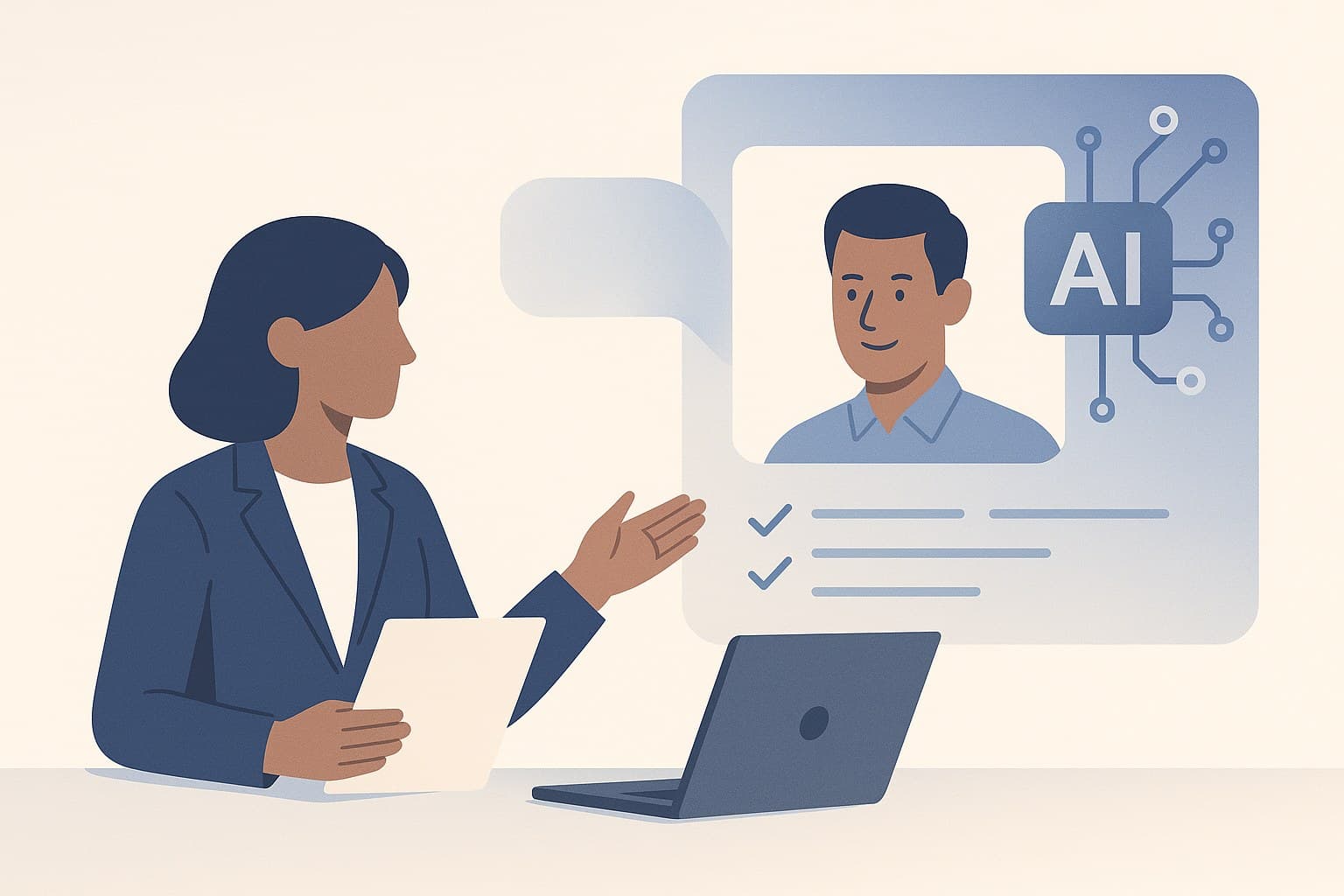
Title: Enhancing Talent Acquisition: Leveraging Assessment Blueprint AI for Interview Competency Mapping
In today's rapidly evolving business landscape, the race for top talent has never been more competitive. Companies are investing heavily in recruitment strategies to attract and retain the best candidates. However, the traditional interview process often falls short in accurately assessing a candidate's competencies and predicting their future performance. Enter Assessment Blueprint AI—a transformative approach to interview competency mapping that promises to revolutionize talent acquisition.
Understanding Assessment Blueprint AI
Assessment Blueprint AI leverages artificial intelligence to create a structured framework for evaluating candidates' competencies during interviews. This approach combines data-driven insights with human expertise, enabling organizations to make informed hiring decisions. By mapping competencies to specific roles, companies can ensure that they are selecting candidates who not only meet the job requirements but also align with the organization's culture and values.
The Role of Competency Mapping in Recruitment
Competency mapping involves identifying and defining the skills, knowledge, and behaviors required for a specific role. Traditionally, this has been a manual process, relying on subjective judgments and limited data. However, with the integration of AI, competency mapping becomes more precise and objective.
Assessment Blueprint AI uses machine learning algorithms to analyze vast amounts of data, including job descriptions, performance metrics, and industry trends. This analysis helps in defining a comprehensive set of competencies for each role. These competencies are then used to create interview questions and assessment criteria, ensuring a standardized and unbiased evaluation process.
Benefits for HR and Decision-Makers
-
Enhanced Accuracy and Objectivity: AI-driven competency mapping reduces human bias and subjectivity in the interview process. By relying on data and algorithms, companies can ensure a fair evaluation of all candidates, leading to more equitable hiring outcomes.
-
Improved Predictive Validity: Traditional interviews often fail to predict a candidate's future performance accurately. Assessment Blueprint AI enhances predictive validity by linking competencies to key performance indicators (KPIs). This ensures that selected candidates are more likely to succeed and thrive in their roles.
-
Time and Cost Efficiency: Automating the competency mapping process saves time and resources for HR teams. It streamlines the interview process, allowing recruiters to focus on high-value tasks such as candidate engagement and onboarding.
-
Scalability: As organizations grow, maintaining consistency in the interview process becomes challenging. Assessment Blueprint AI provides a scalable solution that can be easily adapted to different roles and departments, ensuring consistency across the organization.
-
Enhanced Candidate Experience: A structured and objective interview process enhances the candidate experience. Candidates appreciate transparency and fairness, which can positively impact the employer brand and attract top talent.
Implementing Assessment Blueprint AI in Your Organization
For HR leaders and decision-makers, implementing Assessment Blueprint AI involves several key steps:
-
Define Competencies: Begin by identifying the core competencies required for each role. Collaborate with department heads and subject matter experts to ensure a comprehensive understanding of the role's requirements.
-
Leverage AI Tools: Invest in AI-driven tools and platforms that support competency mapping. These tools should integrate with existing HR systems to streamline the recruitment process.
-
Train HR Teams: Provide training for HR teams on how to use AI tools effectively. Ensure that they understand the importance of data privacy and ethical considerations in AI-driven recruitment.
-
Monitor and Evaluate: Continuously monitor the effectiveness of the Assessment Blueprint AI approach. Collect feedback from candidates and hiring managers to identify areas for improvement.
-
Iterate and Improve: AI technologies are constantly evolving. Stay updated with the latest advancements and iterate your approach to incorporate new features and capabilities.
Challenges and Considerations
While Assessment Blueprint AI offers significant benefits, it is essential to be aware of potential challenges. Data privacy and ethical considerations are paramount. Organizations must ensure compliance with data protection regulations and maintain transparency with candidates regarding how their data is used.
Additionally, while AI can enhance objectivity, it is not infallible. Human oversight is crucial to ensure that AI-driven decisions align with organizational goals and values. A balanced approach that combines AI insights with human judgment is key to successful implementation.
Conclusion
Assessment Blueprint AI represents a paradigm shift in how organizations approach talent acquisition. By leveraging AI for interview competency mapping, companies can enhance the accuracy, efficiency, and fairness of their recruitment processes. For HR leaders and decision-makers, embracing this innovative approach is not just a competitive advantage—it is a strategic imperative in the quest to secure top talent and drive organizational success. As the business landscape continues to evolve, those who harness the power of AI in recruitment will be better positioned to thrive in the future of work.
Frequently Asked Questions
Key questions often raised by business leaders and HR teams:
What is Assessment Blueprint AI?
Assessment Blueprint AI is an innovative approach that uses artificial intelligence to enhance the competency mapping process during interviews.
How does AI improve the interview process?
AI reduces bias and enhances predictive validity by linking competencies to performance metrics, ensuring a fair and objective evaluation.
What are the benefits of implementing Assessment Blueprint AI?
Benefits include improved accuracy, time efficiency, scalability, and an enhanced candidate experience, leading to better hiring outcomes.