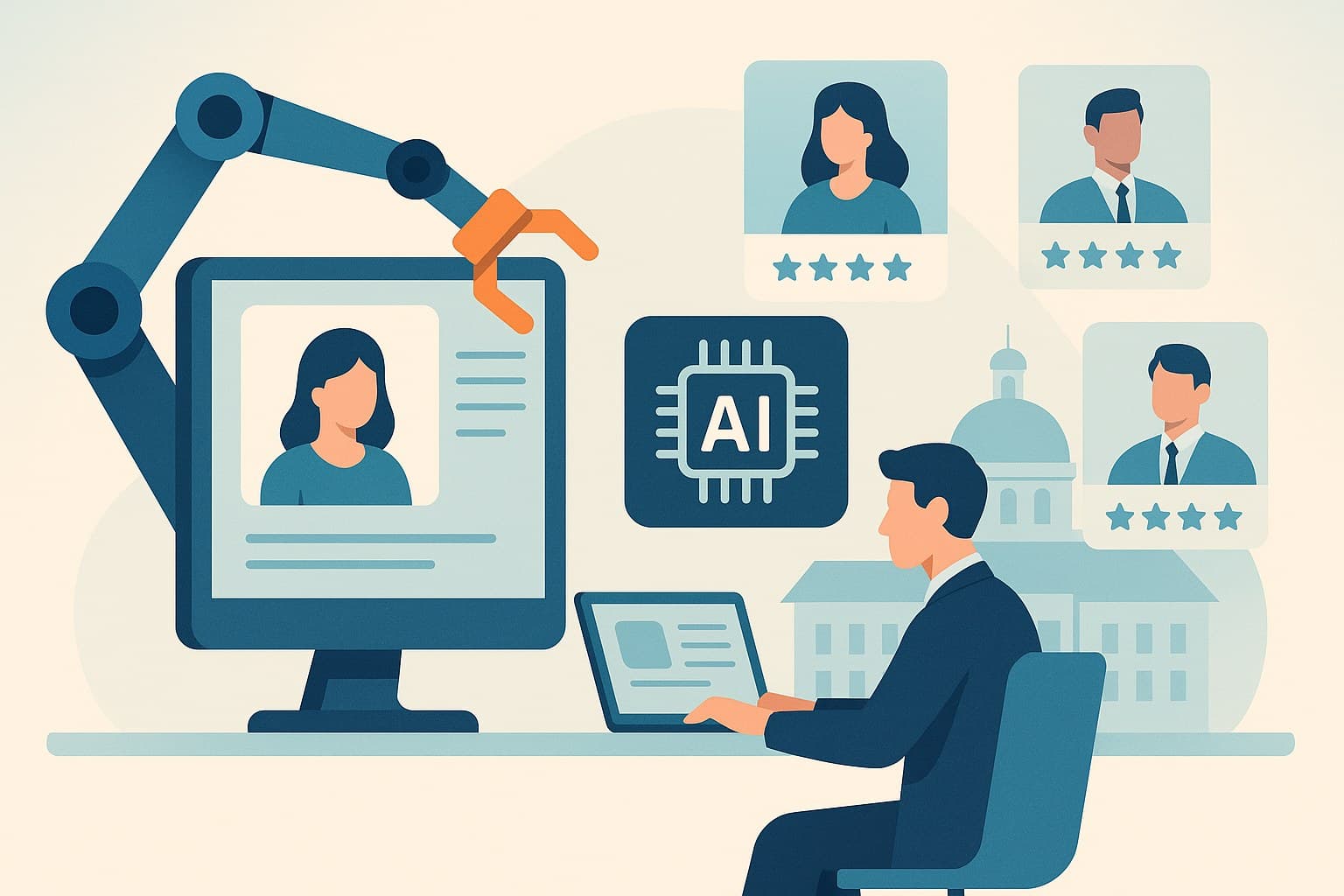
UGESP AI Interview Validation: Ensuring Fairness in the Hiring Process
The use of Artificial Intelligence (AI) tools in the hiring process has become increasingly popular in recent years. These tools promise to streamline the recruitment process, reduce bias, and improve the quality of hires. However, concerns have been raised about the potential for these tools to discriminate against protected groups, such as women and minorities.
To address these concerns, the Equal Employment Opportunity Commission (EEOC) has released guidance on the use of AI in hiring, specifically focusing on the Uniform Guidelines on Employee Selection Procedures (UGESP). This guidance stresses the importance of auditing and monitoring the use of AI tools to ensure they do not adversely impact protected groups. In this article, we will delve into the concept of UGESP AI interview validation and its implications for businesses.
What is UGESP AI Interview Validation?
UGESP AI interview validation is a process of evaluating the effectiveness and fairness of AI tools used in the hiring process. It involves auditing and monitoring the AI algorithms to ensure they do not discriminate against protected groups. This process is essential as it helps businesses identify and address any potential biases in their hiring practices.
The UGESP is a set of guidelines designed to assist employers in complying with federal regulations against employment discrimination. These guidelines were first published in 1978 and have been updated periodically to keep up with advancements in technology and changes in the workforce. The most recent update was in 2014, which included new provisions related to the use of AI in hiring.
Why is UGESP AI Interview Validation Important?
The use of AI in hiring has raised concerns about fairness and potential bias in the recruitment process. AI tools are trained on historical data, which may contain biases and perpetuate them in the hiring process. For example, if the data used to train the AI is biased against women or minorities, the tool may unintentionally discriminate against these groups.
Moreover, AI tools can also be affected by biased programming or human bias in the data used to train them. This can lead to discriminatory outcomes, even if the tool itself is not inherently biased. As a result, it is essential for businesses to conduct regular UGESP AI interview validation to ensure fairness in the hiring process.
The Role of EEOC in UGESP AI Interview Validation
The EEOC is responsible for enforcing federal laws that prohibit employment discrimination. In recent years, the EEOC has been actively monitoring the use of AI in hiring and has released guidance for employers on how to ensure their AI tools comply with anti-discrimination laws.
The EEOC's guidance on UGESP AI interview validation includes recommendations for employers, such as conducting regular audits of AI tools, providing transparency in the use of AI, and ensuring that any data used to train AI is free from bias. The EEOC also stresses the importance of ongoing monitoring and evaluation of AI tools to identify and correct any potential biases.
Challenges in UGESP AI Interview Validation
Conducting UGESP AI interview validation is not without its challenges. One major challenge is the lack of diversity in the tech industry. The majority of AI developers and programmers are male and from non-minority groups, which can result in a lack of understanding of the potential biases that may be present in AI algorithms.
Furthermore, the lack of regulation and standardization in the AI industry makes it difficult to evaluate the fairness and effectiveness of AI tools. This can make it challenging for businesses to identify and address any potential biases in their AI tools.
Best Practices for UGESP AI Interview Validation
To ensure fairness in the hiring process, businesses must adopt best practices for UGESP AI interview validation. These include:
- Conducting regular audits and evaluations of AI tools to identify any potential biases.
- Ensuring transparency in the use of AI and providing clear explanations of how AI is used in the hiring process.
- Using diverse and unbiased data to train AI algorithms.
- Providing opportunities for feedback and complaints from job applicants who feel they may have been discriminated against by AI tools.
- Regularly updating and improving AI tools to address any identified biases.
By following these best practices, businesses can ensure that their AI tools are fair and effective in the hiring process.
The Future of UGESP AI Interview Validation
As technology continues to advance, the use of AI in hiring is likely to become more prevalent. It is essential for businesses to stay updated on the latest guidelines and recommendations from the EEOC regarding the use of AI in hiring. Additionally, businesses must continue to prioritize UGESP AI interview validation to ensure fairness in the recruitment process.
Furthermore, as the tech industry becomes more diverse, it is crucial for businesses to prioritize diversity and inclusion in their hiring practices. This can help reduce the potential for bias in AI algorithms and create a more fair and inclusive hiring process.
Conclusion
UGESP AI interview validation is a crucial step in ensuring fairness and reducing bias in the hiring process. By following best practices and regularly evaluating AI tools, businesses can ensure that their recruitment process is fair and inclusive for all job applicants. As technology continues to advance, it is essential for businesses to stay updated and prioritize diversity and inclusion in their hiring practices. Let's work towards creating a more fair and equal hiring process for all.
Frequently Asked Questions
Key questions often raised by business leaders and HR teams:
What is UGESP AI interview validation?
UGESP AI interview validation is the process of evaluating AI tools used in hiring to ensure they do not discriminate against protected groups.
Why is UGESP AI interview validation important?
It is crucial to identify and address potential biases in AI algorithms that could affect the fairness of the hiring process.
What role does the EEOC play in this process?
The EEOC provides guidance on the use of AI in hiring and recommends regular audits and transparency to ensure compliance with anti-discrimination laws.
What are some best practices for UGESP AI interview validation?
Best practices include conducting regular audits, using diverse data for training, and ensuring transparency in AI usage.
How can businesses reduce bias in AI tools?
By prioritizing diversity in tech teams and continuously updating AI tools based on feedback and evaluations.