Validating AI Hiring Thresholds: A Guide for Business Decision-Makers and HR Leaders
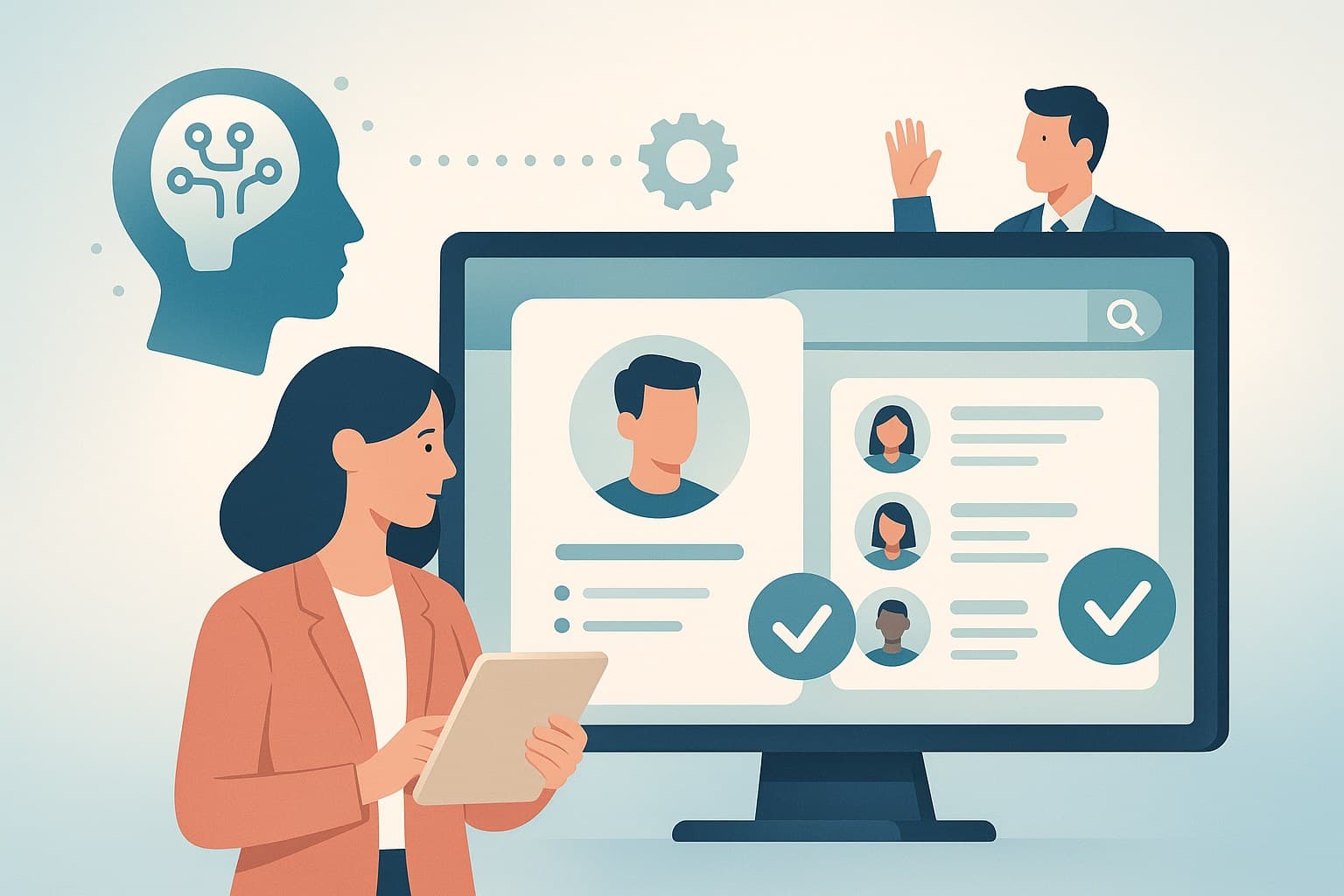
In recent years, the integration of artificial intelligence (AI) in recruitment processes has revolutionized how organizations identify and select top talent. As this technology becomes increasingly prevalent, the concept of AI hiring thresholds has emerged as a critical consideration for business decision-makers and HR leaders. AI hiring thresholds refer to the predefined criteria that AI systems use to evaluate and shortlist candidates. Ensuring these thresholds are effectively validated is essential to maximizing the benefits of AI in hiring while minimizing potential biases and errors. This article explores the importance of AI hiring threshold validation and provides actionable insights for HR leaders and decision-makers.
Understanding AI Hiring Thresholds
AI hiring thresholds are parameters set within AI systems that determine which candidates pass through various stages of the hiring process. These thresholds can be based on qualifications, skills, experiences, or other metrics deemed relevant for a particular role. For instance, an AI system might be programmed to prioritize candidates with a specific level of education or a certain number of years of relevant experience.
While AI can significantly streamline the recruitment process by rapidly sifting through large volumes of applications, setting inappropriate thresholds can lead to various issues. These include inadvertently excluding qualified candidates, perpetuating existing biases, and undermining diversity and inclusion efforts.
The Importance of Validating AI Hiring Thresholds
-
Ensuring Fairness and Equity
AI systems are only as unbiased as the data and criteria they are built upon. If the thresholds are not adequately validated, there's a risk of reinforcing societal biases present in the training data. Validation helps ensure that all candidates are assessed fairly and equitably, regardless of their background.
-
Enhancing Diversity and Inclusion
Validating AI thresholds plays a crucial role in promoting diversity and inclusion within an organization. Unvalidated thresholds may inadvertently favor certain demographics over others. By regularly reviewing and adjusting these thresholds, organizations can ensure a more diverse pool of candidates progresses through the hiring process.
-
Improving Hiring Accuracy
Accurate validation of AI thresholds ensures that the most suitable candidates are shortlisted, improving the overall quality of hires. This process helps align AI assessments with the company's strategic goals and the specific requirements of each role.
-
Building Trust in AI Systems
For AI hiring solutions to be successful, stakeholders must trust their reliability and fairness. Transparent validation processes foster trust among employees, candidates, and the public, demonstrating the organization's commitment to ethical AI use.
Steps to Validate AI Hiring Thresholds
-
Define Clear Objectives
Start by defining what success looks like in your hiring process. What qualifications and skills are truly necessary for the roles you are hiring for? Clearly defined objectives will guide the validation process and ensure that thresholds align with organizational goals.
-
Analyze Historical Data
Review historical hiring data to understand past decisions and outcomes. This analysis can reveal patterns and potential biases in previous selections, providing a baseline for setting and adjusting AI thresholds.
-
Engage Diverse Stakeholders
Involve a diverse group of stakeholders, including HR professionals, data scientists, and representatives from various departments, to provide input and feedback on threshold settings. This diversity of perspectives can help identify potential biases and ensure well-rounded decision-making.
-
Implement Continuous Monitoring
AI systems and the labor market are both dynamic. Regularly monitor and assess the performance of AI thresholds against real-world outcomes. Continuous monitoring allows for timely adjustments to align with changing job requirements and market conditions.
-
Conduct Bias Audits
Regularly conduct bias audits to identify and mitigate any unintended biases introduced by AI systems. These audits should assess how different demographic groups are affected by the thresholds and recommend necessary adjustments.
-
Test and Iterate
Before fully deploying AI thresholds, conduct pilot tests to evaluate their effectiveness. Use these tests to gather data and insights, and iterate on the thresholds to improve accuracy and fairness.
-
Provide Transparency and Training
Be transparent with candidates and employees about how AI systems are used in hiring. Offering training and information sessions can help demystify the technology and ensure everyone understands its role and limitations.
Challenges in AI Hiring Threshold Validation
While the benefits of validating AI hiring thresholds are clear, organizations may face several challenges:
-
Data Limitations: Access to high-quality, unbiased data is essential for effective validation. Organizations may struggle with limited data or data that reflects existing biases.
-
Resource Constraints: Validating thresholds requires time, expertise, and resources, which may be constrained in some organizations.
-
Regulatory Compliance: Ensuring compliance with legal and regulatory standards regarding AI use in hiring can be complex and requires ongoing attention.
Conclusion
As AI continues to transform the recruitment landscape, validating AI hiring thresholds becomes an indispensable practice for business decision-makers and HR leaders. By ensuring that these thresholds are fair, inclusive, and aligned with organizational goals, companies can harness the full potential of AI in recruitment. This not only leads to more effective and equitable hiring practices but also strengthens the organization's reputation as a progressive and responsible employer. Investing in threshold validation today lays the groundwork for a more diverse, talented, and successful workforce tomorrow.
Frequently Asked Questions
Key questions often raised by business leaders and HR teams:
What are AI hiring thresholds?
AI hiring thresholds are predefined criteria used by AI systems to evaluate and shortlist candidates based on qualifications and skills.
Why is it important to validate AI hiring thresholds?
Validating AI hiring thresholds ensures fairness, enhances diversity, improves hiring accuracy, and builds trust in AI systems.
What steps can organizations take to validate AI hiring thresholds?
Organizations can define clear objectives, analyze historical data, engage diverse stakeholders, and conduct bias audits among other steps.
What challenges do organizations face in validating AI hiring thresholds?
Challenges include data limitations, resource constraints, and ensuring compliance with regulatory standards.