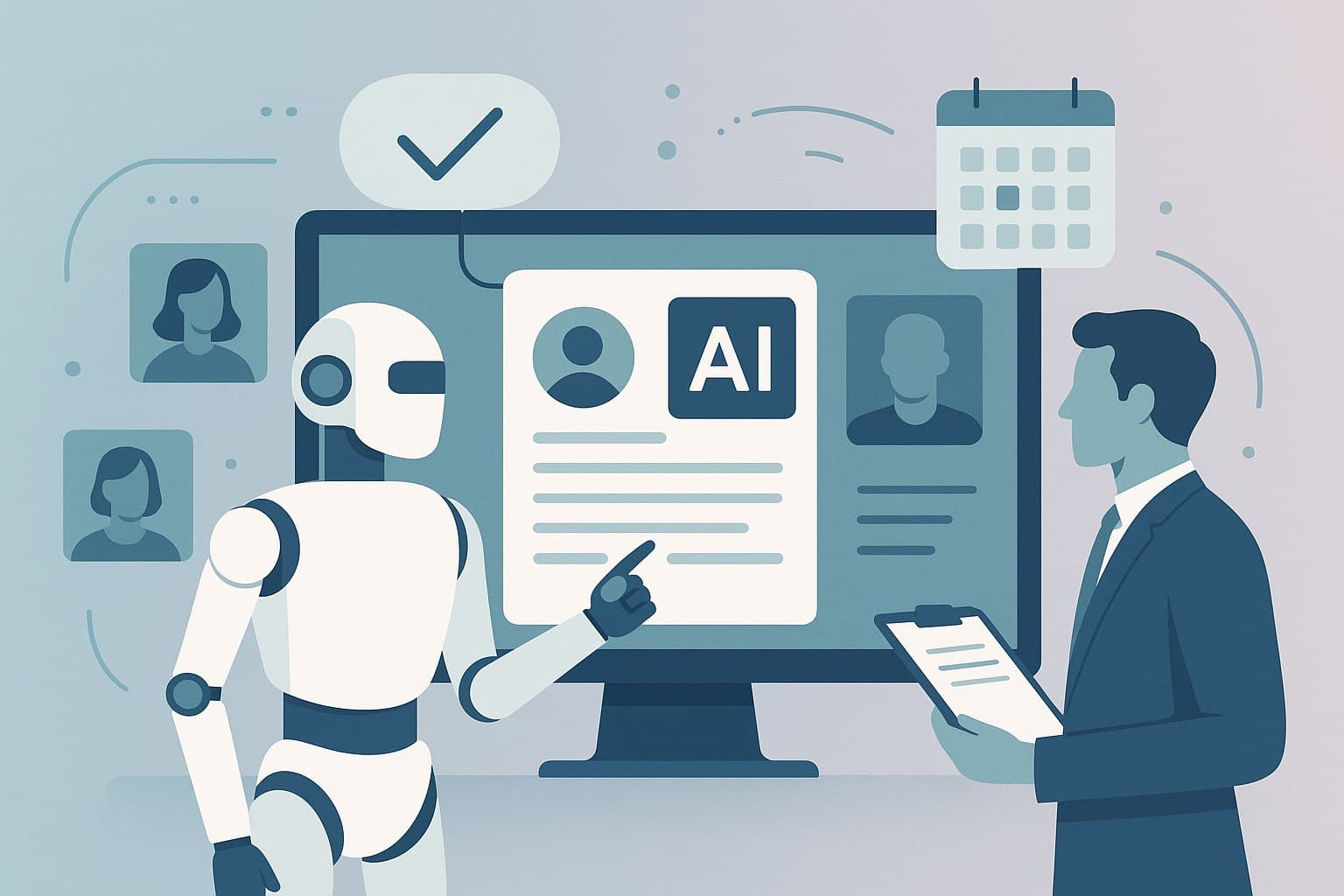
Title: Validating AI Interview Scoring Rubric for Effective Talent Acquisition
Introduction
In the rapidly evolving landscape of talent acquisition, artificial intelligence (AI) has emerged as a transformative force, particularly in the realm of interview scoring. As organizations strive to enhance their recruitment processes, AI-driven solutions offer unprecedented opportunities for efficiency and objectivity. However, the implementation of AI in interview scoring necessitates a thorough validation of the scoring rubric to ensure fairness, accuracy, and reliability. This article explores the critical components of validating an AI interview scoring rubric and its implications for HR leaders and corporate decision-makers.
The Role of AI in Interview Scoring
AI technologies, such as natural language processing (NLP) and machine learning algorithms, are increasingly utilized to assess candidate interviews. These systems analyze verbal and non-verbal cues, evaluate responses, and assign scores based on predefined criteria. The advantages of AI interview scoring include reduced bias, increased consistency, and the ability to process large volumes of data swiftly. However, the effectiveness of these systems hinges on the validity of the underlying scoring rubric.
Understanding the AI Interview Scoring Rubric
An AI interview scoring rubric is a set of guidelines that determine how candidate responses are evaluated and scored. The rubric typically includes criteria such as communication skills, problem-solving ability, teamwork, and cultural fit. Each criterion is assigned a weight, and the AI system uses these parameters to generate a composite score for each candidate.
The Importance of Validation
Validation is a critical step in ensuring that the AI scoring rubric is both effective and equitable. Without proper validation, AI systems risk perpetuating biases or producing inaccurate assessments, ultimately affecting the quality of hires. Validation involves verifying that the rubric accurately measures the desired competencies and that it is applied consistently across all candidates.
Key Steps in Validating an AI Interview Scoring Rubric
-
Define Clear Objectives: Begin by articulating the specific competencies and attributes that the rubric aims to measure. These objectives should align with the organization’s strategic goals and the specific requirements of the job role.
-
Ensure Comprehensive Criteria: The rubric should encompass a broad range of skills and competencies relevant to the position. Criteria should be clearly defined and measurable, reducing ambiguity and ensuring that the AI system can accurately interpret candidate responses.
-
Test for Bias: Conduct rigorous testing to identify any potential biases embedded in the rubric. This includes analyzing whether the rubric disproportionately favors or disadvantages certain groups based on gender, race, or other characteristics. Addressing bias is crucial to maintaining fairness and diversity in the hiring process.
-
Pilot Testing: Implement the rubric in a controlled setting before full deployment. Use a sample of interviews to test the system’s performance and gather feedback from recruiters and candidates. Pilot testing helps identify any discrepancies or issues that need to be addressed.
-
Continuous Monitoring and Improvement: Validation is an ongoing process. Regularly review the rubric’s effectiveness by analyzing hiring outcomes and gathering feedback from hiring managers. Use this data to make iterative improvements to the rubric and AI algorithms.
-
Engage Stakeholders: Involve key stakeholders, including HR professionals, hiring managers, and data scientists, in the validation process. Their insights and expertise are invaluable in refining the rubric and ensuring its alignment with organizational needs.
Challenges and Considerations
While AI interview scoring presents significant advantages, it also poses challenges that must be addressed. One concern is the transparency of AI systems. Decision-makers must ensure that the rationale behind AI-generated scores is clear and understandable to both recruiters and candidates. This transparency fosters trust and acceptance of AI-driven decisions.
Moreover, organizations must consider the ethical implications of AI in recruitment. Maintaining candidate privacy and data security is paramount, as is ensuring compliance with relevant legal and regulatory standards.
Implications for HR Leaders and Decision-Makers
For HR leaders and corporate decision-makers, validating the AI interview scoring rubric is not merely a technical exercise—it is a strategic imperative. A validated rubric enhances the quality of hires, reduces the risk of bias, and contributes to a fairer and more efficient recruitment process. By investing in rigorous validation, organizations can harness the full potential of AI to build diverse, high-performing teams.
Furthermore, validated AI systems can significantly reduce the time and resources spent on recruitment, allowing HR teams to focus on strategic initiatives and employee development. This shift not only improves operational efficiency but also positions the organization as a forward-thinking employer of choice.
Conclusion
As AI continues to reshape the recruitment landscape, validating the AI interview scoring rubric is essential for leveraging its benefits while mitigating risks. By following a structured validation process, organizations can ensure that their AI systems deliver accurate, unbiased, and reliable assessments. For HR leaders and corporate decision-makers, embracing validated AI technologies is a critical step toward achieving strategic talent acquisition goals and securing a competitive advantage in the talent market.
Frequently Asked Questions
Key questions often raised by business leaders and HR teams:
What is an AI interview scoring rubric?
An AI interview scoring rubric is a set of guidelines used to evaluate and score candidate responses during interviews, focusing on various competencies.
Why is validation important for AI scoring rubrics?
Validation ensures that the scoring rubric accurately measures desired competencies and is applied consistently, reducing bias and improving hiring quality.
How can organizations test for bias in their AI systems?
Organizations can conduct rigorous testing to analyze the rubric for potential biases, ensuring it does not favor or disadvantage specific groups.
What role do stakeholders play in validating the rubric?
Stakeholders, including HR professionals and data scientists, provide valuable insights that help refine the rubric and align it with organizational needs.
What are the challenges of using AI in recruitment?
Challenges include ensuring transparency of AI decisions and addressing ethical implications related to candidate privacy and data security.