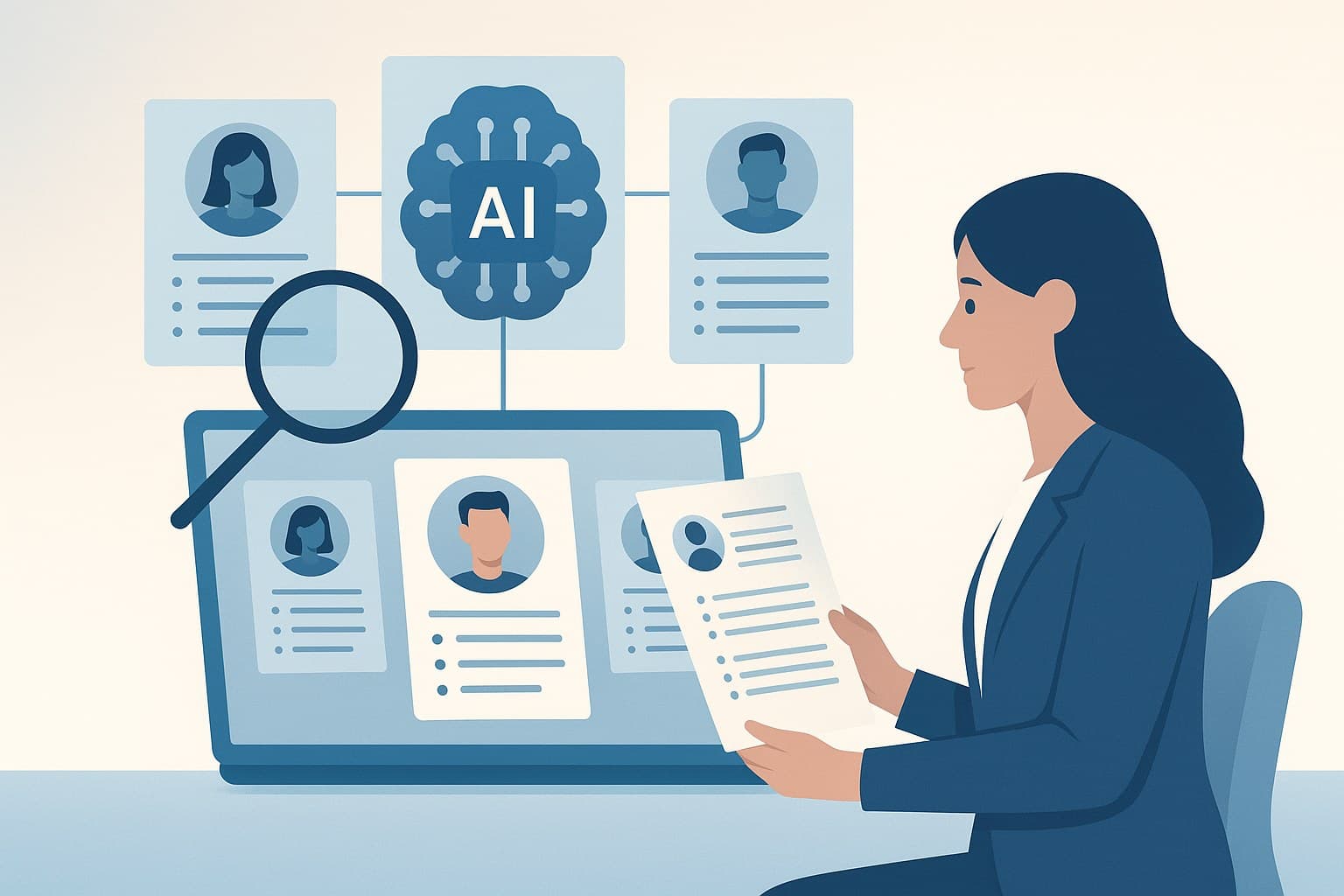
Vendor Lock-In vs Lock Out: Understanding Data Portability in AI Hiring Contracts
In today's business landscape, data is often referred to as the "new oil" - a valuable resource that fuels growth and innovation. And with the rise of artificial intelligence (AI) technology, businesses are increasingly relying on data to inform their decision-making processes. However, there is a growing concern about data portability and how it affects vendor lock-in in AI hiring contracts.
Vendor lock-in is a term used to describe the situation where a company is dependent on a particular vendor for products or services and is unable to switch to another vendor without significant costs or disruption. In the context of AI hiring contracts, this can have significant implications for data portability and the control a company has over its own data. In this article, we will delve into the concept of vendor lock-in, its impact on data portability in AI hiring contracts, and how businesses can navigate these challenges.
The Rise of AI and Vendor Lock-In
As AI technology continues to advance and businesses increasingly rely on it to streamline processes and make data-driven decisions, the risk of vendor lock-in is becoming more prevalent. This is because AI systems are often built on proprietary algorithms and technologies, making it difficult for companies to switch to a different provider without significant costs.
Moreover, AI systems require a large amount of data to train and improve their algorithms, making data portability a crucial factor in AI hiring contracts. The inability to easily transfer data can result in businesses being locked into a particular AI provider, limiting their ability to explore other options or negotiate better terms.
Understanding Data Portability in AI Hiring Contracts
Data portability refers to the ability to transfer data between different systems or platforms. In the context of AI hiring contracts, this means the ability to transfer data from one AI system to another without any significant barriers or costs. Data portability is essential for businesses as it gives them the freedom to switch to a different AI provider if needed, without losing their valuable data.
However, in reality, data portability in AI hiring contracts is often hindered by a lack of standardization and interoperability between different AI systems. This means that transferring data from one system to another can be a complex and time-consuming process, making it difficult for businesses to switch AI providers.
The Impact of Vendor Lock-In on Data Portability
Vendor lock-in in AI hiring contracts can have a significant impact on data portability. As businesses become dependent on a particular AI provider, they may face challenges in transferring their data to a new provider. This can result in businesses being unable to take advantage of better terms or technologies offered by other AI providers, limiting their ability to innovate and stay competitive.
Moreover, vendor lock-in can also limit a company's control over its own data. This is because AI providers often have access to large amounts of data collected from their clients, which they can use for their own purposes. This lack of control over their data can pose a significant risk to businesses, especially in terms of data privacy and security.
Navigating Vendor Lock-In and Data Portability Challenges
So, what can businesses do to navigate the challenges of vendor lock-in and data portability in AI hiring contracts? Here are a few strategies that can help:
- Conduct thorough research and due diligence before entering into an AI hiring contract. This includes understanding the terms and conditions related to data ownership and portability.
- Negotiate for data portability clauses in the contract. This can include provisions for standardization and interoperability between different AI systems.
- Explore open-source AI solutions that offer more flexibility and control over data.
- Invest in data management strategies and tools that can help businesses better manage and transfer their data.
Conclusion: The Importance of Data Portability in AI Hiring Contracts
In conclusion, vendor lock-in in AI hiring contracts can have a significant impact on data portability, limiting a company's ability to switch AI providers and control their own data. As AI technology continues to advance, it is crucial for businesses to understand the implications of vendor lock-in and take proactive measures to ensure data portability. By investing in the right strategies and tools, businesses can navigate these challenges and harness the power of AI without being locked into a single provider.
Sources:
Frequently Asked Questions
Key questions often raised by business leaders and HR teams:
What is vendor lock-in?
Vendor lock-in occurs when a company becomes dependent on a specific vendor, making it hard to switch providers without incurring significant costs.
Why is data portability important in AI hiring contracts?
Data portability allows businesses to transfer their data between different AI systems, enabling them to switch providers without losing valuable information.
How can businesses avoid vendor lock-in?
Businesses can avoid vendor lock-in by negotiating data portability clauses in contracts, conducting thorough research, and exploring open-source solutions.
What challenges does vendor lock-in pose?
Vendor lock-in can limit a company's control over its data, hinder innovation, and prevent access to better technologies offered by other providers.
What strategies can help with data management?
Investing in data management tools and strategies can help businesses better manage their data and facilitate easier transfers between AI systems.