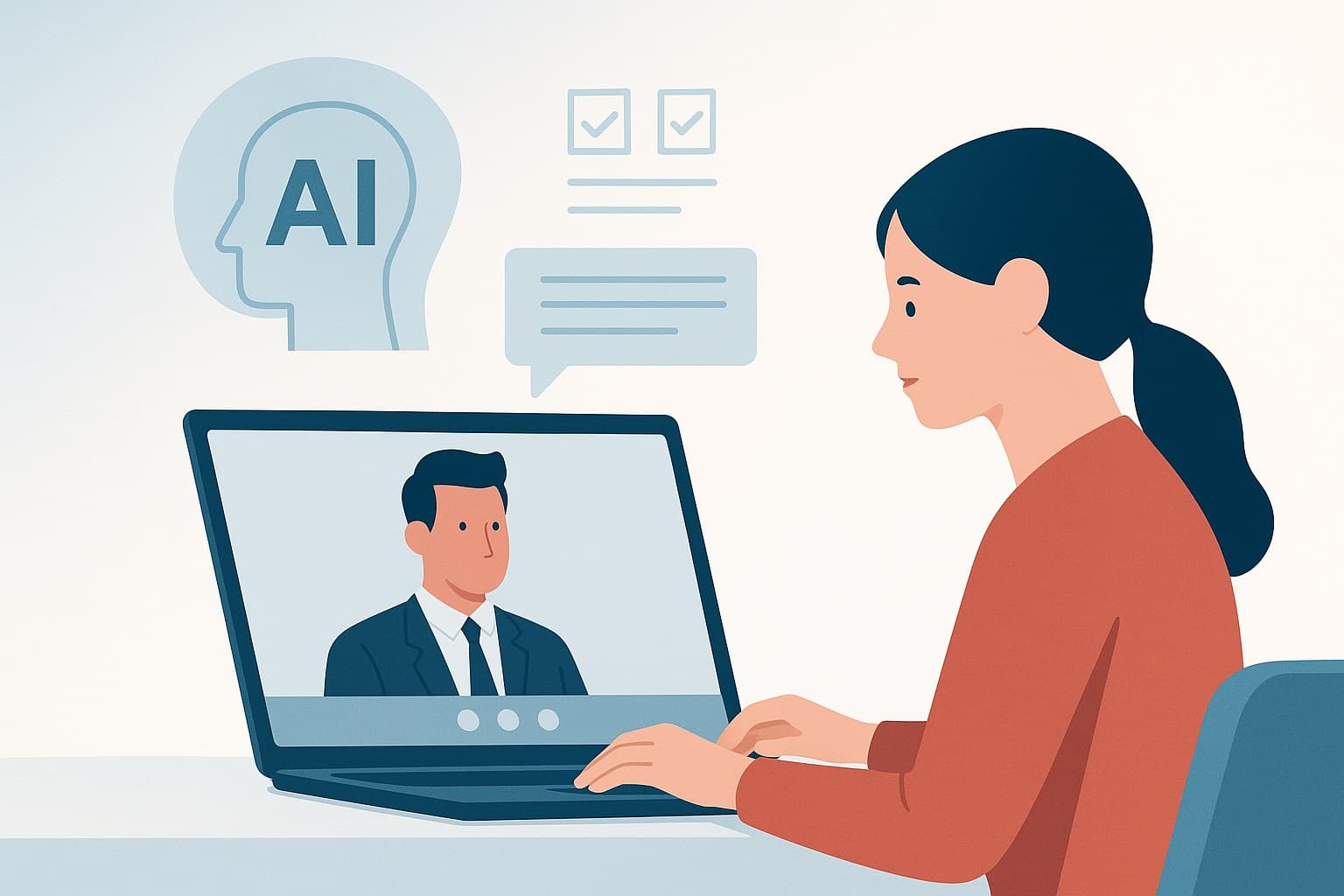
Vendor Portability AI Interview Exit Risk: Mitigating the Dangers of Vendor Lock-In
With the rise of artificial intelligence (AI) in various industries, companies are increasingly relying on third-party AI offerings to streamline operations, automate customer support, and enhance overall performance. However, this growing dependence on AI also brings with it the risk of vendor lock-in, which can lead to significant problems for businesses in the long run.
In this article, we will delve into the concept of vendor portability AI interview exit risk, exploring its potential dangers and providing insights on how businesses can mitigate this risk. Based on extensive research and industry insights, we will uncover the key issues surrounding vendor lock-in and offer practical solutions for companies to safeguard themselves against it.
Understanding Vendor Lock-In in AI
Vendor lock-in refers to a situation where a company becomes heavily dependent on a particular vendor for a product or service. In the context of AI, this means that a company is reliant on a specific AI provider for its AI needs, and switching to another vendor becomes challenging or even impossible.
This dependence on a single vendor can pose significant risks to a business, including lack of flexibility, increased costs, and loss of control over data and processes. In the case of AI, vendor lock-in can also lead to a lack of innovation and stagnation in the use of AI technology.
The Role of Portability, Interoperability, and Exit Strategies
To mitigate the dangers of vendor lock-in, companies need to focus on three key elements: portability, interoperability, and exit strategies.
Portability
Portability in the context of AI refers to the ability to transfer data and processes from one AI provider to another without significant disruptions or loss of functionality. This includes the ability to move AI models, algorithms, and data sets to a new provider seamlessly.
However, achieving true portability can be challenging, as it requires standardization of AI models and algorithms across different vendors. Currently, there is no universally accepted standard for AI, making it difficult for companies to switch between providers.
Interoperability
Interoperability refers to the ability of different AI systems to communicate and work together seamlessly. In the context of vendor lock-in, interoperability is crucial as it allows companies to integrate different AI offerings from multiple vendors.
To achieve interoperability, companies need to focus on standardization and ensure that their AI systems can communicate and share data with each other. This will enable companies to switch between vendors more easily and avoid getting locked into a single provider.
Exit Strategies
Exit strategies refer to the plans and processes put in place by a company to switch from one AI provider to another. This includes having a clear understanding of the terms and conditions of the contract with the current vendor, as well as identifying potential challenges and risks associated with switching to a new provider.
Having a well-defined exit strategy can help companies mitigate the risks of vendor lock-in by providing a clear roadmap for switching to a new vendor when needed.
Vendor Portability AI Interview Exit Risk: The Dangers and Solutions
Now that we have a better understanding of the key elements involved in mitigating vendor lock-in, let's explore the specific risks and solutions related to vendor portability AI interview exit risk.
Risk: Limited Access to Data and Processes
One of the key dangers of vendor lock-in is that it restricts a company's access to its own data and processes. This can happen when the AI provider owns the data and algorithms used in the company's AI system, making it difficult for the company to switch to a new provider without losing its data.
Solution: Ownership and Control of Data
To mitigate this risk, companies should ensure that they have ownership and control over their data and processes. This can be achieved by negotiating clear terms in the contract with the AI provider, stating that the company retains ownership of its data and has the right to transfer it to a new provider if needed.
Risk: Lack of Flexibility and Innovation
Vendor lock-in can also limit a company's flexibility and hinder its ability to innovate. This is because companies are bound by the capabilities and limitations of their AI provider, making it challenging to incorporate new and emerging AI technologies.
Solution: Multi-Vendor Strategy
One solution to this risk is to adopt a multi-vendor strategy for AI. This involves using different AI providers for different tasks, allowing companies to tap into the strengths of each provider and avoid getting locked into a single vendor. This strategy also promotes healthy competition among vendors, driving innovation and advancement in AI technology.
Risk: Compliance and Legal Issues
Another significant risk of vendor lock-in is the potential for compliance and legal issues. This is particularly crucial in industries where regulatory compliance is a top priority, such as healthcare and finance.
Solution: AI Verify Governance
To mitigate this risk, companies can opt for AI offerings that have been validated and audited by third-party organizations. One such platform is MIND Interview, an enterprise-grade AI recruitment platform that is AI Verify governance compliant. This means that the platform has been tested for bias and meets regulatory compliance standards, providing companies with a more secure and compliant AI solution.
Conclusion: Safeguarding Your Business Against Vendor Lock-In
Vendor lock-in can have serious consequences for businesses, including limited access to data, lack of flexibility and innovation, and compliance and legal issues. To safeguard against these risks, companies need to focus on portability, interoperability, and exit strategies when adopting AI solutions.
By incorporating these elements into their AI strategy and opting for AI offerings that promote portability and interoperability, companies can mitigate the dangers of vendor lock-in and ensure a more secure and flexible AI infrastructure for their business.
If you're looking for an AI recruitment platform that prioritizes vendor portability and offers AI Verify governance compliance, check out MIND Interview. With features such as AI resume analysis, structured asynchronous AI video interviews, and multilingual hiring capabilities, MIND Interview can help streamline your recruitment process and mitigate the risks of vendor lock-in. Visit https://www.mind-interview.com/en/ to learn more.
Frequently Asked Questions
Key questions often raised by business leaders and HR teams:
What is vendor lock-in in AI?
Vendor lock-in in AI refers to a situation where a company becomes overly dependent on a single AI provider, making it difficult to switch to another vendor.
How can companies mitigate vendor lock-in risks?
Companies can mitigate vendor lock-in risks by focusing on portability, interoperability, and having well-defined exit strategies.
What are exit strategies in the context of AI?
Exit strategies are plans and processes that companies put in place to switch from one AI provider to another, ensuring a smooth transition.
Why is data ownership important in avoiding vendor lock-in?
Data ownership is crucial because it allows companies to retain control over their data and processes, facilitating easier transitions between AI providers.
What is a multi-vendor strategy?
A multi-vendor strategy involves using different AI providers for various tasks, allowing companies to leverage the strengths of each and reduce the risk of vendor lock-in.