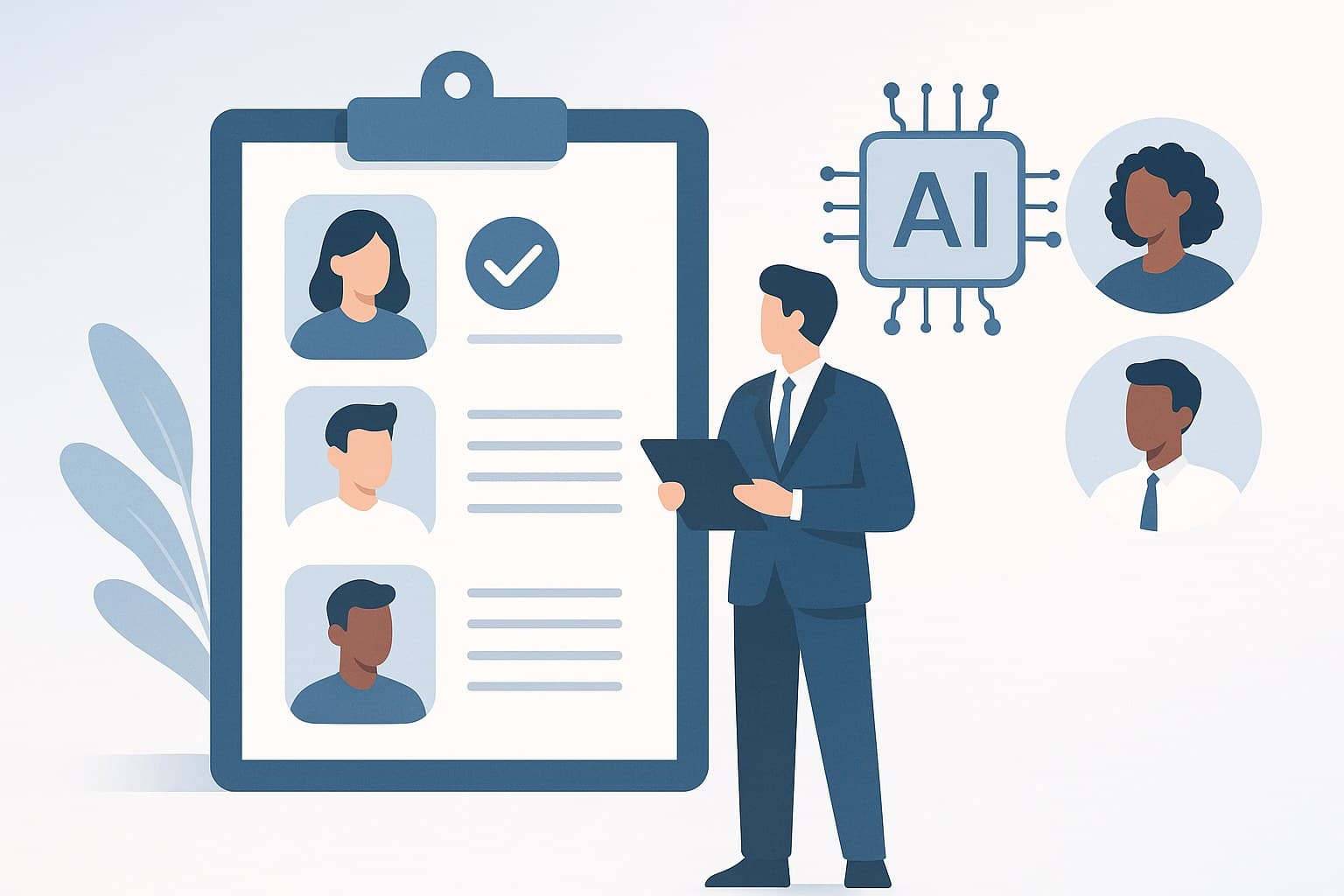
Video-Derived Big Five Validation: Measuring Personality Through Images
Personality is a complex concept that plays a crucial role in shaping our thoughts, behaviors, and interactions with others. For decades, researchers have been trying to find effective ways to measure personality, leading to the development of various personality assessment tools. One such tool that has gained significant attention in recent years is the video-derived Big Five validation.
In this article, we will delve into the world of video-derived Big Five validation, discussing its key insights, research foundations, and implications.
Introduction: Understanding Video-Derived Big Five Validation
The Big Five personality traits, also known as the Five-factor model, are considered the most widely accepted model of personality. These traits include openness, conscientiousness, extraversion, agreeableness, and neuroticism. Traditional personality tests, such as self-report questionnaires, have been used to measure these traits. However, self-report measures are often prone to biases and may not accurately reflect one's true personality.
This is where video-derived Big Five validation comes into the picture. It is a forced-choice image-based assessment that uses videos to measure an individual's Big Five personality traits. This innovative approach has gained popularity due to its potential to overcome biases and provide a more accurate measurement of personality.
Research Foundations
The idea of using videos to measure personality was first introduced in a study by Gosling, Rentfrow, and Swann Jr. in 2003. The researchers created a video-based personality test, where participants were asked to choose between two videos that best represented their personality traits. The results of their study showed promising correlations between self-reported and video-derived measures of personality.
Further research has been conducted to validate the effectiveness of this method. In 2016, a study by Borkenau, Mauer, and Riemann compared the accuracy of video-derived measures with traditional self-report measures. The results indicated that video-derived measures had higher validity in predicting an individual's behavior compared to self-report measures.
Key Insights: Validating a Forced-Choice Image-Based Assessment of the Big Five Personality Traits
The study "Measuring Personality through Images: Validating a Forced-Choice Image-Based Assessment of the Big Five Personality Traits" by Borkenau, Mauer, and Riemann provides valuable insights into the effectiveness of video-derived Big Five validation. Here are some key takeaways from their research:
- Video-derived measures of personality have shown high reliability and validity in predicting behavior compared to traditional self-report measures.
- This method has the potential to overcome social desirability biases, making it a more accurate and reliable way to measure personality.
- The forced-choice aspect of this assessment forces individuals to choose between two equally attractive options, eliminating the possibility of random responses.
- The use of videos makes the assessment more engaging and entertaining for participants, resulting in higher completion rates and reduced dropout rates.
- This method can be used in various settings, such as recruitment, career counseling, and clinical psychology, to gain a better understanding of an individual's personality.
Implications for Businesses and Organizations
Businesses and organizations can benefit greatly from the use of video-derived Big Five validation in various ways. Here are some key implications:
- Recruitment and Selection: The use of this method in recruitment and selection processes can lead to better hiring decisions, resulting in a more productive and cohesive team.
- Career Development: Understanding an individual's personality can aid in career development, helping employees reach their full potential and achieve job satisfaction.
- Team Building: This method can also be used for team-building activities, where individuals with complementary personalities can be grouped together for better teamwork and productivity.
In addition to these implications, video-derived Big Five validation can also be beneficial in clinical settings, such as in psychotherapy and counseling.
Conclusion: The Future of Personality Assessment
In conclusion, video-derived Big Five validation has emerged as a promising method for measuring personality. Its ability to overcome biases and provide a more accurate measurement of an individual's personality has caught the attention of researchers and organizations alike.
While this method is still in its early stages, it has shown promising results and has the potential to revolutionize the field of personality assessment. As technology continues to advance, we can expect to see further developments and applications of video-derived Big Five validation in the future.
If you are interested in learning more about this method or want to implement it in your organization, be sure to check out the research articles mentioned in this article. The future of personality assessment looks bright, and video-derived Big Five validation is undoubtedly a significant part of it.
Frequently Asked Questions
Key questions often raised by business leaders and HR teams:
What is video-derived Big Five validation?
Video-derived Big Five validation is a method that uses videos to measure the Big Five personality traits, providing a more accurate assessment than traditional self-report questionnaires.
How does this method overcome biases?
This approach uses a forced-choice format that minimizes social desirability biases, allowing for a more genuine representation of an individual's personality.
In what settings can this method be applied?
It can be utilized in recruitment, career counseling, team building, and clinical psychology to better understand personalities.
What are the benefits for organizations?
Organizations can make more informed hiring decisions, enhance career development, and improve team dynamics by using video-derived Big Five validation.