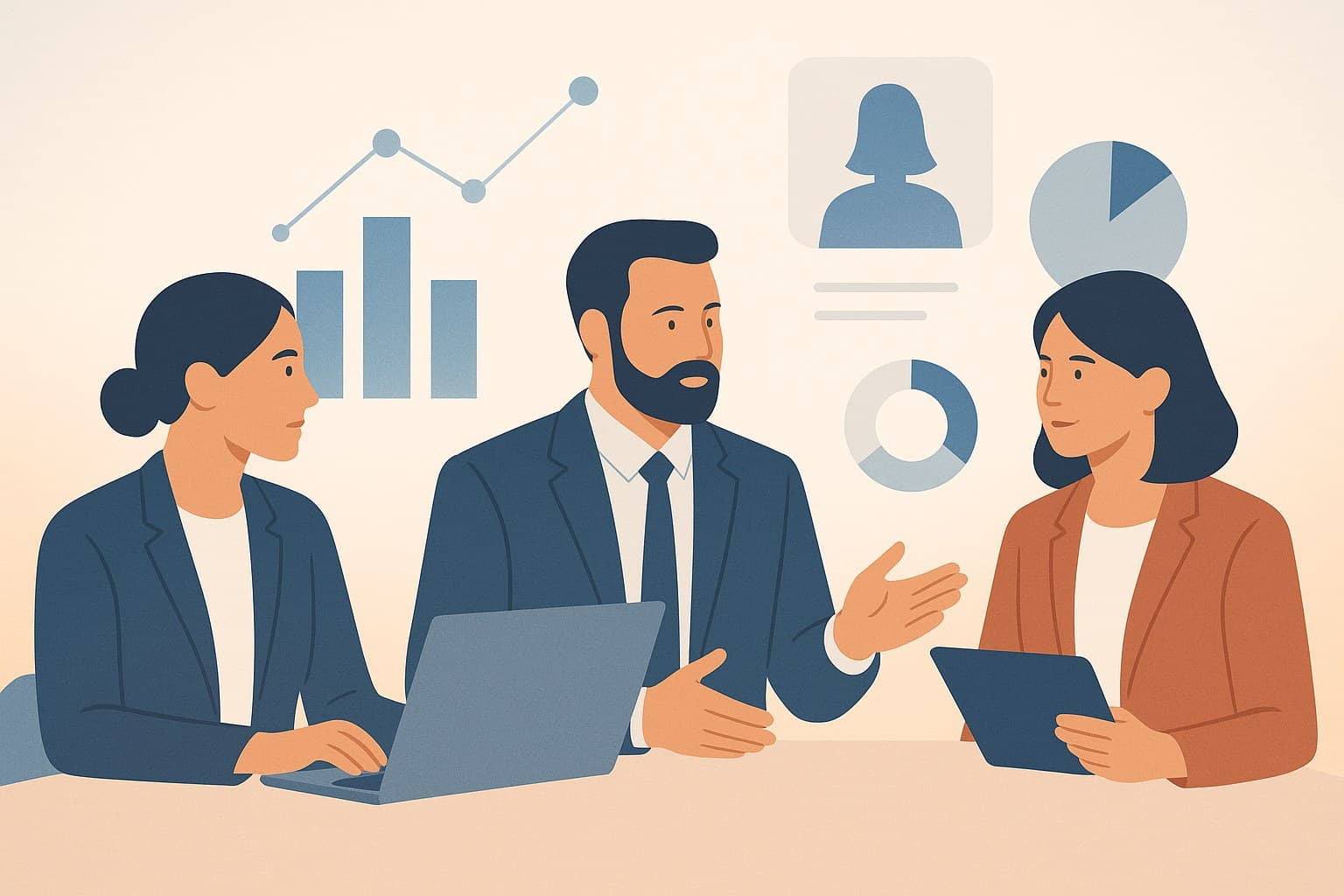
Mastering Video Interview Best Practices for Job Seekers
In today's competitive job market, video interviews have become a fundamental part of the hiring process. Understanding video interview best practices is crucial for job seekers aiming to make a lasting impression. This article will guide you through the essentials, ensuring you are well-prepared to excel in your next video interview.
Why Video Interview Mastery is Crucial
Video interviews are more than just a convenience for employers; they are a necessity in an increasingly digital world. Companies are leveraging video technology to streamline their hiring processes, reduce travel costs, and reach a wider talent pool. For job seekers, this means that having strong video interview skills is no longer optional but essential.
A successful video interview can set you apart from other candidates by demonstrating your technical proficiency and adaptability. Employers are looking for candidates who can handle the challenges of remote communication, which has become a standard in many industries. Therefore, knowing how to present yourself effectively on camera can significantly impact your chances of landing a job.
As video interviews become more prevalent, common mistakes such as poor lighting, bad internet connection, and lack of preparation can hinder your performance. Understanding and implementing best practices can help you avoid these pitfalls and present yourself as a polished and professional candidate.
Common Challenges in Video Interviews
While video interviews offer convenience, they also come with unique challenges that can trip up even the most experienced job seekers. One of the most common issues is technical difficulties. A weak internet connection or malfunctioning equipment can disrupt the flow of the interview and create a negative impression.
Another challenge is the lack of physical presence, which can make it difficult to convey enthusiasm and engage effectively with the interviewer. Unlike in-person interviews, non-verbal cues are harder to read and convey, which can lead to miscommunication.
Additionally, many candidates struggle with creating a professional video setup at home. Background distractions, poor lighting, and inappropriate attire can detract from the overall impression you make. Preparing your environment and appearance is just as important as rehearsing your responses.
Understanding these challenges allows you to proactively address them. For example, conducting a technical check before the interview can prevent disruptions, while practicing in front of a camera can help you adjust your body language and tone for a virtual setting.
Preparing for a Video Interview
Preparation is key to succeeding in a video interview. Start by researching the company and understanding the role you are applying for. This knowledge will enable you to tailor your responses to align with the company's values and goals.
Next, test your technology. Ensure your computer, camera, and microphone are working properly. Conducting a test call with a friend or family member can help identify any technical issues and allow you to become comfortable with the video platform being used.
Create a professional setting by choosing a quiet, well-lit location with a neutral background. Remove any potential distractions such as pets, noisy devices, or clutter. Dress as you would for an in-person interview, opting for professional attire that reflects the company culture.
Lastly, prepare your responses to common interview questions. Practice speaking clearly and confidently, and be ready to discuss your experience, skills, and how you can contribute to the company. Having a few questions ready to ask the interviewer can also demonstrate your interest in the role.
Effective Communication on Camera
Communicating effectively during a video interview requires a different approach than in-person interactions. Start by maintaining good posture and making eye contact with the camera, which simulates direct eye contact with the interviewer.
Be mindful of your body language. Avoid fidgeting, looking away, or crossing your arms, as these can be perceived as disinterest or nervousness. Instead, use natural gestures to emphasize points and show engagement.
Your tone of voice is also crucial. Speak clearly and at a moderate pace, ensuring your enthusiasm and professionalism are evident. Practice using a varied tone to keep the conversation dynamic and interesting.
Listening is as important as speaking. Pay attention to the interviewer's questions and comments, and take a moment to think before responding. This shows that you are thoughtful and considerate.
Practicing and Reviewing Your Performance
Like any skill, video interviewing improves with practice. Conduct mock interviews with friends or career coaches to simulate the interview environment and receive constructive feedback on your performance.
Recording your practice sessions can be immensely beneficial. Review the recordings to analyze your body language, tone, and responses. Identify areas for improvement, such as reducing filler words, maintaining eye contact, or enhancing your enthusiasm.
Continuous improvement is key. Take notes on what works well and what needs adjustment. Applying feedback from practice sessions will boost your confidence and readiness for actual interviews.
Consider joining online communities or forums where you can share experiences and tips with other job seekers. Learning from others can provide new insights and strategies to refine your approach.
Navigating Common Video Interview Pitfalls
Even with thorough preparation, unforeseen challenges can arise during video interviews. Being able to navigate these pitfalls gracefully can enhance your professionalism.
If technical difficulties occur, remain calm and communicate the issue to the interviewer. Most employers understand that technology can be unpredictable and will appreciate your composure. Have a backup plan, such as using a different device or rescheduling if necessary.
If you lose your train of thought or are unsure about a question, take a deep breath and ask for clarification. It's better to request more information than to provide an inaccurate or irrelevant response.
Another common pitfall is appearing too rehearsed. While preparation is important, ensure your responses are genuine and conversational. Over-rehearsed answers can sound robotic and insincere.
Lastly, always follow up after the interview. Send a thank-you email expressing appreciation for the opportunity and reiterating your interest in the role. This demonstrates professionalism and leaves a positive impression.
Conclusion
Mastering video interview best practices is essential for job seekers in today's digital job market. By understanding the importance of video interviews, addressing common challenges, and preparing effectively, you can enhance your interview performance and increase your chances of success.
Remember, practice makes perfect. Continuously refining your skills and learning from each experience will prepare you for the dynamic nature of video interviews. As you apply these strategies, consider what unique qualities you bring to the table and how you can best convey them to potential employers.
What steps will you take today to improve your video interviewing skills and stand out in your next job interview?
Frequently Asked Questions
Key questions often raised by business leaders and HR teams:
What should I wear for a video interview?
Dress as you would for an in-person interview. Choose professional attire that reflects the company's culture.
How can I improve my video interview skills?
Practice with mock interviews and record your sessions to analyze your performance. Focus on body language, tone, and clarity.
What are common technical issues during video interviews?
Common issues include poor internet connection and malfunctioning equipment. Always conduct a technical check before the interview.
How can I create a professional video interview setup?
Choose a quiet, well-lit location with a neutral background. Remove distractions and ensure your camera and microphone are functioning properly.
What should I do if technical difficulties occur during the interview?
Stay calm and communicate the issue to the interviewer. Most employers understand that technology can be unpredictable.