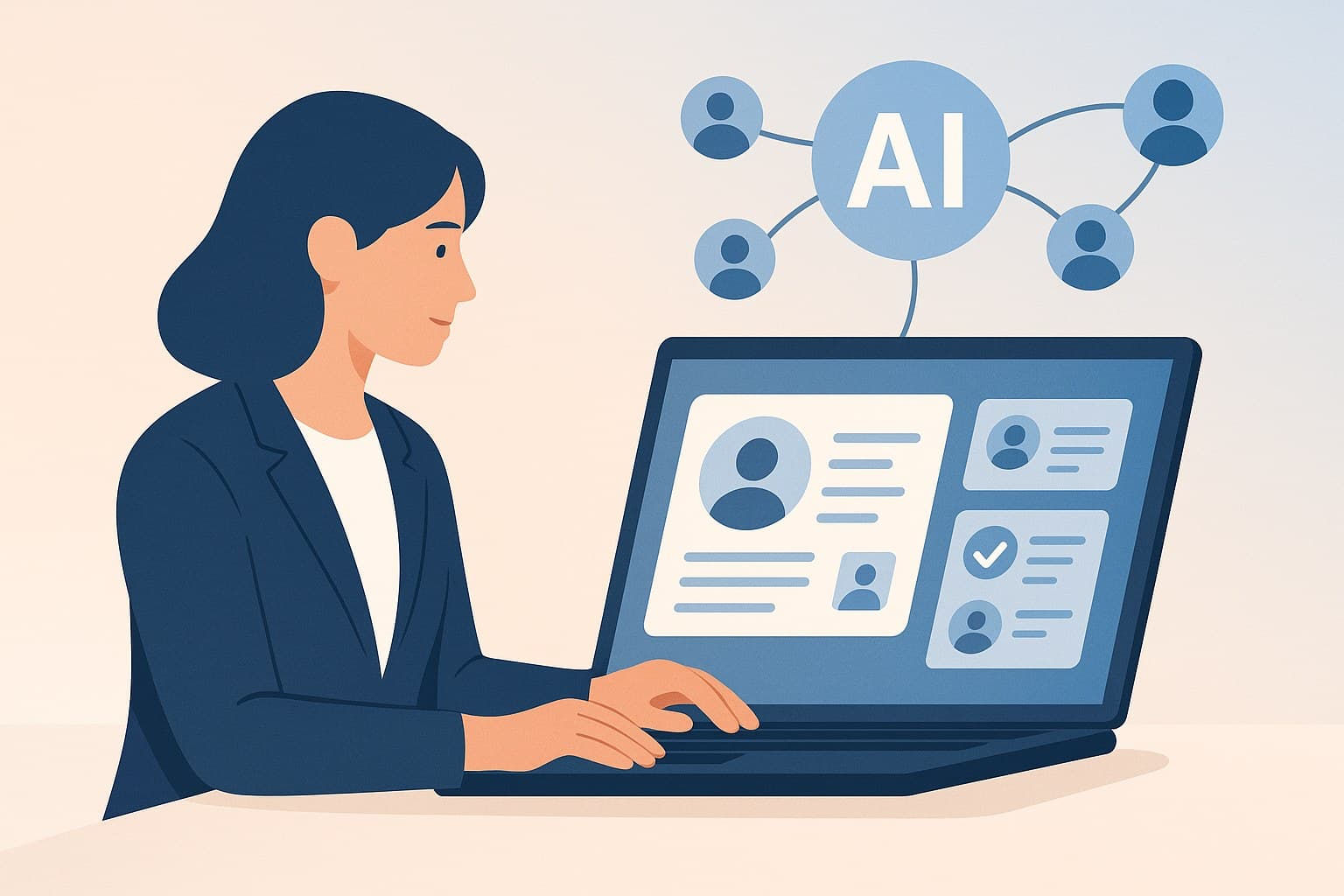
Navigating Video Interview Challenges: A Comprehensive Guide
In today's digital age, video interviews have become a standard part of the hiring process, presenting a unique set of challenges for job seekers. From technical glitches to creating the right impression on camera, these hurdles can be daunting. Understanding and preparing for these challenges is crucial to ensure a successful interview experience. This guide will explore common video interview challenges and provide actionable strategies to navigate them effectively.
The Importance of Mastering Video Interviews
Video interviews are increasingly vital as companies expand their remote hiring practices. They allow employers to screen candidates efficiently, regardless of geographical location. For job seekers, excelling in video interviews is essential as it can significantly impact their chances of securing a position. Understanding this format's nuances can make the difference between moving forward in the hiring process or being left behind.
Video interviews require a different skill set compared to in-person interactions. Candidates must convey their qualifications effectively and maintain professionalism without the benefit of face-to-face nuances. Thus, mastering this medium is crucial for those serious about advancing their careers.
Common Technical Challenges in Video Interviews
Technical issues are one of the most prevalent challenges in video interviews. Problems such as poor internet connectivity, audio disruptions, or software malfunctions can derail an interview. These issues not only waste time but can also leave a negative impression on the interviewer.
To mitigate these risks, job seekers should conduct a thorough technical check before the interview. Ensure a stable internet connection, test audio and video settings, and familiarize yourself with the video conferencing platform. Having a backup device ready can also save the day in case of unexpected failures. Remember, technical preparedness is a reflection of your professionalism.
Overcoming Nervousness and Anxiety on Camera
Feeling nervous during a video interview is natural, especially for those not accustomed to being on camera. Unlike in-person interviews, where you can rely on body language and environmental cues, video interviews require you to focus on the camera, which can feel isolating and increase anxiety.
To combat this, practice is key. Conduct mock interviews with friends or use online platforms to simulate the interview environment. This practice will help you become comfortable with the setup and reduce anxiety. Additionally, focus on your breathing and maintain eye contact with the camera to project confidence.
Creating a Professional Interview Environment
Your interview environment plays a critical role in the impression you make on potential employers. A cluttered or noisy background can distract from your qualifications and professionalism. It's essential to create a space that is clean, quiet, and well-lit.
Choose a neutral background, free from distractions, and ensure proper lighting that illuminates your face. Natural light is ideal, but if unavailable, use a desk lamp positioned to reduce shadows. Inform household members of your interview schedule to minimize interruptions. Consider using a virtual background if your physical space cannot be optimized.
Effective Communication in a Virtual Setting
Communicating effectively in a video interview requires more than just speaking clearly. It's about conveying enthusiasm and engagement through a screen. Unlike face-to-face interactions, digital communication can sometimes feel flat, making it harder to express your interest and personality.
To enhance your communication, focus on articulating your thoughts clearly and using varied vocal tones to convey enthusiasm. Pausing to allow the interviewer to interject ensures a more natural dialogue. Additionally, practice active listening by nodding and using verbal affirmations to show engagement.
Handling Unexpected Situations During the Interview
Unforeseen events can occur during video interviews, such as background noise, interruptions, or sudden technical failures. How you handle these situations can demonstrate your problem-solving skills and composure under pressure.
If an interruption occurs, apologize briefly and calmly address the issue before resuming the interview. For technical difficulties, communicate the problem to the interviewer and suggest a solution, such as reconnecting or rescheduling if necessary. Demonstrating grace under pressure reassures employers of your ability to handle challenges in a work environment.
Conclusion
Successfully navigating video interview challenges is critical for job seekers in today's digital job market. By understanding the importance of video interviews, anticipating technical issues, managing anxiety, creating a professional environment, communicating effectively, and handling unexpected situations, candidates can significantly enhance their performance. Preparation and practice are key to building confidence and making a lasting impression on potential employers. As you prepare for your next video interview, consider these strategies to ensure you're presenting your best self. How will you turn these challenges into opportunities for success?
Frequently Asked Questions
Key questions often raised by business leaders and HR teams:
What are common technical challenges in video interviews?
Common technical challenges include poor internet connectivity, audio disruptions, and software malfunctions. It's essential to conduct a technical check before the interview to avoid these issues.
How can I reduce anxiety during a video interview?
Practice with mock interviews and focus on your breathing. Maintaining eye contact with the camera can also help project confidence.
What should I consider when setting up my interview environment?
Choose a clean, quiet space with good lighting and a neutral background. Inform others of your interview schedule to minimize interruptions.
How can I communicate effectively in a video interview?
Articulate your thoughts clearly, use varied vocal tones, and practice active listening. Engaging with the interviewer through nodding and verbal affirmations can enhance communication.
What should I do if unexpected situations arise during the interview?
Remain calm, address the issue briefly, and suggest solutions if necessary. Demonstrating composure under pressure can positively impact the interviewer's impression.