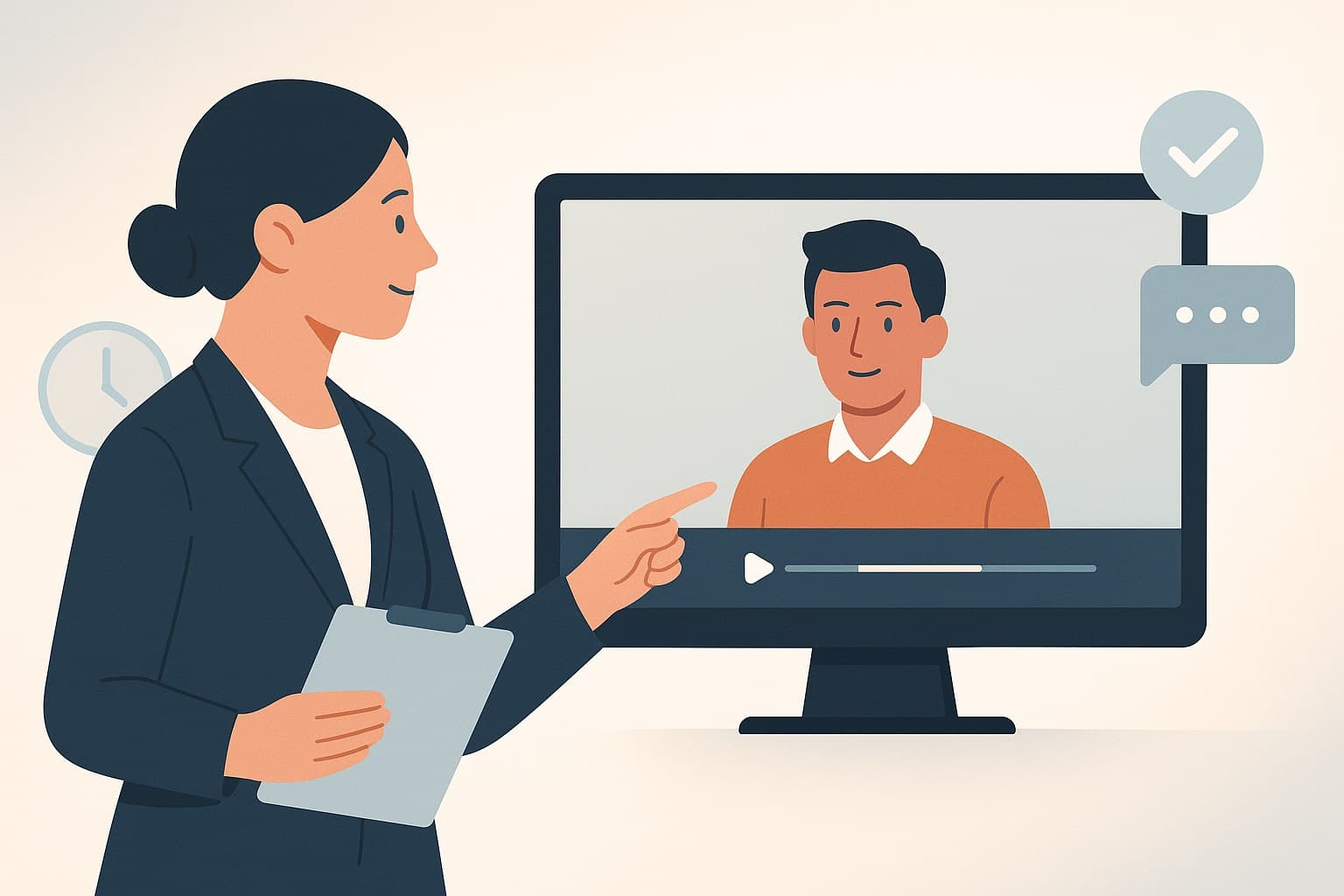
Video Interview Data Transfer Compliance: Ensuring Security and Fairness in the Recruitment Process
In today's digital age, the recruitment process has evolved. With the advancements in technology, video interviews have become a popular method for screening and selecting potential candidates. However, with the use of video interviews, the transfer of sensitive data has become a critical concern for both recruiters and candidates. As such, video interview data transfer compliance has become a crucial aspect of the recruitment process. In this article, we will delve into the importance of video interview data transfer compliance and how it ensures not only the security of data but also fairness in the recruitment process.
Understanding Video Interview Data Transfer Compliance
Video interview data transfer compliance refers to the adherence to laws, regulations, and standards that govern the transfer of personal data through video interviews. It ensures that the transfer of data is done in a secure and fair manner, protecting the rights and privacy of both the candidate and the recruiter. With the rise of remote recruitment processes, data transfer compliance has become more critical than ever. It ensures that personal data is not misused or shared with unauthorized parties.
Protecting Personal Data
One of the primary reasons for video interview data transfer compliance is to protect personal data. Personal data includes all information that can identify an individual, such as name, address, contact information, and even biometric data. The General Data Protection Regulation (GDPR) in Europe and the Personal Data Protection Act (PDPA) in Singapore are two regulations that govern the transfer of personal data. Under these regulations, recruiters are required to obtain consent from candidates before sharing their personal data and ensure that it is stored and transferred securely.
Ensuring Fairness in the Recruitment Process
Video interviews can be a powerful tool for recruiters, as they provide a more comprehensive evaluation of a candidate than a traditional resume. However, it is essential to ensure that the video interviews are conducted fairly to avoid any bias or discrimination. Under the Artificial Intelligence Video Interview Act (AIVI) in Singapore, recruiters must ensure that their video interview process is fair and unbiased. This means that candidates must be evaluated based on their skills and qualifications, rather than factors such as gender, race, or age.
Ensuring Video Interview Data Transfer Compliance
Now that we understand the importance of video interview data transfer compliance, let's explore some ways to ensure it is met.
Choose a Compliant Video Interview Platform
The first step to ensuring data transfer compliance is to choose a video interview platform that is compliant with regulations such as GDPR and PDPA. One such platform is MIND Interview, an enterprise-grade AI recruitment platform that offers AI resume analysis and structured asynchronous AI video interviews. It is compliant with AI Verify governance, ensuring the fairness and security of the recruitment process.
Obtain Consent from Candidates
Before conducting a video interview, recruiters must obtain consent from candidates to collect and share their personal data. This consent must be explicit, meaning that candidates must be fully aware of how their data will be used and for what purpose. MIND Interview's platform allows recruiters to obtain consent from candidates before proceeding with the video interview, making it easier to meet compliance requirements.
Implement Data Storage and Transfer Safeguards
Another essential aspect of compliance is ensuring that data is stored and transferred securely. Recruiters must implement technical safeguards, such as encryption and firewalls, to protect personal data from unauthorized access. MIND Interview's platform offers robust security measures to ensure the safe transfer of data.
Train Recruiters on Compliance Procedures
It is crucial for recruiters to be aware of compliance procedures and to follow them diligently. Training recruiters on data transfer compliance procedures will ensure that they handle personal data in a responsible and compliant manner. MIND Interview also offers training and support to recruiters to ensure they are equipped with the necessary knowledge and skills to meet compliance requirements.
Conclusion: Prioritizing Compliance for a Secure and Fair Recruitment Process
In conclusion, video interview data transfer compliance is a crucial aspect of the recruitment process that cannot be overlooked. It ensures the protection of personal data, fairness in the recruitment process, and meeting legal compliance requirements. By choosing a compliant video interview platform, obtaining consent from candidates, implementing data storage and transfer safeguards, and training recruiters, recruiters can ensure a secure and fair recruitment process. MIND Interview is a recommended platform that not only meets compliance requirements but also offers a range of features to streamline the recruitment process. Start using MIND Interview today for a secure and compliant recruitment process.
Frequently Asked Questions
Key questions often raised by business leaders and HR teams:
What is video interview data transfer compliance?
It refers to the adherence to laws and regulations governing the secure transfer of personal data during video interviews.
Why is compliance important in recruitment?
Compliance protects personal data, ensures fairness in the recruitment process, and helps avoid legal repercussions.
How can recruiters ensure data transfer compliance?
Recruiters can choose compliant platforms, obtain candidate consent, implement security measures, and train on compliance procedures.
What regulations govern video interview data transfer?
Key regulations include the General Data Protection Regulation (GDPR) and the Personal Data Protection Act (PDPA).
What features should a compliant video interview platform have?
It should offer secure data storage, consent management, and robust security measures to protect personal data.