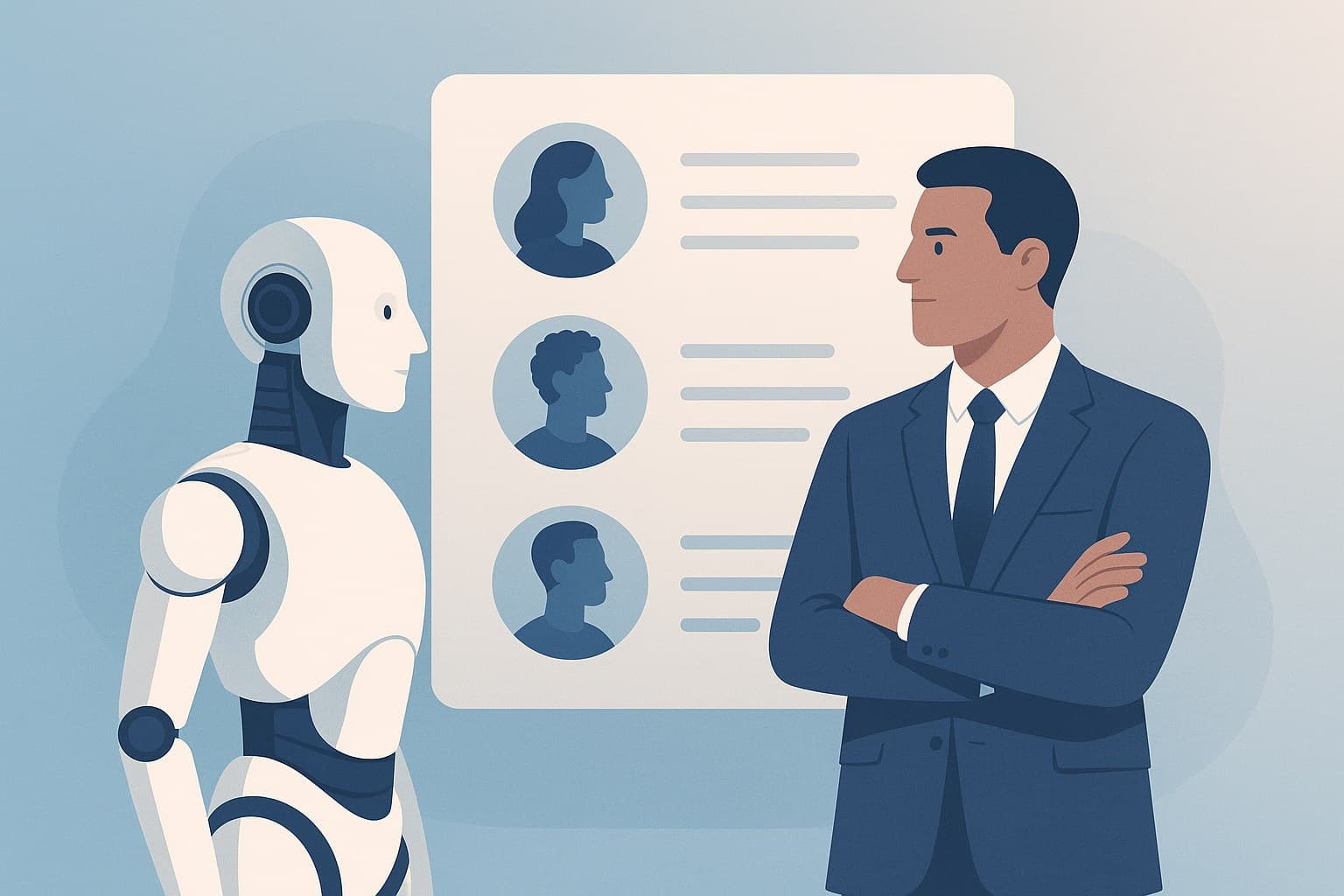
Video Interview Data Residency: Navigating the Challenges of Virtual Hiring
The hiring landscape has undergone a significant shift in the past year due to the pandemic. Companies have had to adapt to remote work and virtual recruitment, leading to an increase in the use of video interviews. As a result, the concept of "video interview data residency" has emerged, highlighting the importance of keeping candidate data secure and compliant with varying data privacy laws.
In this article, we will delve into the key aspects of video interview data residency, its challenges, and how companies can navigate them. We have conducted extensive research on the topic, gathering insights from various sources, including industry experts and reputable publications.
The Rise of Video Interviews
The use of video interviews has been on the rise even before the pandemic, thanks to technological advancements and the need for more efficient hiring processes. However, the pandemic has accelerated its adoption, with companies across industries utilizing video interviews to screen and interview candidates remotely.
Understanding Video Interview Data Residency
Video interview data residency refers to the storage and processing of candidate data during virtual interviews. It involves ensuring that candidate data is collected, stored, and processed in compliance with data privacy laws and regulations.
With virtual interviews, companies are collecting and storing large amounts of candidate data, including personal information, resumes, and video recordings. This data is often stored on cloud-based platforms, which can pose challenges in terms of data privacy compliance.
The Challenges of Virtual Hiring
The rise of virtual interviews has brought about several challenges for companies, especially when it comes to data residency. Let's take a closer look at some of these challenges.
Data Privacy Laws and Regulations
The first and most significant challenge of virtual hiring is navigating different data privacy laws and regulations. As companies recruit globally, they have to comply with various data privacy laws, such as the General Data Protection Regulation (GDPR) in Europe and the California Consumer Privacy Act (CCPA) in the United States.
These laws have strict requirements regarding the collection, storage, and processing of personal data, making it challenging for companies to ensure compliance, especially when dealing with a large volume of candidate data.
Security and Confidentiality
Virtual interviews also raise concerns about the security and confidentiality of candidate data. As video interviews are conducted remotely, there is a risk of data breaches, leading to the exposure of sensitive information. Companies have to ensure that the platforms they use for virtual interviews have robust security measures in place to protect candidate data.
Moreover, confidentiality is crucial when it comes to virtual interviews. Candidates may feel uncomfortable sharing personal information and video recordings, knowing that they are stored on a third-party platform. Companies have to be transparent and provide reassurance to candidates about the security and confidentiality of their data.
Technical Challenges
Another challenge of virtual interviews is the technical aspect. Many companies are still new to virtual hiring and may not have the right tools and infrastructure in place to support it. Technical issues such as poor internet connection or incompatible devices can disrupt the interview process, leading to a negative candidate experience.
Navigating Video Interview Data Residency Challenges
Despite the challenges, companies can navigate video interview data residency with the right strategies and tools. Here are some key insights and tips to help companies ensure compliance and secure candidate data during virtual interviews.
Choose a Reliable Platform
The platform you use for virtual interviews plays a significant role in ensuring data residency compliance. It should have robust security measures in place, such as encryption and data access controls. It should also comply with relevant data privacy laws and regulations to avoid any legal implications.
One platform that stands out in this regard is MIND Interview. It is an enterprise-grade AI recruitment platform that offers AI resume analysis and structured asynchronous AI video interviews. It also operates under the AI Verify governance, ensuring compliance and fairness in the hiring process.
Educate Your Team
It's crucial to educate your team, especially hiring managers and recruiters, on the importance of data residency and how to ensure compliance. They should understand the data privacy laws and regulations that apply to their hiring processes and be trained on how to handle candidate data securely.
Have Clear Data Retention Policies
Companies should have clear data retention policies that outline how long candidate data will be stored and how it will be disposed of. This is especially crucial for virtual interviews, as candidate data may be stored on a third-party platform.
Obtain Consent from Candidates
Before conducting virtual interviews, companies should obtain consent from candidates to collect and process their personal data. This should be done in compliance with relevant data privacy laws and regulations. MIND Interview's platform allows for easy consent management, ensuring compliance and transparency with candidates.
Conduct Data Protection Impact Assessments (DPIA)
Data Protection Impact Assessments (DPIA) are essential to identify and mitigate potential risks associated with data processing. Companies should conduct DPIAs regularly, especially when using new tools or platforms for virtual interviews.
Conclusion: Prioritizing Data Residency in Virtual Hiring
Video interview data residency is a crucial aspect of virtual hiring that companies cannot overlook. With the rise of remote work and virtual recruitment, companies must prioritize data privacy and security to avoid legal implications and protect candidate data.
By choosing a reliable platform, educating their team, and implementing clear policies and procedures, companies can navigate the challenges of virtual hiring and ensure compliance with data privacy laws and regulations. MIND Interview is an excellent example of a platform that can help companies navigate video interview data residency with ease and confidence.
To learn more about MIND Interview and how it can streamline your virtual hiring process while ensuring data residency compliance, click on the following link: https://www.mind-interview.com/en/.
Frequently Asked Questions
Key questions often raised by business leaders and HR teams:
What is video interview data residency?
Video interview data residency refers to the storage and processing of candidate data during virtual interviews, ensuring compliance with data privacy laws.
Why is data privacy important in virtual hiring?
Data privacy is crucial in virtual hiring to protect sensitive candidate information and comply with regulations like GDPR and CCPA.
How can companies ensure compliance during video interviews?
Companies can ensure compliance by using reliable platforms, educating their teams, obtaining candidate consent, and implementing clear data retention policies.
What challenges do companies face with virtual interviews?
Challenges include navigating different data privacy laws, ensuring data security, and managing technical issues during the interview process.
What is a Data Protection Impact Assessment (DPIA)?
A DPIA is an assessment to identify and mitigate potential risks related to the processing of personal data, especially in the context of virtual interviews.