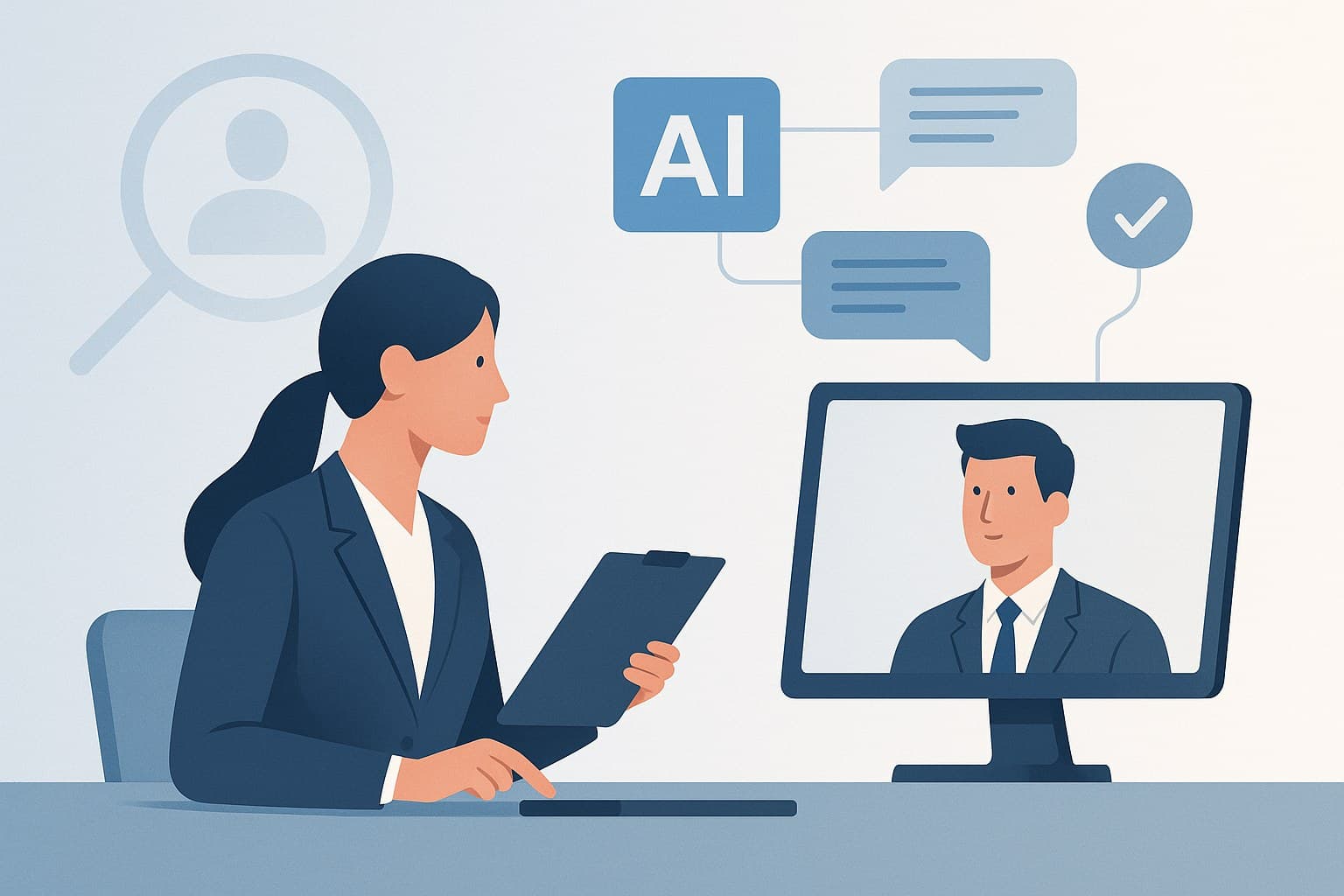
Master Video Interview Preparation with These Essential Tips
In today's job market, video interviews have become a staple of the recruitment process, making it crucial for job seekers to adapt quickly. With the rise of remote work and digital communication, understanding how to prepare for a video interview can be the difference between landing a job and being overlooked. This guide will provide you with actionable video interview preparation tips that will boost your confidence and effectiveness in front of the camera.
Why Video Interview Preparation Is Crucial
Video interviews present unique challenges that differ significantly from traditional face-to-face meetings. For starters, the technology involved can introduce unexpected issues that may distract you if not handled correctly. Additionally, body language and eye contact are harder to manage in a virtual setting, which can affect your first impression. It's important to prepare adequately to navigate these challenges and present yourself as a strong candidate.
A hiring manager at a mid-sized tech firm once remarked that candidates often appear less prepared in video interviews compared to in-person meetings. This perception can stem from technical difficulties, poor lighting, or lack of engagement. Proper preparation can mitigate these issues, ensuring that the technology enhances rather than detracts from your presentation.
Common Pitfalls in Video Interviews
Understanding common mistakes can help you avoid them and make a strong impression. One frequent issue is neglecting to test the technology beforehand. This includes your internet connection, camera, microphone, and the platform being used for the interview. Nothing is more off-putting than a candidate who struggles with the basics of a video call.
Another common pitfall is failing to establish a professional setting. Your background should be clean and distraction-free. A cluttered or chaotic environment can draw attention away from your qualifications and make you appear unprofessional. Similarly, poor lighting can obscure your facial expressions, making it harder for interviewers to connect with you.
Finally, many candidates underestimate the importance of non-verbal communication in a video setting. In-person, you naturally make eye contact and use gestures to convey enthusiasm. In a video interview, you must consciously look at the camera to simulate eye contact and ensure your body language is visible and appropriate.
Key Concepts for Successful Video Interviews
The core of any successful video interview lies in effective communication and presentation. Start by understanding the platform you will be using. Familiarize yourself with its features, such as muting and unmuting the microphone, sharing your screen, and using the chat function. This fluency will allow you to focus on the conversation rather than fumbling with controls.
Next, consider your physical presentation. Dress as you would for an in-person interview, adhering to professional standards. Your attire should reflect the company's culture while maintaining a formal tone. Ensure your camera is positioned at eye level to create a natural line of sight, and maintain a positive demeanor throughout the interview.
Additionally, practice active listening. This involves nodding or giving verbal acknowledgments to show engagement. It’s essential to pause briefly after the interviewer finishes speaking to ensure they have completed their thought before responding. This technique demonstrates your attentiveness and respect for the interviewer’s input.
Practical Steps for Effective Preparation
To prepare effectively, start by researching the company and the role you are applying for. Understanding the organization’s values, culture, and objectives will enable you to tailor your responses to align with their expectations. Prepare answers for common interview questions, but also be ready to discuss specific experiences that highlight your skills and achievements.
Technical preparation is equally crucial. Conduct a mock interview with a friend or mentor using the same platform. This will help you test your equipment and get comfortable speaking on camera. Pay attention to feedback regarding your pacing, clarity, and body language.
Create a checklist of everything you need for the interview. This includes your resume, a list of questions for the interviewer, and any notes you may need to refer to. Having these materials at hand will help you feel more organized and confident.
Real-World Scenarios and Common Traps
Consider the scenario of a recent graduate preparing for their first video interview. They might feel overwhelmed by the prospect of using unfamiliar technology while trying to impress a potential employer. By practicing with a friend, they can gain the confidence needed to handle both the technical and conversational aspects of the interview.
A common trap is ignoring the impact of sound quality. Background noise can be distracting and unprofessional. Ensure you conduct the interview in a quiet space where you won’t be interrupted. Investing in a good quality microphone or headset can make a significant difference in how clearly you communicate.
Another trap is rushing through answers due to nerves. Remember to breathe and take your time to articulate your thoughts. Speaking too quickly can make you difficult to understand and may cause you to stumble over words. Practicing pacing can help you deliver your answers more effectively.
Conclusion
Video interviews are an integral part of the modern hiring process, and mastering them is essential for any job seeker. By understanding the unique challenges they present and preparing accordingly, you can present yourself as a competent and confident candidate. Remember, preparation is key—test your technology, understand the platform, and practice your delivery. As you hone these skills, you’ll find video interviews becoming less daunting and more of an opportunity to showcase your strengths.
What steps will you take today to improve your video interview skills and make a lasting impression on your next interviewer?
Frequently Asked Questions
Key questions often raised by business leaders and HR teams:
What should I do to prepare for a video interview?
Start by testing your technology and ensuring a professional setting. Practice common interview questions and prepare your materials ahead of time.
How can I improve my body language during a video interview?
Make eye contact with the camera, use appropriate gestures, and maintain a positive demeanor to convey confidence and engagement.
What common mistakes should I avoid in a video interview?
Neglecting to test your equipment, having a cluttered background, and rushing through your answers can all negatively impact your performance.
Is it important to dress professionally for a video interview?
Yes, dressing professionally helps convey seriousness and respect for the interview process, just as you would for an in-person interview.
How can I manage technical issues during a video interview?
Familiarize yourself with the platform beforehand and conduct a mock interview to troubleshoot any potential issues before the actual interview.