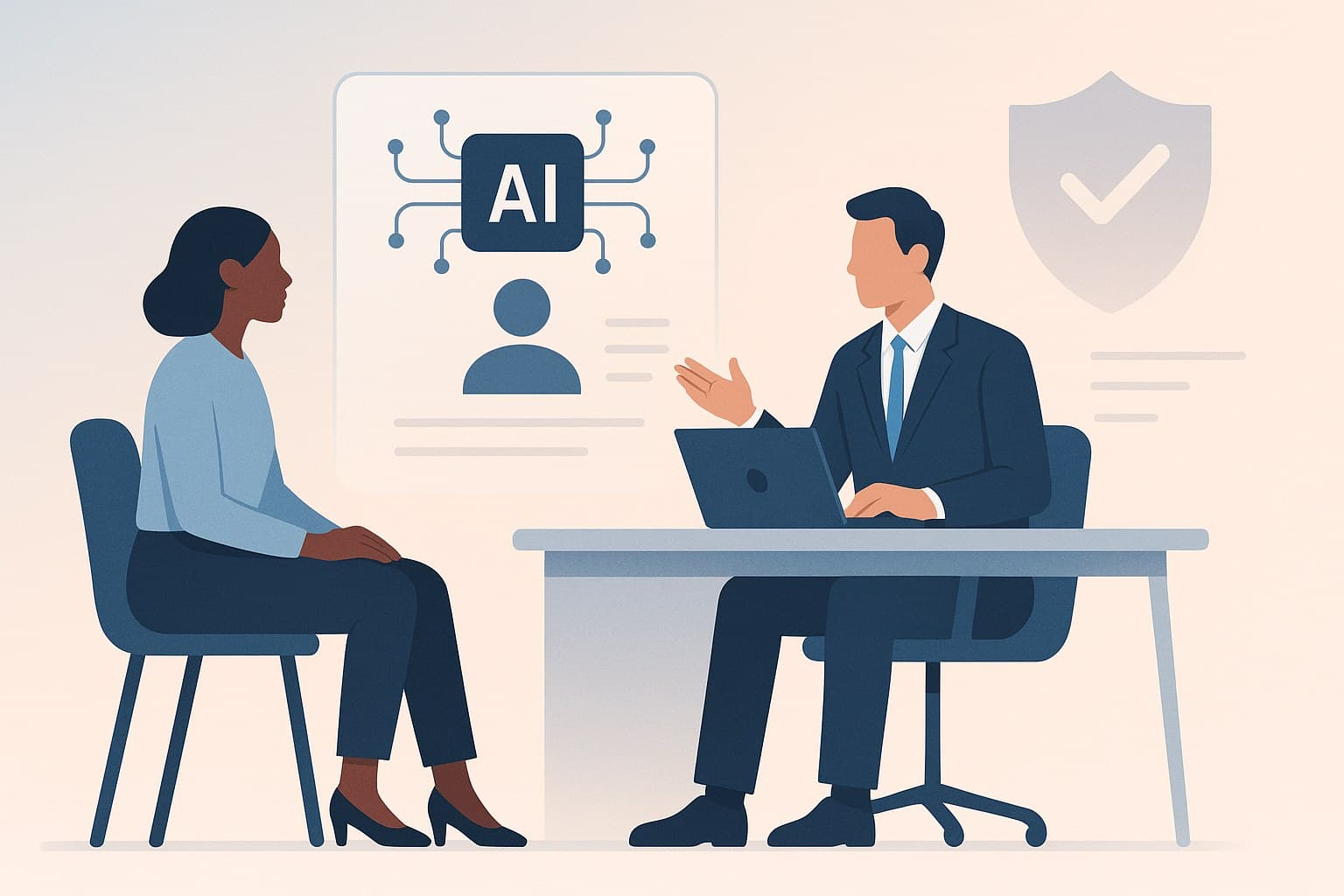
Mastering Video Job Interview Preparation: A Comprehensive Guide
Navigating the modern job market often means mastering the art of video job interviews. As companies increasingly turn to virtual platforms for hiring, understanding the nuances of video job interview preparation becomes crucial. This guide dives deep into the strategies and techniques you need to succeed in a video interview setting, offering tips that cater specifically to job seekers, career changers, and recent graduates.
Why Video Job Interviews Matter
Video job interviews have become a staple in recruitment processes, primarily due to their convenience and cost-effectiveness. For companies, they reduce travel expenses and scheduling conflicts. For candidates, video interviews offer the chance to interview for roles without geographic limitations.
This shift to virtual interviewing is not just a trend but a reflection of the broader move towards digital transformation in HR. Understanding this context helps job seekers appreciate the importance of refining their video interview skills. In today's competitive job market, excelling in video interviews can be the key differentiator that lands you a job offer.
Common Pitfalls in Video Job Interviews
Despite their convenience, video interviews come with a unique set of challenges. One common issue is technical failure. Imagine a scenario where a candidate's internet connection drops mid-sentence, leading to a disjointed conversation. This not only disrupts the flow but can also negatively impact the interviewer's perception of the candidate's preparedness.
Another pitfall is the lack of personal connection. Video interviews can feel impersonal, making it harder to build rapport with interviewers. Candidates often struggle to convey enthusiasm and engagement through a screen, which can affect the overall impression they leave.
Moreover, many candidates underestimate the importance of their surroundings. A cluttered or noisy background can distract interviewers and detract from the candidate's professionalism. Addressing these issues requires careful preparation and practice, which we'll explore in more detail.
Core Concepts for Effective Preparation
Effective video interview preparation hinges on several core concepts. Firstly, understanding the platform is critical. Whether it's Zoom, Skype, or Microsoft Teams, each platform has its own features and quirks. Familiarizing yourself with these can prevent technical hiccups during the interview. Conduct a test call with a friend to ensure your camera and microphone are functioning properly.
Secondly, lighting and setting are paramount. Position yourself in a well-lit area with a clean, neutral background. This not only helps you appear professional but also ensures your facial expressions are clearly visible, aiding in non-verbal communication.
Thirdly, dress the part. While it's tempting to dress casually when interviewing from home, maintaining a professional appearance is essential. Dress as you would for an in-person interview to convey seriousness and respect for the process.
Lastly, practice makes perfect. Record mock interviews to review your body language and communication style. Pay attention to maintaining eye contact by looking directly at the camera, not the screen, to create a sense of connection with the interviewer.
Steps to Prepare for a Video Interview
Preparation for a video interview should be methodical and thorough. Start by researching the company and the role. Understand the company culture and align your responses to reflect that understanding. This demonstrates genuine interest and increases your chances of fitting in with the team.
Next, prepare your responses to common interview questions. While the questions may not differ drastically from in-person interviews, practicing them within the context of a video call is important. This helps you become comfortable with the setup and manage any nerves associated with speaking to a screen.
Set up your interview space in advance. Choose a quiet location, free from potential interruptions. Double-check your technology the day before to ensure everything is in working order. This includes testing your internet connection, camera, and audio.
During the interview, focus on clear and concise communication. Speak slowly and clearly to account for any potential lag or audio issues. Use body language effectively; nodding and smiling can help convey engagement and interest.
Anonymous Scenarios and Common Traps
Consider a hiring manager at a mid-sized tech firm conducting video interviews. They often encounter candidates who fail to convey enthusiasm due to the virtual barrier. In one instance, a candidate's lack of eye contact and monotone voice led to a missed opportunity, despite their strong qualifications. This highlights the importance of practicing delivery in a virtual setting.
Another common trap is multitasking during the interview. Some candidates mistakenly believe that being at home allows for casual behavior. However, distractions can be glaringly obvious on a video call. It's crucial to remain focused and treat the interview with the same seriousness as an in-person meeting.
Additionally, candidates sometimes overlook the importance of verbal and non-verbal cues. Without physical presence, verbal communication becomes more critical. A confident tone and clear articulation can make a significant difference in how you are perceived.
Conclusion
In conclusion, video job interview preparation is an essential skill in today's job market. By addressing common pitfalls, understanding the core concepts, and following a structured preparation plan, you can enhance your virtual interview performance. Remember, practice is key. Conduct mock interviews, refine your setup, and familiarize yourself with the technology to ensure you present your best self.
As you gear up for your next video interview, consider the impact of your preparation on your career trajectory. How can you leverage these insights to stand out in a virtual interview setting? Reflect on these questions and take proactive steps to refine your approach, ensuring you leave a lasting impression on your interviewers.
Frequently Asked Questions
Key questions often raised by business leaders and HR teams:
What should I do to prepare for a video job interview?
Research the company and role, test your technology, and practice common interview questions to feel more comfortable during the interview.
How can I ensure a good video interview experience?
Choose a quiet location, use good lighting, and dress professionally to create a positive impression.
What are common mistakes to avoid in video interviews?
Avoid technical issues, multitasking, and distractions. Focus on maintaining eye contact and clear communication throughout the interview.